The mountain in brief
Kilimanjaro is the highest mountain in Africa and the tallest free-standing mountain in the world, rising to 5,895 m at Uhuru Peak. You don’t need ropes or technical experience, but you do need fitness, good preparation and time to acclimatise. Climbs pass through five climate zones, from farmland and rainforest to moorland, alpine desert and a glaciated summit.
Success depends largely on the number of days you spend on the mountain. The more slowly you go, the better your body adapts.
The main routes
| Route | Typical days | Style | Notes |
|---|---|---|---|
| Lemosho | 7 to 8 | Camping | Scenic, quiet start, good acclimatisation |
| Machame | 6 to 7 | Camping | The most popular, and busy; steep in places |
| Marangu | 5 to 6 | Huts | Only route with huts; low-gradient but short acclimatisation on five days |
| Rongai | 6 to 7 | Camping | Approaches from the north, drier, quieter |
| Northern Circuit | 9 | Camping | Longest, best acclimatisation, quiet |
| Umbwe | 5 to 6 | Camping | Steep and hard, only for experienced trekkers |
For a first climb, Lemosho or Northern Circuit give the best odds. Machame is a good choice if you add a day. Rongai is a drier alternative. Avoid short itineraries if you can.
When to climb
The best times are the two dry seasons: January to mid-March and June to October. January and February can be warm, with clearer skies at the summit, while June to October offers stable weather with more climbers on the mountain. The long rains from April to May bring cloud and wet trails, and November has the short rains. Nights at the summit are below freezing at any time of year.
Altitude sickness
Altitude is the main challenge. Symptoms include headaches, nausea, dizziness and poor sleep. Severe cases can be dangerous, including fluid on the lung or brain, so respect guides’ decisions. Ways to improve your odds:
- Choose a longer route.
- Walk slowly (“pole pole”, Swahili for slowly).
- Drink plenty of water.
- Ask your doctor about altitude medication, which some people take.
- Tell your guide about symptoms early.
Read our health guide for more.
Fitness and preparation
You don’t need to be an athlete, but train for several months before you go. Hike hills with a loaded pack, walk long distances back to back and practise in the boots you’ll wear. Cardio and leg strength help, but the biggest factor is pacing.
Fees and cost
Park fees are a substantial part of the price. As of September 2026, the daily conservation fee is about US$82.60 per person including VAT, plus camping or hut fees and a rescue fee, and they add up on a longer route. Guides, porters and cooks, food, transfers and equipment account for the rest. Very cheap offers often mean low porter pay, poor food or unsafe practices.
Choosing an operator
Look for an operator that pays porters fairly, provides quality equipment, limits porter loads, carries emergency oxygen and a pulse oximeter, and uses experienced guides. A member of the Kilimanjaro Porters Assistance Project (KPAP) partner programme is a good sign. Ask about summit success rates and how they handle emergencies. See our operator checklist.
Tipping
Tips make up a large part of the crew’s income. Reputable operators publish a tipping guide. Follow theirs, and see our tipping guide for general advice.
Adding a safari or beach
Kilimanjaro combines well with a safari and Zanzibar. Most climbers start in Arusha, and it’s easy to add the northern parks. Do the climb first and the safari after, when your legs need a break. See our Serengeti and Zanzibar itinerary for a safari-and-beach combination that could follow a climb.
Frequently asked questions
How hard is it to climb Kilimanjaro?
It's a non-technical trek, so you don't need climbing skills, but it's demanding because of altitude. The summit is 5,895 m, and altitude sickness is the main reason people fail. Longer routes with better acclimatisation have higher success rates.
What is the best route?
For most people, Lemosho or Machame over seven or eight days, because the extra days improve acclimatisation and the scenery is excellent. Marangu is the only route with huts but has a lower success rate on the standard five days.
When is the best time to climb?
January to mid-March and June to October are the driest and clearest. April and May are the long rains, and November is wet. The mountain can be climbed all year, but conditions and crowds vary.
How much does it cost?
Costs depend on the route, group size and operator. As a rough planning range, a reputable seven- or eight-day climb runs from about US$2,500 to US$5,000 or more per person, with park fees a substantial part. Very cheap offers often cut corners on porter wages and safety.
Trips built around this
Serengeti and Zanzibar: 10-Day Safari and Beach Trip
Ten days pairing Tarangire, Ngorongoro and the Serengeti with a flight to Zanzibar, a night in Stone Town and two on the beach. A classic Tanzania combination.
Parks mentioned in this guide
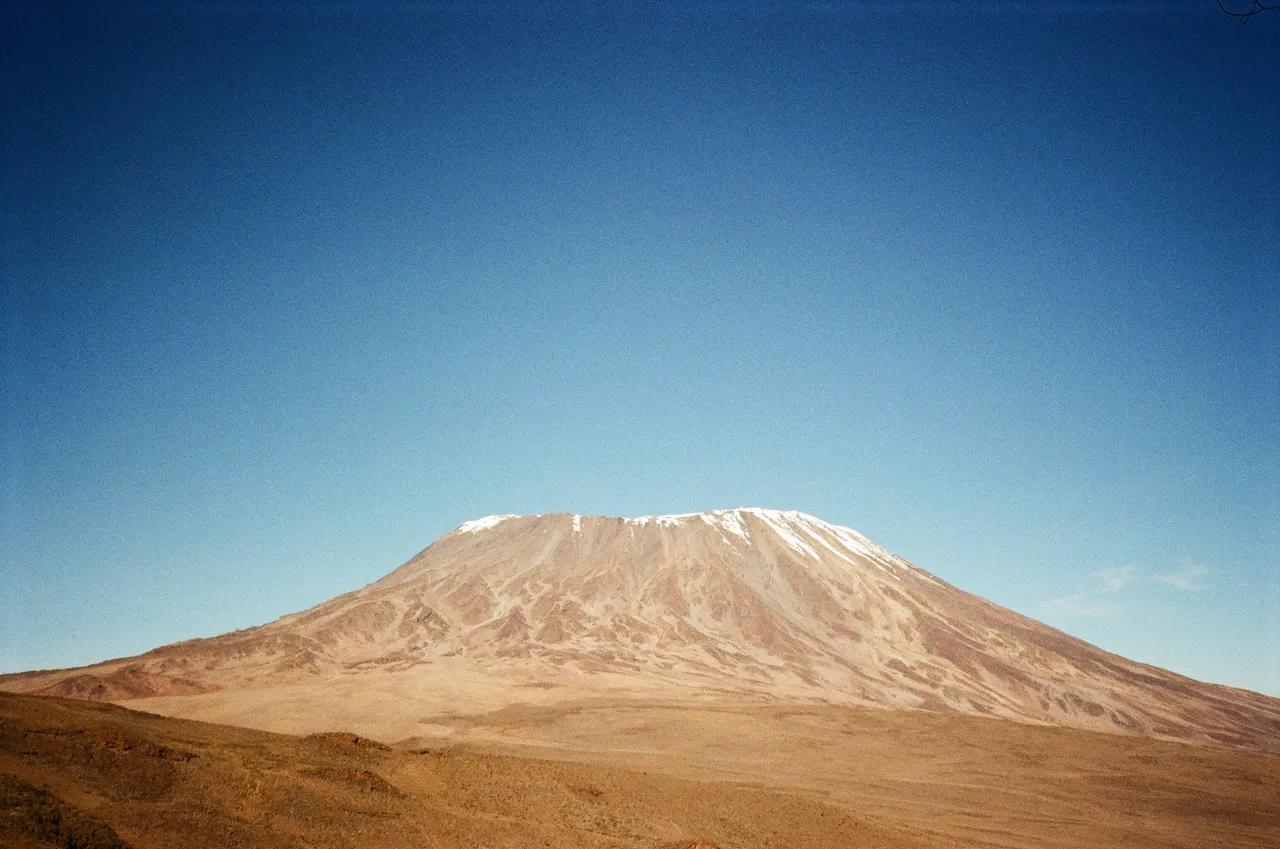
Mount Kilimanjaro National Park
Africa's highest mountain: a non-technical climb through five climate zones that still defeats a lot of people.
Keep reading
Tipping on Safari in East Africa: Who, When and How Much
How much to tip your safari guide, camp staff, gorilla trackers, porters and Kilimanjaro crew, with typical amounts in US dollars and how to hand them over.
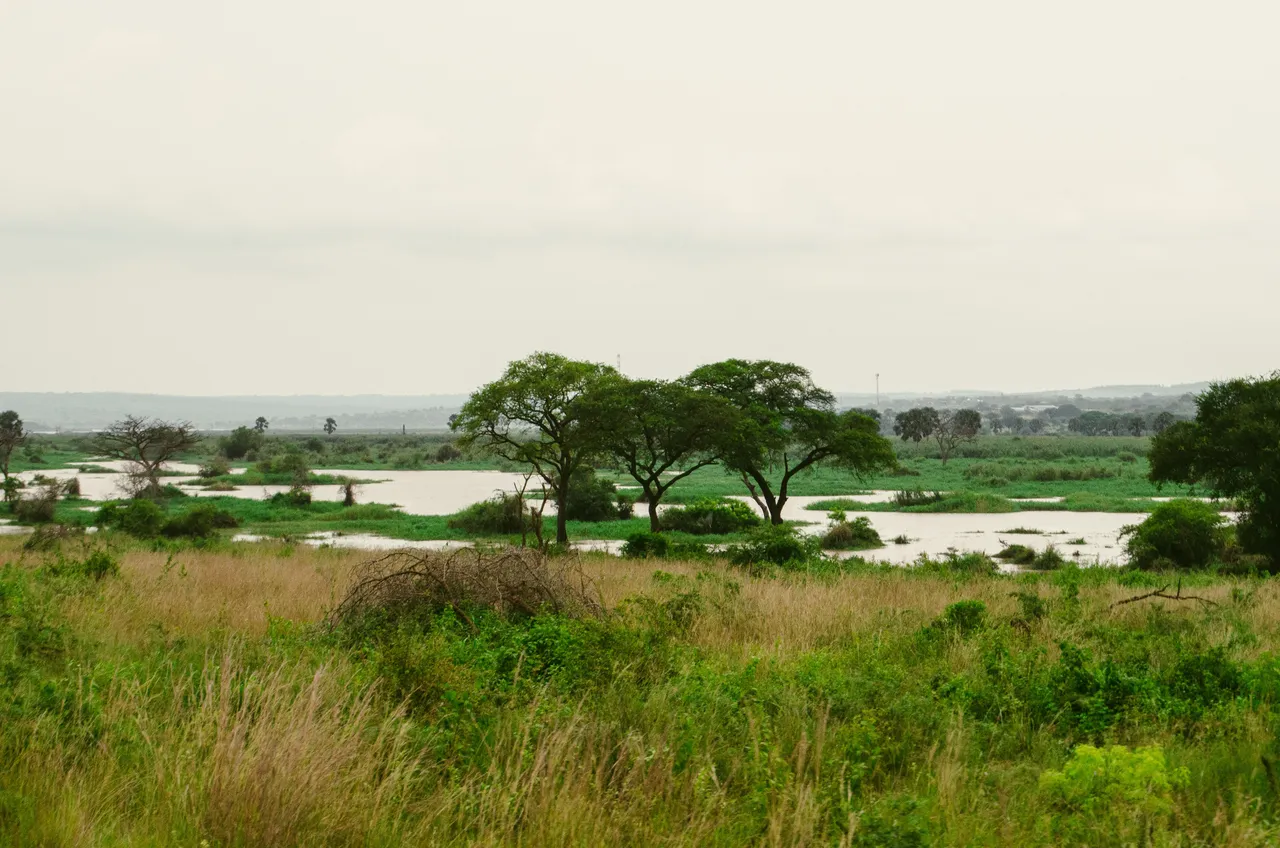
Health for East Africa Travel: Malaria, Vaccines and Staying Well
What to know about malaria, yellow fever, vaccinations, altitude and water before a safari, and why medical evacuation cover matters. Not medical advice.
How to Choose a Safari Operator: A Checklist That Works
How to pick a trustworthy East Africa safari operator: licences, questions to ask, red flags, payment safety and how to compare quotes fairly.
Last updated 20 September 2026. Rules, prices and schedules change. We recheck the facts in this guide regularly, but confirm anything that affects your money or your entry to a country with the official source.