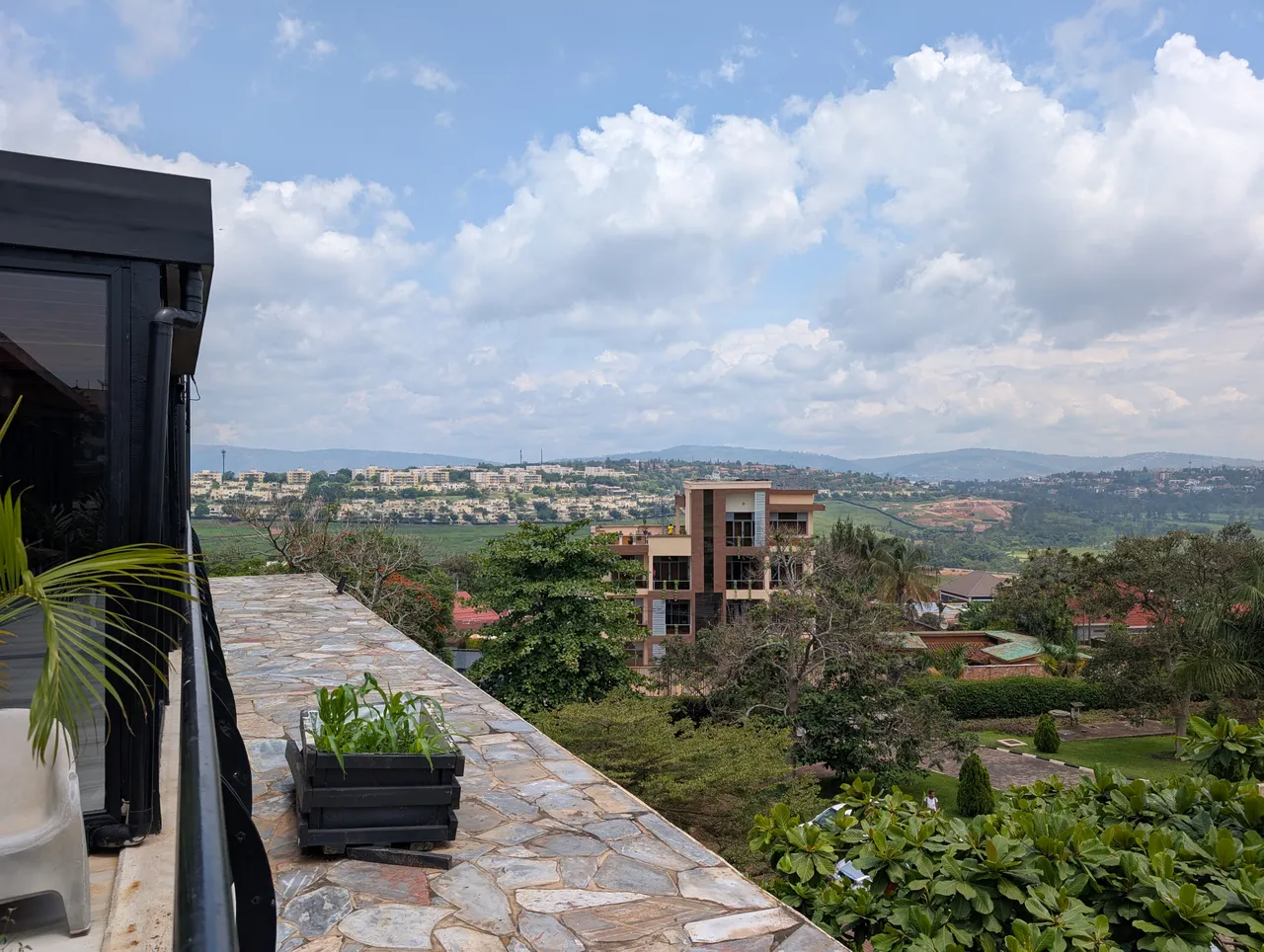
 Photo: supplied by East Africa Trails
 Kigali at a glance
- Airport
- Kigali International (KGL), about 10 km from the centre
- Altitude
- About 1,570 m; mild all year
- Best months
- June to September and December to February
- Time needed
- One to two nights before or after a trek
- Getting around
- Moto-taxis, Bolt and Yego, hotel cars
- Currency
- Rwandan franc (RWF)
A calm capital
Kigali is spread across a series of green hills, with red-roofed houses, busy markets and a downtown that feels more like a large town than a capital city. It’s tidy. Streets are swept, plastic bags are banned and traffic is orderly by regional standards. It’s also a good place to spend time thinking about Rwanda’s recent history.
Most visitors spend one or two nights here before or after gorilla trekking. That’s enough for the memorial and a good look around.
Where to stay
Kiyovu and Nyarutarama are quiet, upscale areas with embassies and boutique hotels. Kacyiru and Kimihurura are close to the Convention Centre and have plenty of restaurants. Remera is close to the airport and has budget and mid-range options. Nyamirambo is lively, with guesthouses and a busy cultural life. Book something in the city centre or Kimihurura if you want restaurants nearby.
Getting around
Moto-taxis are the fastest and cheapest way to move, and drivers must offer you a helmet. Bolt and Yego are the main ride-hailing apps, with cars and motorbikes. Buses run on a cash-free card system, so they’re less practical for visitors. Hotels can arrange drivers for the day. The city is hilly, so walking uphill in the heat can be tiring.
What’s worth your time
Kigali Genocide Memorial. The main memorial for the 1994 genocide against the Tutsi, in which roughly a million people died. It has a museum, gardens and burial places for more than 250,000 victims. Entry is free, and donations are welcome. Allow two to three hours.
Nyamata and Ntarama. Two church memorials about 30 km south of Kigali, which preserve the sites where thousands of people were killed. They’re difficult and powerful.
Nyamirambo. A lively neighbourhood with markets, tailors and the Nyamirambo Women’s Centre, which organises walking tours.
Kimironko Market. The city’s biggest market, with produce, textiles and crafts.
Inema Arts Center. A gallery of Rwandan contemporary art, with a studio and shop.
Kandt House Museum. A small museum in the house of the first colonial resident, with natural-history exhibits.
Rwanda Art Museum. In the former presidential palace near the airport, with a good collection of modern art.
Mount Kigali. A short hike above the city with views.
Coffee. Rwanda produces very good coffee. Cafés such as Question Coffee and Bourbon Coffee serve local beans, and some offer tasting sessions.
Eating
Brochettes, grilled meat skewers, are the local favourite. Try isombe (cassava leaves with peanut sauce), ugali, grilled tilapia from the lakes and Primus, the main local beer. The city also has excellent Indian, Ethiopian and international restaurants, some with terraces that look over the hills.
Umuganda and other rules
The last Saturday of each month is Umuganda, a community work morning, and businesses often open late. Plastic bags are banned, so don’t bring them in your luggage. Photographing government buildings and military sites is discouraged. Rwanda drives on the right.
Money and phones
The currency is the Rwandan franc. Cards are widely accepted, and ATMs are common in the city. MTN and Airtel sell SIM cards, and you’ll need your passport to register. Tourist eSIMs are also an option.
Onward from Kigali
The road to Volcanoes National Park takes about two to two and a half hours. Akagera is a similar distance to the east. Nyungwe is five to six hours away in the southwest. Lake Kivu is three to four hours to the west. Rwanda is compact, so many trips are built around a loop from Kigali. See our four-day gorilla itinerary.
Kigali travel FAQ
How many days do you need in Kigali?
One full day covers the Genocide Memorial and a walk around the city. Two nights lets you add Nyamirambo, a museum or two and a coffee tasting. Most gorilla trips spend one night here before heading to Musanze, and one after.
How do you get from Kigali to Volcanoes National Park?
By road, it's about two to two and a half hours to Musanze on a good paved highway. Most travellers use a hired driver, private transfer or a shared minibus. The park headquarters at Kinigi is a few kilometres beyond Musanze.
Is Kigali safe?
It's widely considered one of Africa's safest capitals, with low levels of street crime and a strong police presence. Standard precautions apply. Note that photographing government buildings, soldiers or police is discouraged and can cause problems.
What is Umuganda?
It's a national community-service morning held on the last Saturday of each month. Businesses often open late and traffic is restricted for a few hours. Visitors aren't required to take part, but should plan transfers and shopping around it.
Do I need to visit the Genocide Memorial?
It isn't obligatory, but most visitors find it important for understanding Rwanda. The Kigali Genocide Memorial has a museum, mass graves and a garden. Allow two to three hours, and don't take photographs inside the exhibitions.
Are moto-taxis safe?
They're a common way to get around, and drivers must provide a helmet for you. They're safer than in many cities but still carry risk. If you're uncomfortable, use a ride-hailing car or hotel driver.
Trips that start or end in Kigali
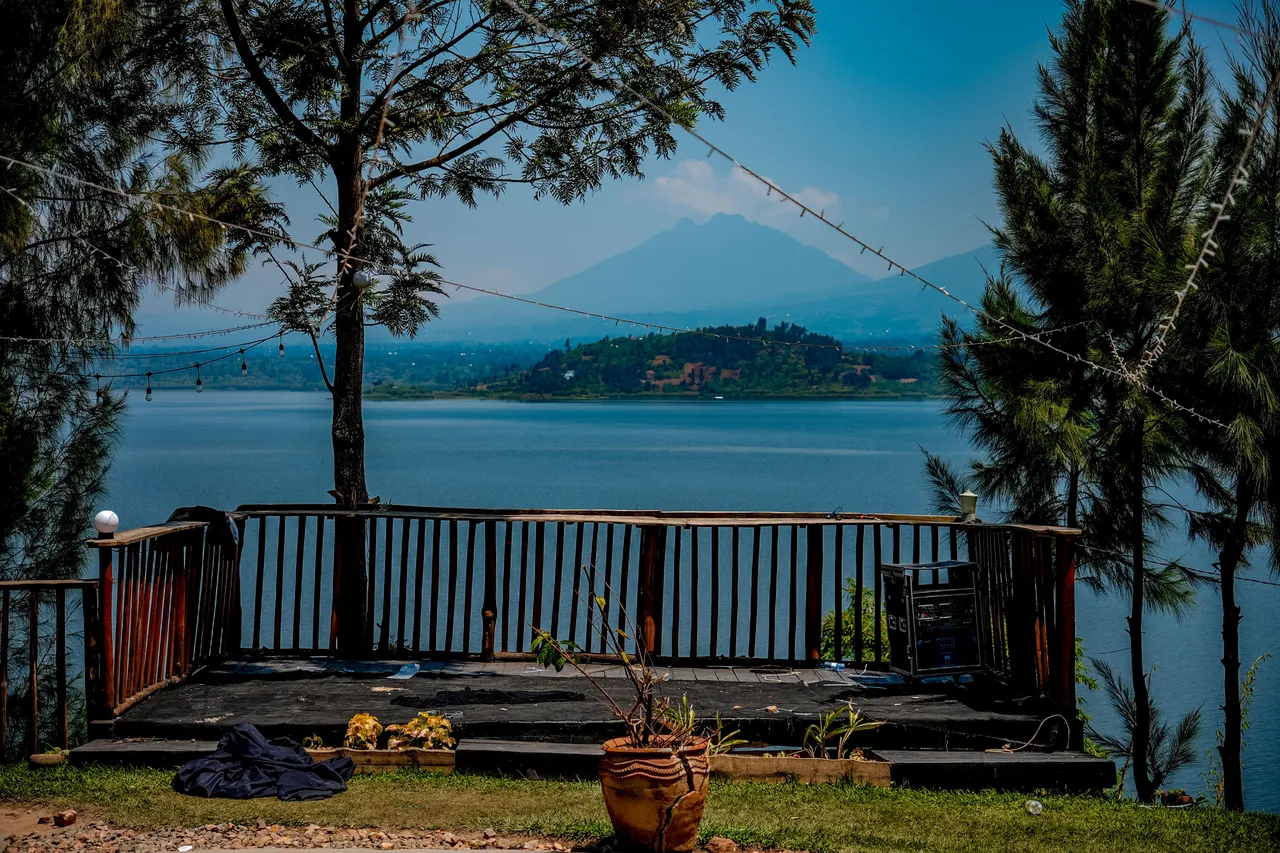
Rwanda Gorilla Trek and Kigali: 4 Days
The shortest way to see mountain gorillas: four days in Rwanda with a Kigali city visit, a night near Volcanoes National Park and a full-day trek.
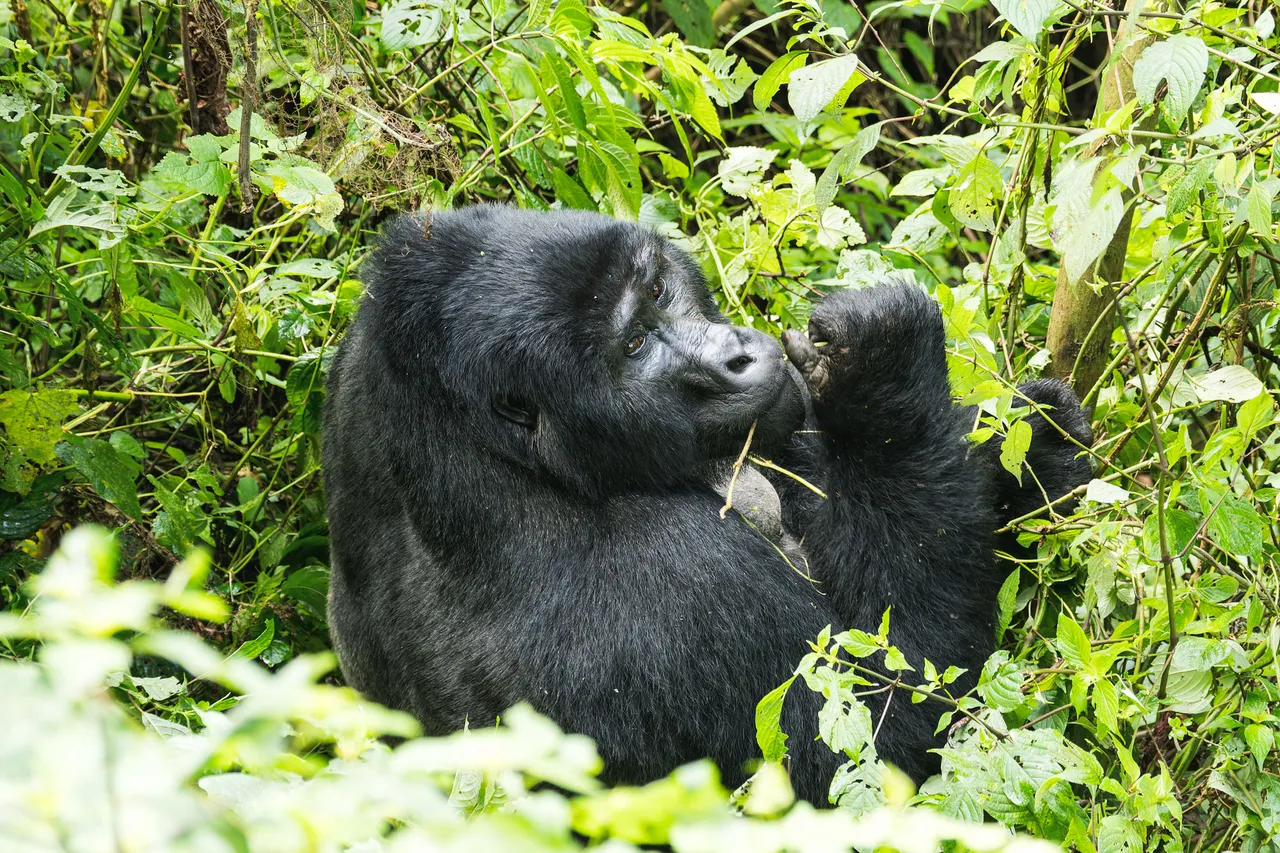
Uganda and Rwanda Gorilla Circuit: 10 Days
Ten days linking Uganda's chimps and big game with two gorilla treks, one in Bwindi and one in Rwanda's Volcanoes, and a border crossing at Cyanika.
Parks within reach of Kigali
Volcanoes National Park
Rwanda's gorilla park, just two hours from Kigali, with twelve habituated families and five volcanoes.
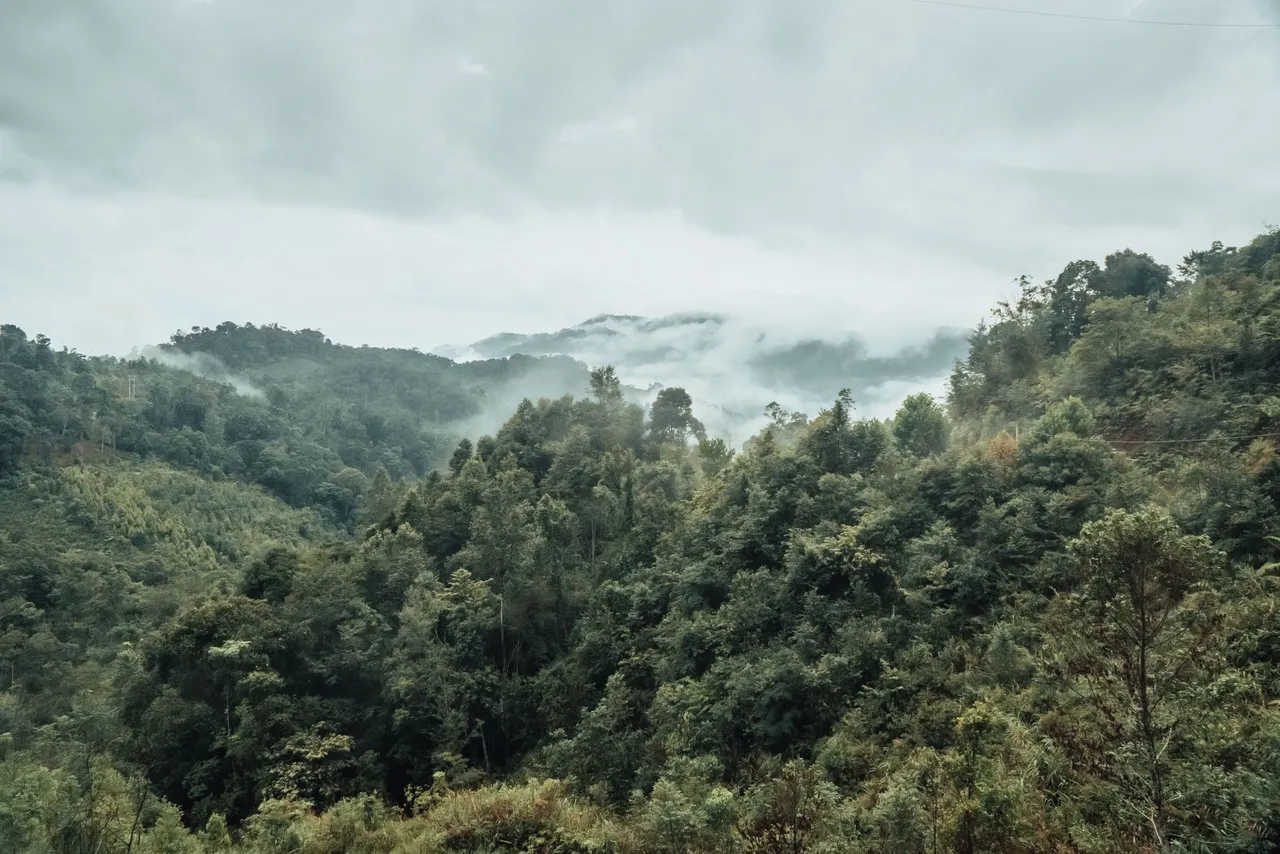
Nyungwe Forest National Park
One of Africa's oldest rainforests, with chimps, 13 primate species and a walkway through the canopy.
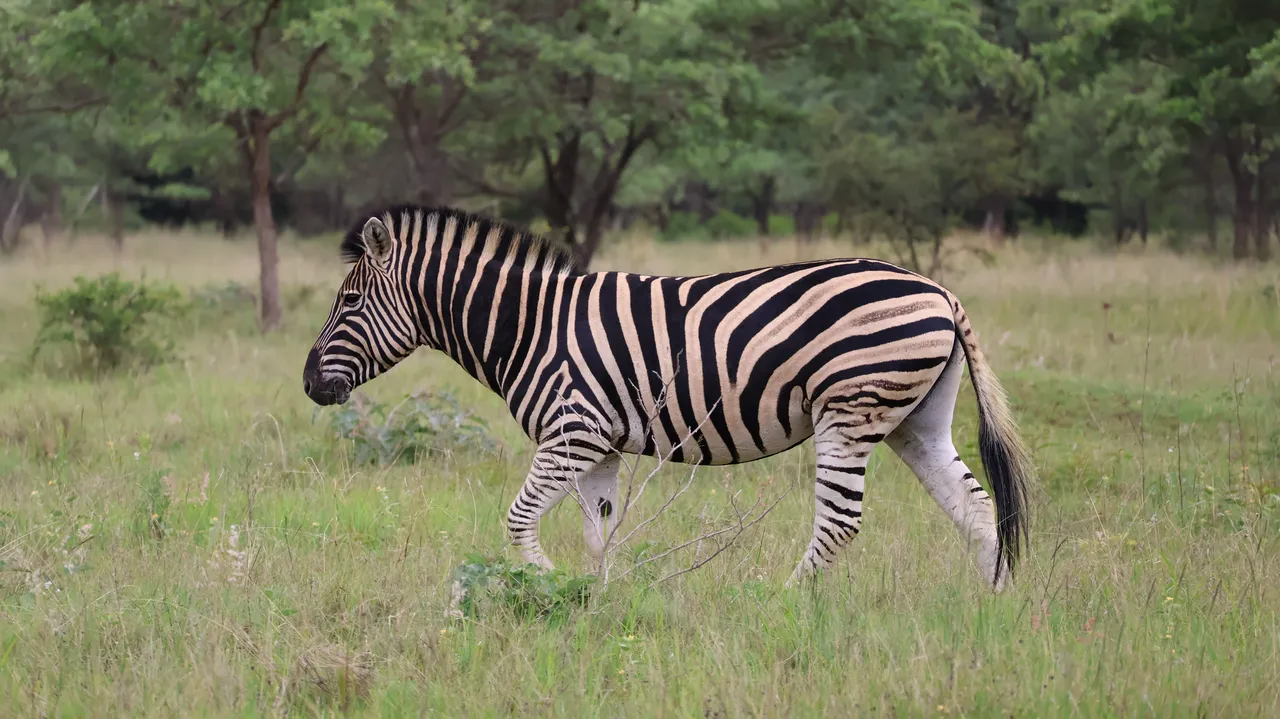
Akagera National Park
Rwanda's only savanna park, restored from near-collapse and now home to lions, black rhinos and all of the Big Five.
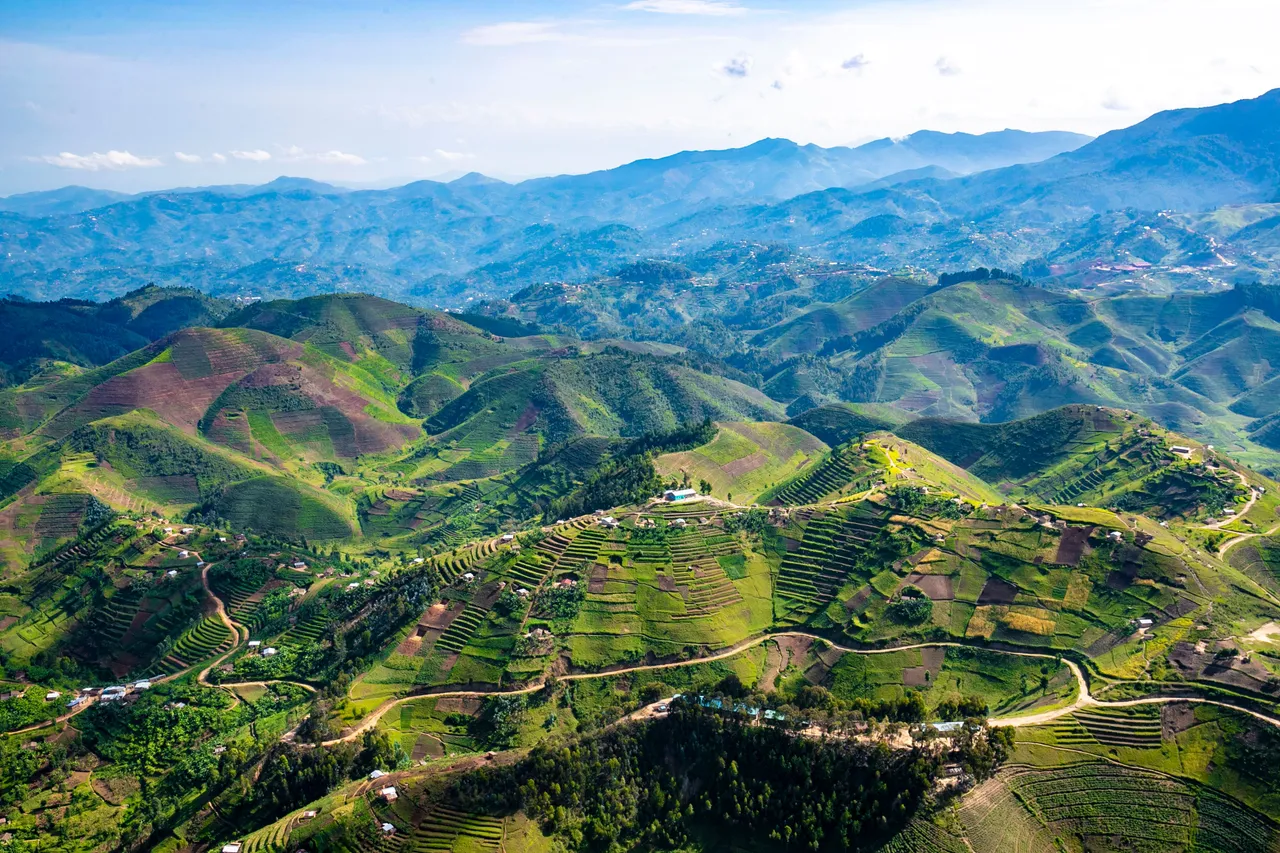
Gishwati-Mukura National Park
A small, recovering forest in western Rwanda, with chimpanzees, monkeys and quiet trails away from the crowds.
More city guides
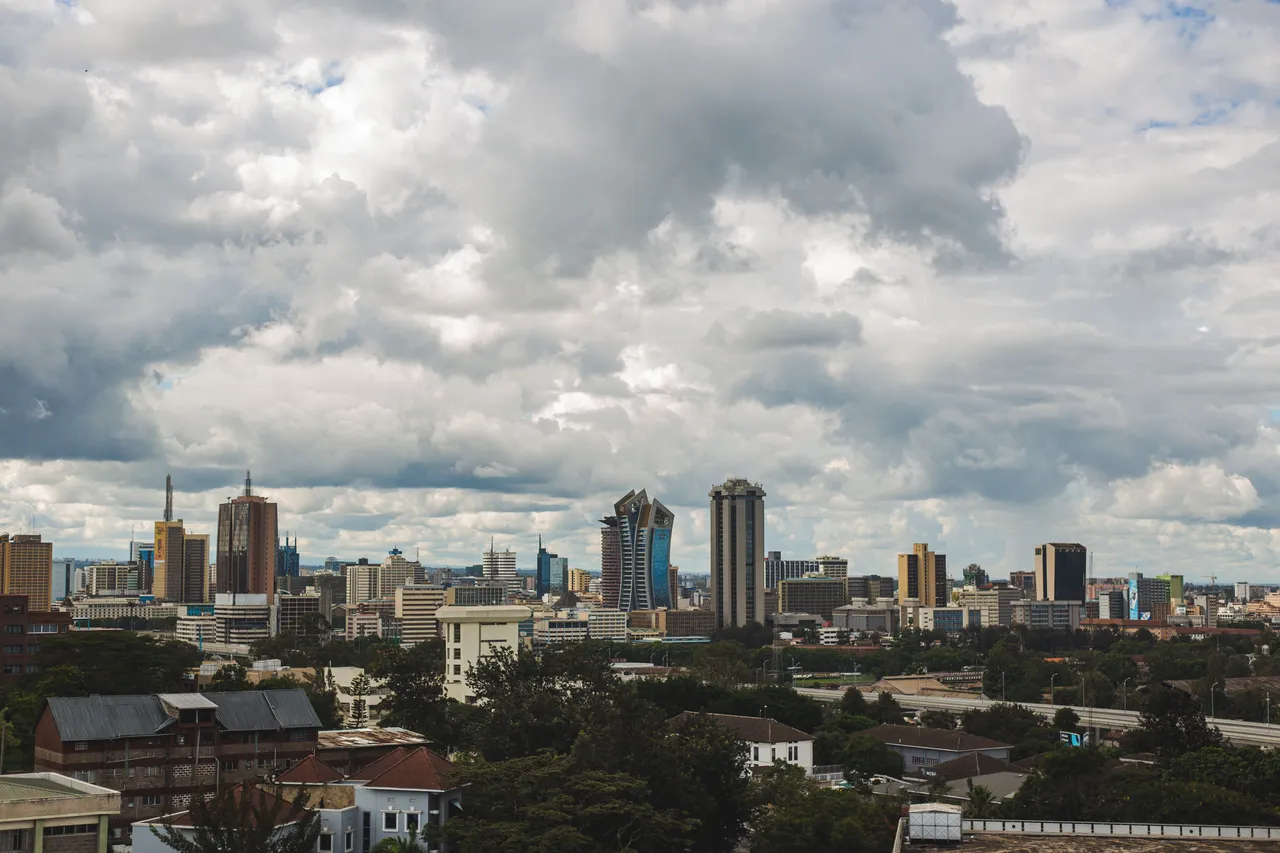
Nairobi
East Africa's biggest hub: a city with a national park at its edge and enough to fill a spare day or two.
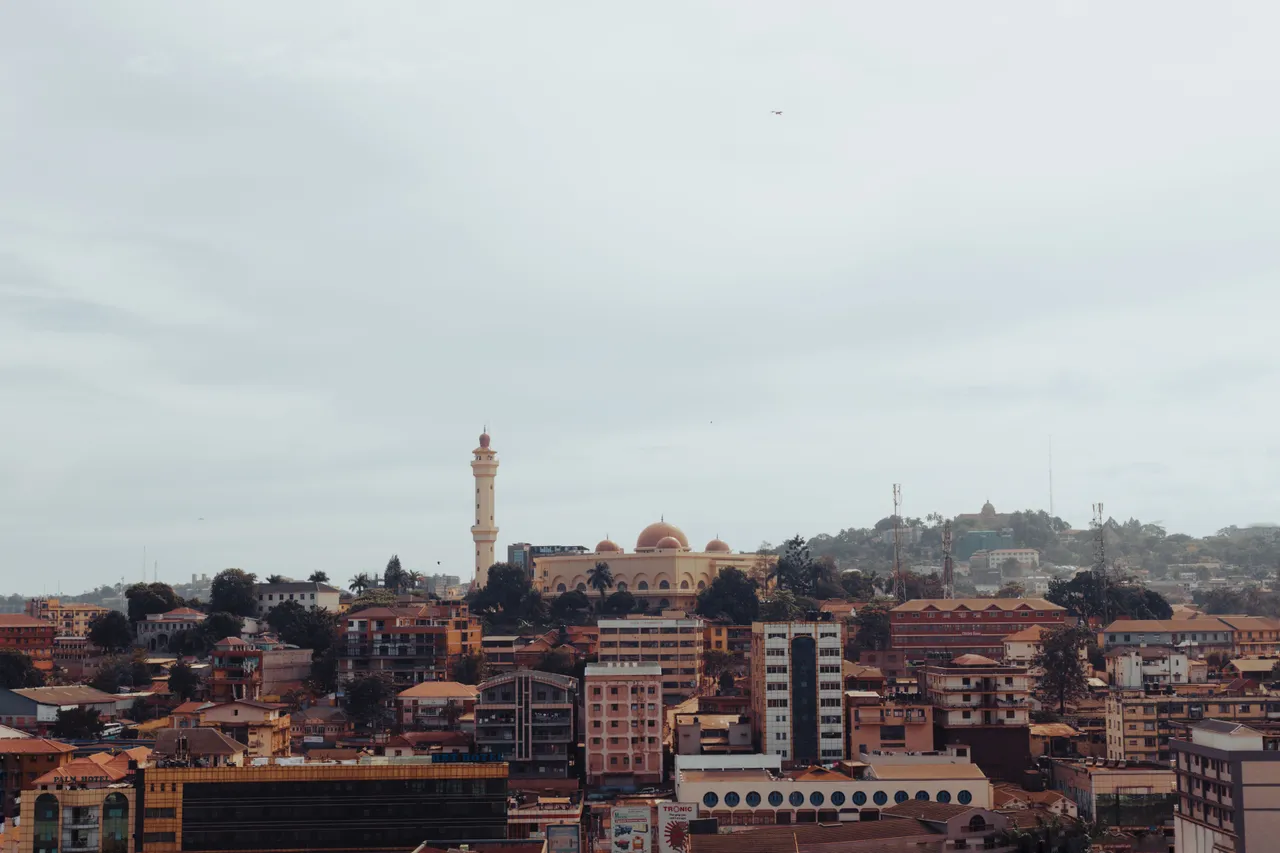
Kampala
A loud, hilly, friendly capital that most people pass through. A day here pays back.

Dar es Salaam
Tanzania's hot, hectic commercial capital, useful as a gateway to Zanzibar and the southern parks and better than its reputation.
Last updated 20 September 2026. Opening hours, ferry timetables and transport apps change, so check locally before you rely on any single detail.