What gorilla trekking is
Trekking means walking into a mountain forest with a guide and trackers to find a family of wild mountain gorillas, then spending up to an hour watching them. It’s not a zoo or a sanctuary. The gorillas live where they live, and the trackers who left before you have usually found them by the time you arrive.
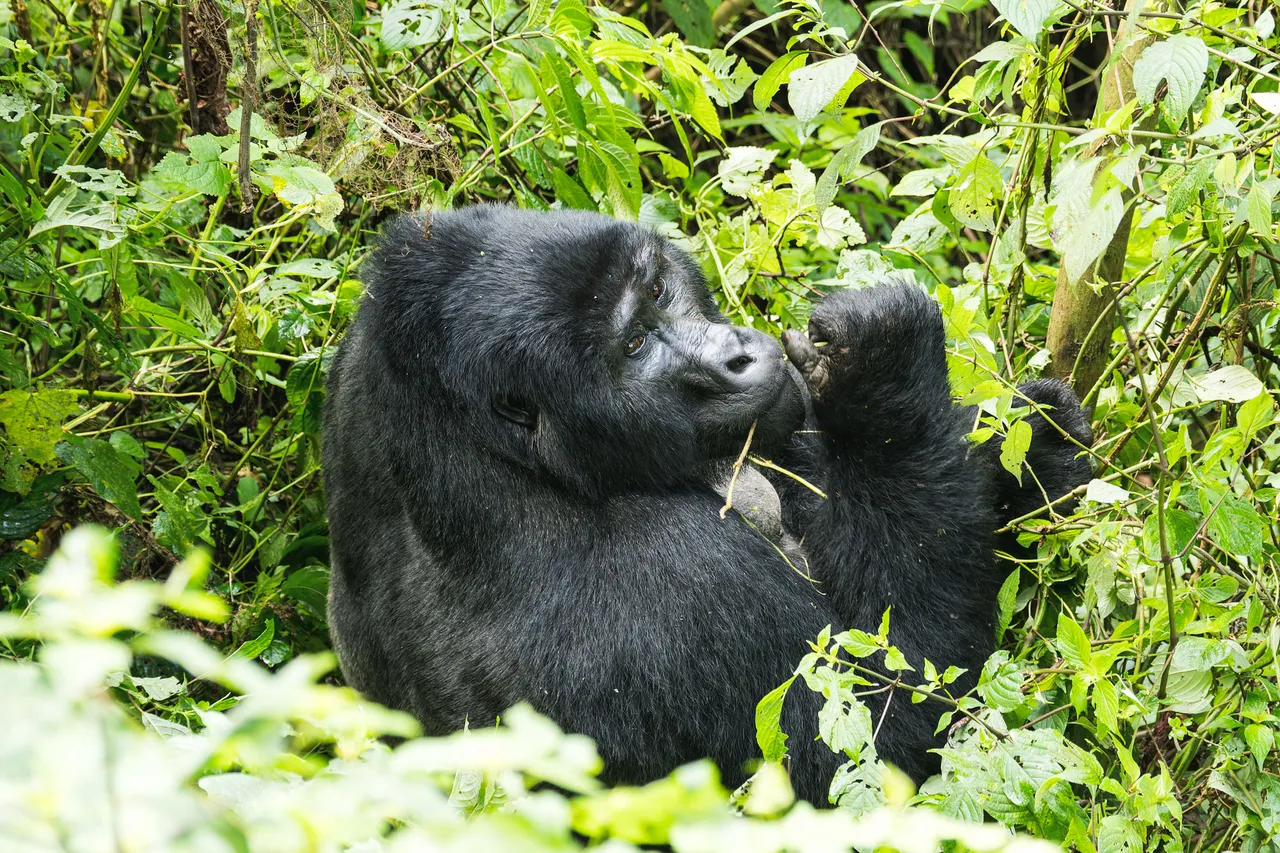
Around 1,000 mountain gorillas remain, split between two populations: one in the Virunga Mountains, which straddle Rwanda, Uganda and the Democratic Republic of Congo, and one in Bwindi Impenetrable National Park in Uganda. Tourism income is a large part of why they’re still there. Permit money pays rangers, vets, trackers and local communities.
Where you can go
Most visitors choose between two countries.
Uganda offers trekking in Bwindi Impenetrable National Park, which holds nearly half the world’s mountain gorillas, and in Mgahinga Gorilla National Park, which has one habituated group that has sometimes moved across the border. Bwindi has four sectors: Buhoma, Ruhija, Rushaga and Nkuringo.
Rwanda offers trekking in Volcanoes National Park, about two to two and a half hours by paved road from Kigali. There are twelve habituated families and up to 96 permits a day.
Gorilla tourism also exists in the eastern Democratic Republic of Congo, but that region has had armed conflict and most governments advise against travel there. We don’t plan trips there.
Choosing between the two main countries is largely a matter of budget, time and how much you enjoy travelling by road. Our Uganda vs Rwanda comparison goes through it in detail.
Permit prices
As of September 2026:
| Where | Permit price (foreign non-resident) | Notes |
|---|---|---|
| Rwanda, Volcanoes | US$1,500 | Includes park entry and the guided trek |
| Uganda, Bwindi and Mgahinga | US$800 | US$600 in April, May and November |
| Uganda, habituation experience | About US$1,500 | Up to four hours, Rushaga sector only |
Prices differ for East African residents and citizens. Both countries have changed permit prices in the past, so check the Uganda Wildlife Authority and the Rwanda Development Board before you pay. Rwanda has also offered discounts for visitors who combine gorillas with stays in other national parks, so ask about current offers.
Permits are not the only cost. Budget for a porter (a modest fee that helps local communities and eases the hike), tips for guides and trackers, transfers and lodging. On top of the permit, trips usually add US$100 to US$400 per person per night in lodging depending on the lodge.
How to book
You can book a permit directly through the Rwanda Development Board or the Uganda Wildlife Authority, or through a tour operator, which is the easiest route because they can hold dates while you book flights and lodges. In March 2026, Uganda suspended its seven-day reservation hold, which means you now pay at the time of booking. Ask any operator what their cancellation and date-change terms are, in writing.
A few practical points:
- Choose your dates and country first.
- Book the permit before flights and lodges. Peak dates sell out.
- In Uganda, the sector matters. Buhoma is easiest logistically. Rushaga has the most groups. Ruhija suits birders. Nkuringo is steep with big views.
- Buy travel insurance that covers permit costs and medical evacuation.
What the trek is like
You arrive at the park office early, usually around 7 am, for a briefing and to be assigned a family. Groups have a maximum of eight visitors. Then you drive to the trailhead and walk. Trackers go ahead, find the group, and radio their location.
Treks range from about thirty minutes to six hours or more each way. The forest is steep, humid and slippery, at altitudes between about 1,500 and 3,000 m. Once you reach the gorillas, you leave your bags and walking sticks and take only your camera. You then have a maximum of one hour. The silverback, females and juveniles go about their day, and the guides keep you at a respectful distance.
Most people describe it as intense and quiet. An hour passes quickly. When you walk out, expect to be muddy, and hungry.
How fit do you need to be?
You need a reasonable base of fitness and a willingness to go slowly. You don’t need to be a mountaineer. If you can walk uphill for a few hours with rests, you can do it. Practise on hills before you go, and break in your boots.
Porters are available at the trailhead. They carry your bag, offer a hand on steep sections and in some cases will help you along the path. It’s money well spent. Tell the ranger at the briefing about health issues, because they can allocate you to a group that’s closer or easier.
What to pack
Waterproof hiking boots with good grip, long trousers and long sleeves in muted colours, a waterproof jacket, gardening gloves for the vegetation, a hat, insect repellent, a small daypack and at least a litre of water. Gaiters are useful in mud. Our safari packing list covers the rest.
The rules
The rules protect the gorillas from human diseases as well as from stress.
- Stay at least 7 metres away. If a gorilla approaches, move back slowly.
- Don’t trek if you’re ill, especially with a cough, cold or stomach bug. Tell the ranger. In some cases you can get a refund or swap.
- Wear a face mask when you’re near the gorillas, if requested.
- No flash photography. Keep voices low.
- Don’t eat, drink or smoke near the gorillas.
- Don’t touch them, even if they touch you.
- If you need to sneeze or cough, turn away and cover your mouth.
Other primates to combine
If you have more time, consider chimpanzee tracking at Kibale or Nyungwe, a golden monkey trek in Rwanda or Uganda, or the Dian Fossey grave hike. Our chimpanzee guide explains the options.
Is it worth the cost?
For most people who do it, yes, though the answer depends on your priorities. The price is high, and trekking is physically demanding. The reward is an experience that few wildlife encounters match, and your money supports conservation. If you want to spread the cost, consider Uganda, which offers cheaper permits and a broader trip, or the Rwanda short-stay option in our four-day itinerary.
Frequently asked questions
How much does a gorilla permit cost?
As of September 2026, Rwanda charges US$1,500 per person. Uganda charges US$800 in the main season and US$600 in April, May and November. Uganda's gorilla habituation experience costs about US$1,500 for up to four hours with a group. Prices are set by the Rwanda Development Board and the Uganda Wildlife Authority, and both have changed them before.
How far ahead should I book a gorilla permit?
For June to September and the Christmas and New Year period, book six to twelve months ahead. Other months are easier, sometimes only a few weeks out. Permits are tied to a date and a location, so buy the permit before you commit to flights and lodges.
How hard is gorilla trekking?
It depends on where the family has moved overnight. Some treks are under an hour, and others take six hours or more each way. The trails are steep, muddy and at altitude. If you can walk uphill for several hours with breaks, you can do it. Porters are available and helpful.
How close do you get to the gorillas?
The rule is to stay at least 7 metres away, though gorillas sometimes come closer. You have a maximum of one hour with them, and groups are limited to eight visitors. Guides control the pace and tell you when to move.
Can children go gorilla trekking?
The minimum age is 15 in both Uganda and Rwanda, and the rule is enforced. For a family with younger children, consider chimpanzee tracking or safari instead. Kibale's chimp trek has a lower minimum age.
Are gorilla permits refundable?
Sometimes, but rules are strict. Uganda's low-season permits are usually non-refundable and can't be rescheduled, and refund windows for main-season permits are short. Rwanda has its own policy. Buy travel insurance that covers permit costs, and read the conditions before you pay.
Trips built around this
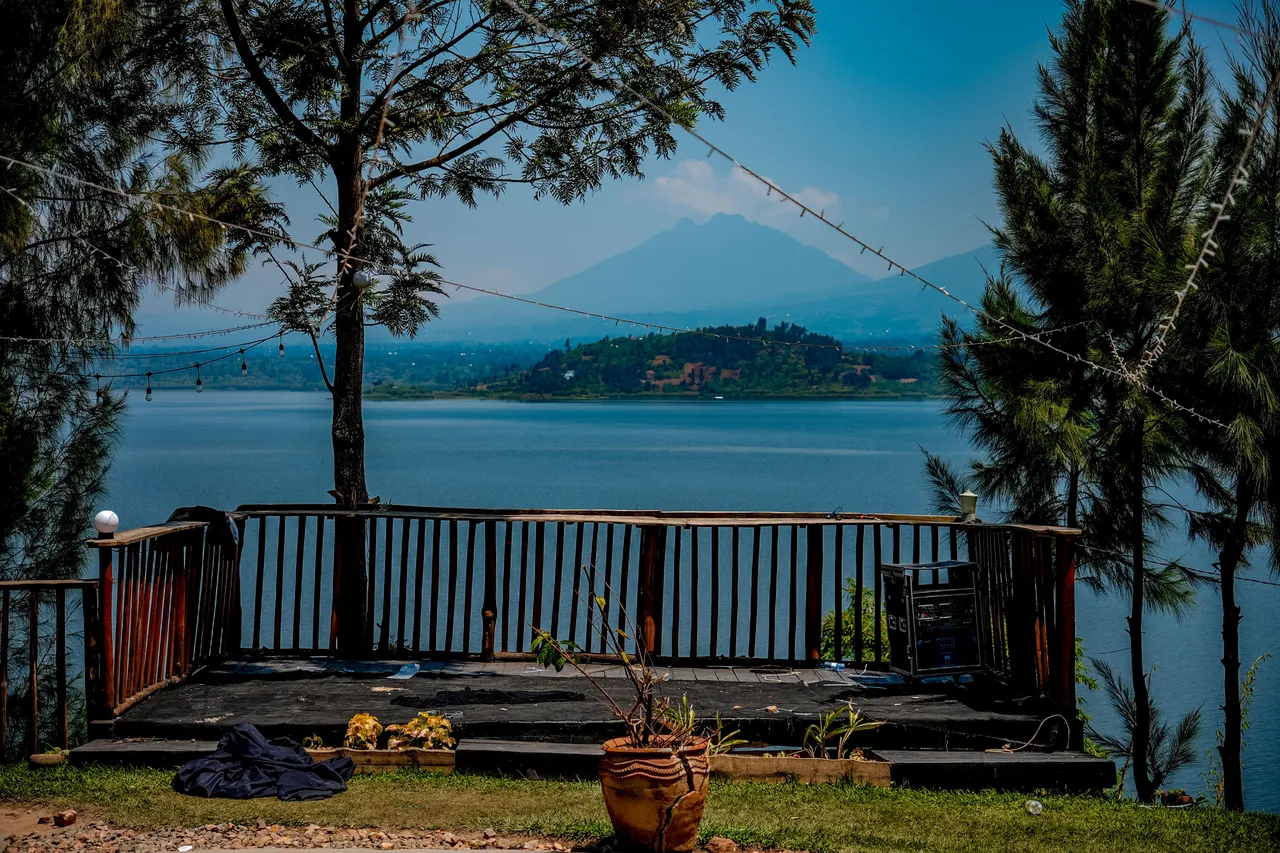
Rwanda Gorilla Trek and Kigali: 4 Days
The shortest way to see mountain gorillas: four days in Rwanda with a Kigali city visit, a night near Volcanoes National Park and a full-day trek.
Uganda Gorillas, Chimps and Big Game: 7 Days
A seven-day Uganda trip covering chimpanzees at Kibale, boats and lions at Queen Elizabeth and a gorilla trek in Bwindi, with a flight back to Entebbe.
Uganda and Rwanda Gorilla Circuit: 10 Days
Ten days linking Uganda's chimps and big game with two gorilla treks, one in Bwindi and one in Rwanda's Volcanoes, and a border crossing at Cyanika.
Parks mentioned in this guide
Bwindi Impenetrable National Park
Home to nearly half the world's mountain gorillas, in ancient forest on steep green hills.
Volcanoes National Park
Rwanda's gorilla park, just two hours from Kigali, with twelve habituated families and five volcanoes.
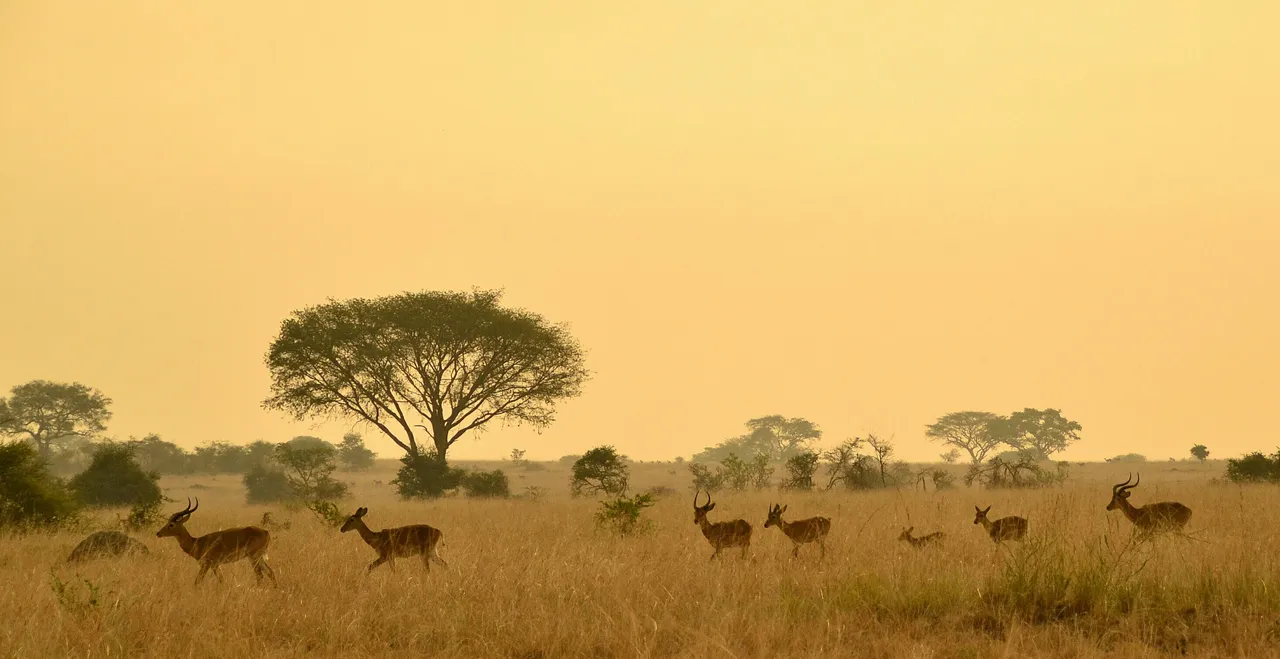
Mgahinga Gorilla National Park
Uganda's smallest national park: three volcanoes, golden monkeys and a single gorilla family that sometimes crosses the border.
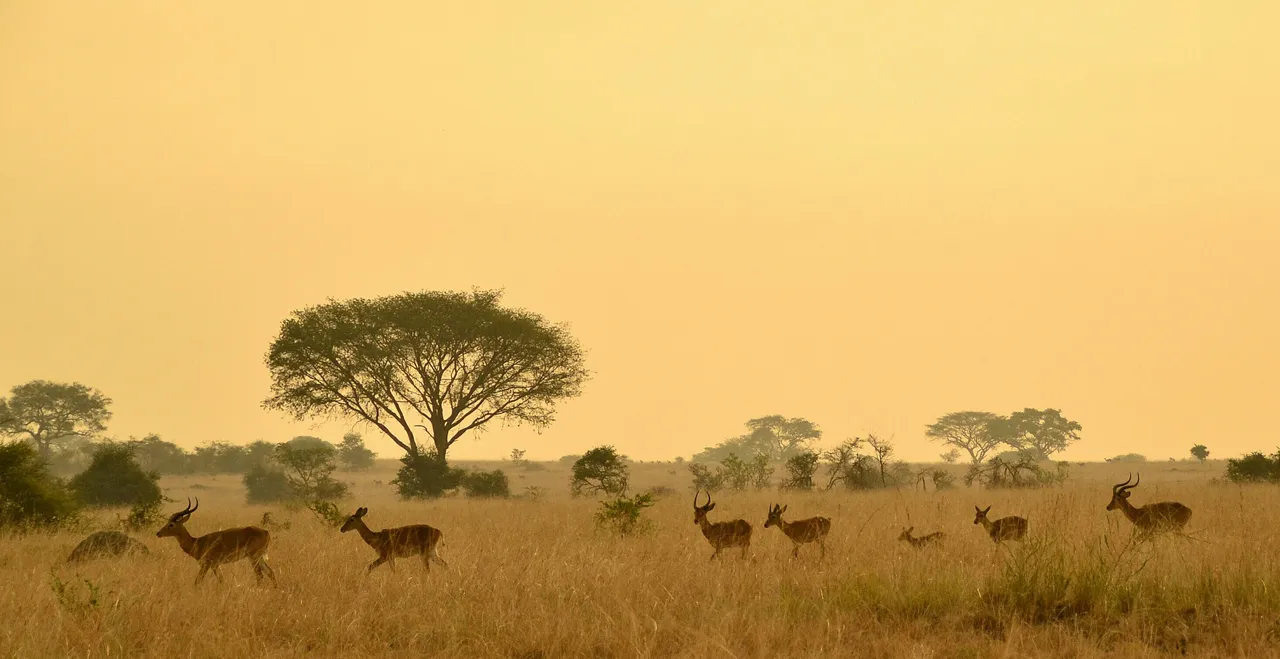
Kibale National Park
The world's best-known place to see wild chimpanzees, with 12 other primate species in the same forest.
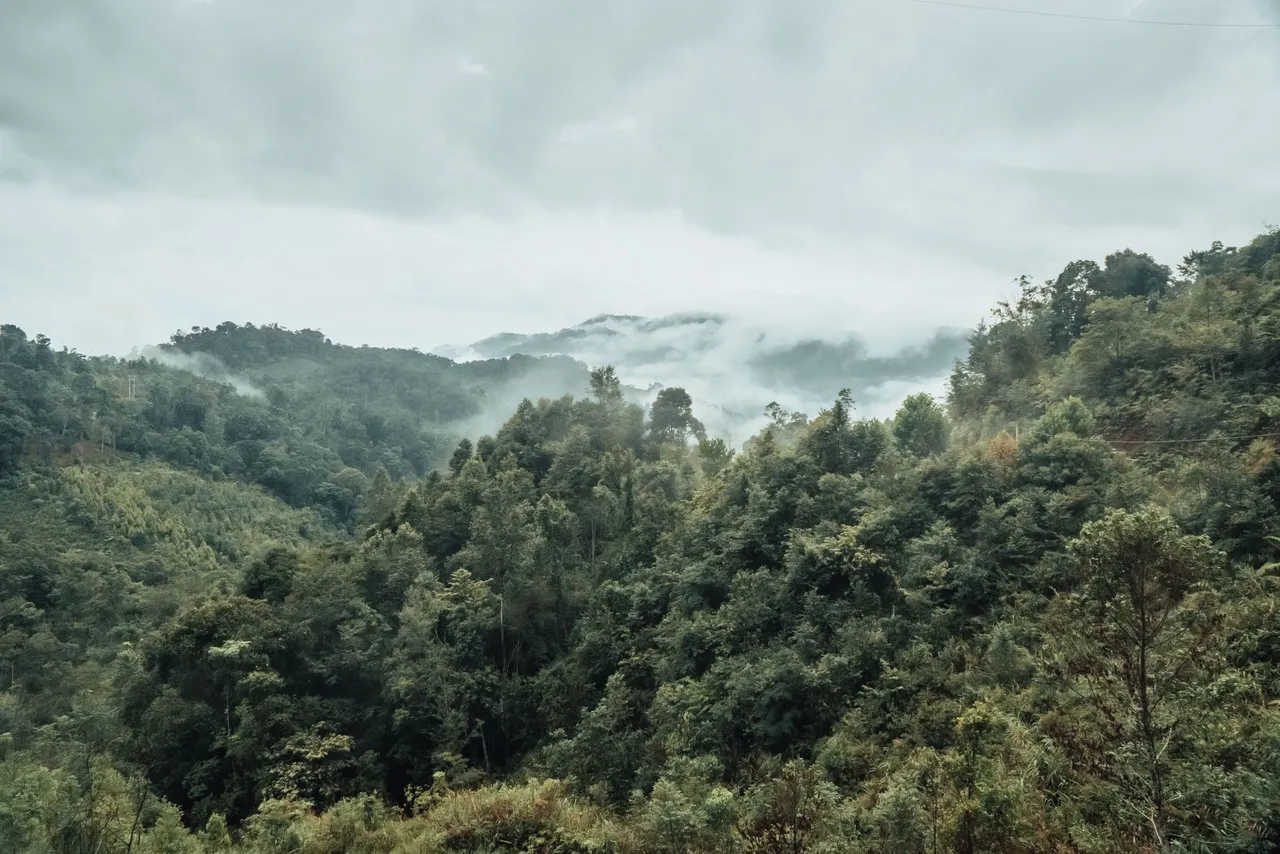
Nyungwe Forest National Park
One of Africa's oldest rainforests, with chimps, 13 primate species and a walkway through the canopy.
Keep reading

Uganda vs Rwanda for Gorilla Trekking: Which Should You Choose?
Uganda or Rwanda for gorillas? Compare permit prices, travel time, terrain, lodges and add-ons, and see when it makes sense to do both in one trip.

Chimpanzee Trekking in Uganda, Rwanda and Tanzania
Where to track wild chimpanzees in East Africa: Kibale, Budongo, Nyungwe, Gombe and Mahale compared, with permit costs, fitness and timing.
What to Pack for an East Africa Safari: A Practical List
A practical safari packing list: clothing colours, layers, luggage limits for bush flights, gorilla trekking gear, adapters and what to leave at home.
East Africa Visa Guide: Kenya, Tanzania, Uganda and Rwanda
Entry rules for Kenya, Tanzania, Uganda and Rwanda as of September 2026: the Kenya eTA, e-visas, the East Africa Tourist Visa and yellow fever certificates.
Last updated 20 September 2026. Rules, prices and schedules change. We recheck the facts in this guide regularly, but confirm anything that affects your money or your entry to a country with the official source.