
Chimpanzees versus gorillas
Both are great apes, and both are worth a trip. But they’re different experiences. Gorillas are calm, family-based and slow, and you usually find them resting or feeding on the ground. Chimpanzees are energetic, noisy and quick, often on the move in the trees. A chimp encounter tends to be more chaotic, with calls echoing through the forest and animals crossing above your head.
Chimp permits are also much cheaper. If a gorilla permit is out of your budget, a chimp trek is a strong alternative, and adding one to a gorilla itinerary is easy and affordable.
Where to go
Kibale National Park, Uganda
The best all-round choice. Kibale has one of the highest densities of primates in Africa, with roughly a dozen species and a large chimp population. Habituated communities make sightings reliable, and the setting is a lush tropical forest. Most visitors combine it with Queen Elizabeth and Bwindi. The chimpanzee habituation experience gives you a full day with a community that’s still being habituated.
Budongo Forest, Murchison Falls area, Uganda
Budongo, near Murchison Falls, offers chimp tracking in an ancient mahogany forest, and it works well as an add-on to a northern Uganda trip.
Nyungwe Forest, Rwanda
Nyungwe is a huge montane rainforest with chimps, a dozen other primates and a canopy walkway. Chimp tracking here can involve longer hikes, and sightings are less reliable than in Kibale, though the forest is beautiful.
Gombe Stream and Mahale Mountains, Tanzania
Gombe is where Jane Goodall began her research in 1960, and Mahale is a remote forested range on Lake Tanganyika. Both are far from the main safari circuits and are reached by small plane and boat. They’re expensive and logistically involved, but they offer rare, untouristed encounters and lakeside settings.
What the trek is like
You attend a briefing at the park office, then walk into the forest with a ranger. Habituated communities are located each morning, and you join them when you find them. The rules are similar to gorilla trekking: keep your distance, keep your voice low and don’t eat or drink near the animals. You typically get an hour with the chimps. Because they move around a lot, expect to follow them as they forage and travel.
Trekking time varies from a few minutes to several hours. The terrain at Kibale is generally moderate, with forest trails and some hills.
Costs
As of September 2026, chimp tracking at Kibale costs roughly US$250 to US$300 for foreign non-residents in high season, and less in low season. Nyungwe, Budongo and other sites have their own prices. Permits at Gombe and Mahale are part of national park fees, and getting there costs extra. Check the current fees before you plan.
When to go
Chimps can be tracked year-round. The drier months, June to September and December to February, make trails easier. Fruit availability affects where chimps are, but the trackers know.
What to bring
Wear long trousers, waterproof boots, a light rain jacket and a hat. Insect repellent is important, and gloves help with thorny vines. See our safari packing list.
Combining with gorillas
Chimps at Kibale, big game at Queen Elizabeth and gorillas at Bwindi make a natural sequence. Our seven-day Uganda itinerary does it, and our gorilla trekking guide covers the other side.
Frequently asked questions
Where is the best place to see chimpanzees in East Africa?
Kibale National Park in Uganda is the most reliable and popular, with high success rates and easy access. Nyungwe in Rwanda offers a forest-canopy setting, and Gombe and Mahale in Tanzania are remote, beautiful and expensive to reach.
How much does chimpanzee tracking cost?
At Kibale, permits for foreign non-residents cost roughly US$250 to US$300 in high season and less in low season as of September 2026. Prices vary by park and change, so check the Uganda Wildlife Authority and Rwanda Development Board. It's much cheaper than gorilla trekking.
Is chimp trekking easier than gorilla trekking?
Often, but not always. Chimps move fast and travel through trees and across the ground, so you may hike for hours or find them quickly. Kibale's terrain is gentler than Bwindi's, but the encounter is more dynamic and noisy.
What's the minimum age?
At Kibale it's 12 for tracking. Other sites have different rules. Ask before you book if you're travelling with children.
Trips built around this
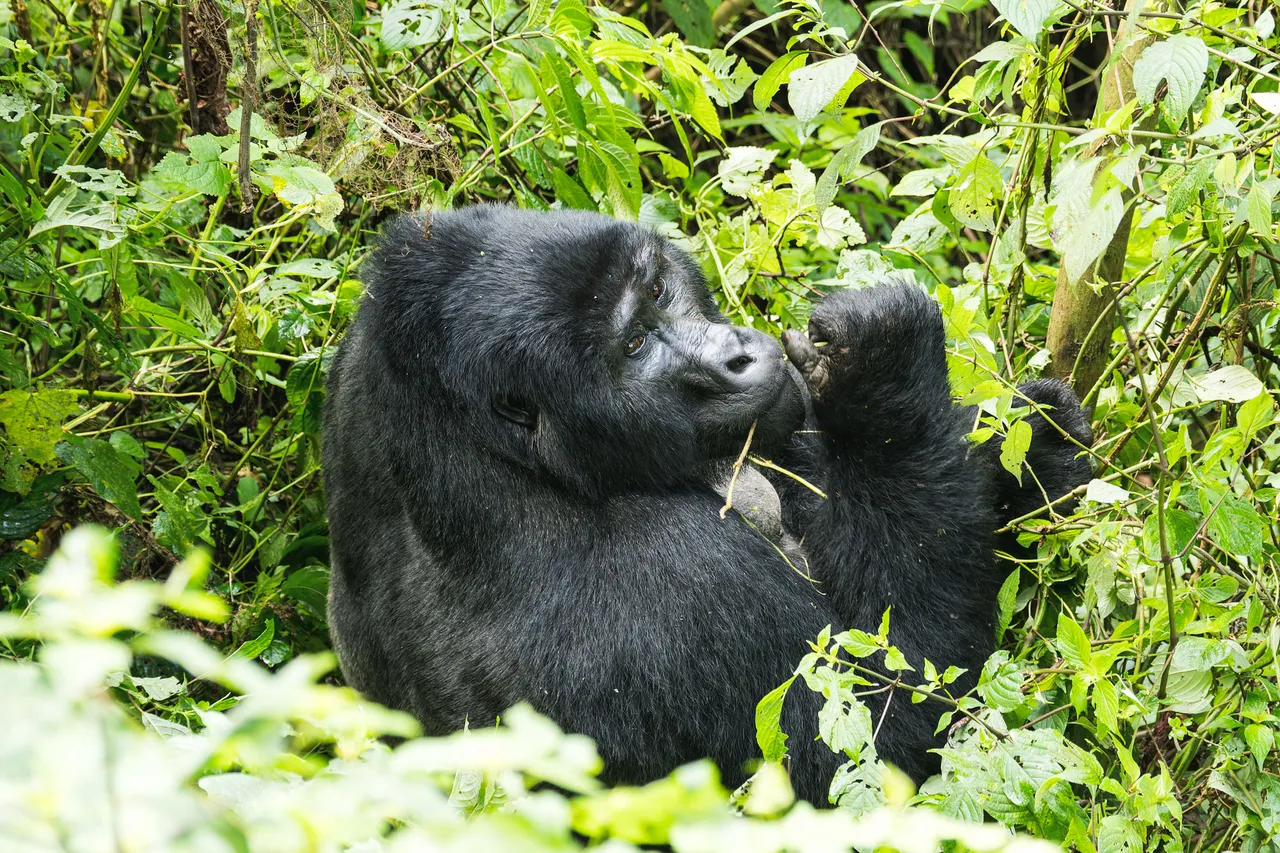
Uganda Gorillas, Chimps and Big Game: 7 Days
A seven-day Uganda trip covering chimpanzees at Kibale, boats and lions at Queen Elizabeth and a gorilla trek in Bwindi, with a flight back to Entebbe.
Uganda and Rwanda Gorilla Circuit: 10 Days
Ten days linking Uganda's chimps and big game with two gorilla treks, one in Bwindi and one in Rwanda's Volcanoes, and a border crossing at Cyanika.
Parks mentioned in this guide
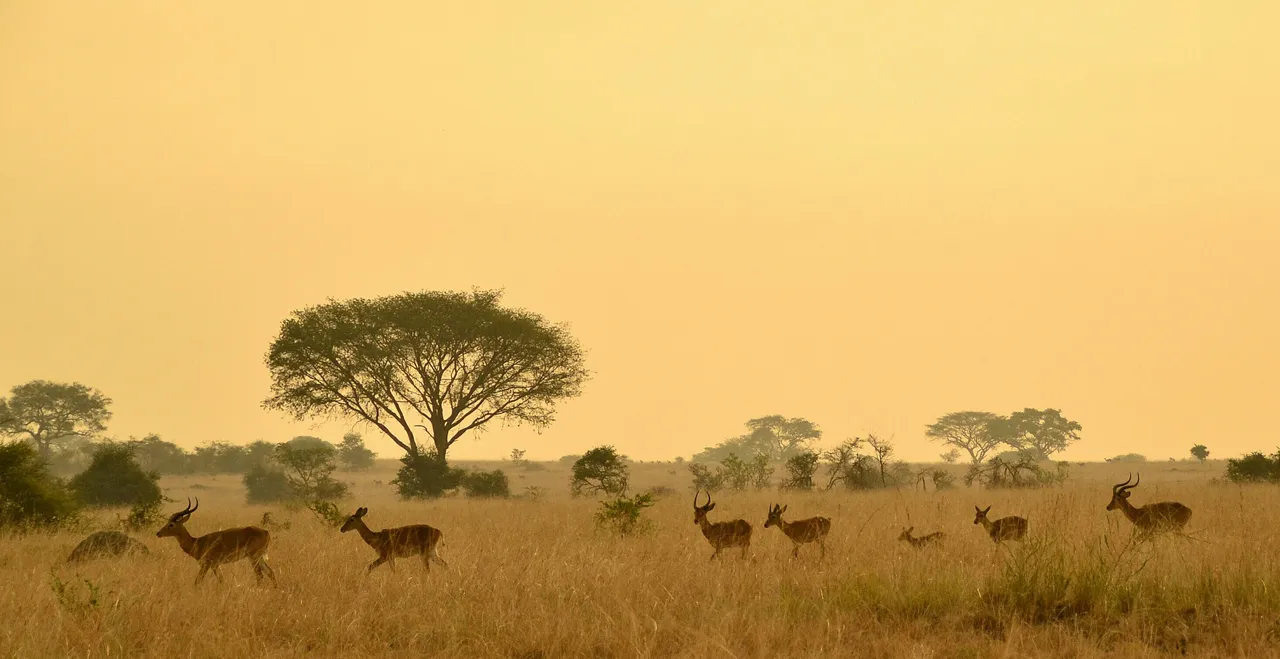
Kibale National Park
The world's best-known place to see wild chimpanzees, with 12 other primate species in the same forest.
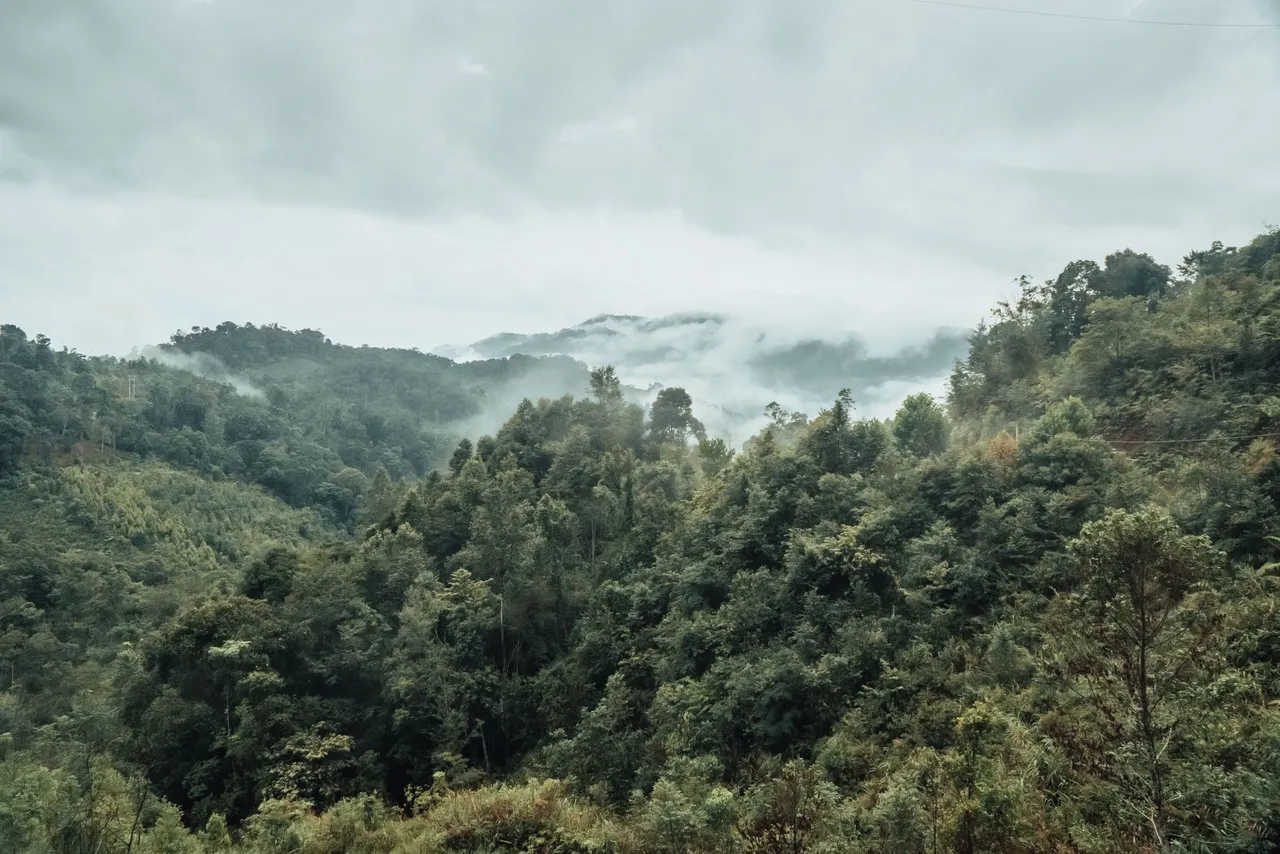
Nyungwe Forest National Park
One of Africa's oldest rainforests, with chimps, 13 primate species and a walkway through the canopy.

Mahale Mountains and Gombe National Parks
Remote chimp country on Lake Tanganyika, reached by boat or bush plane, and worth the effort.
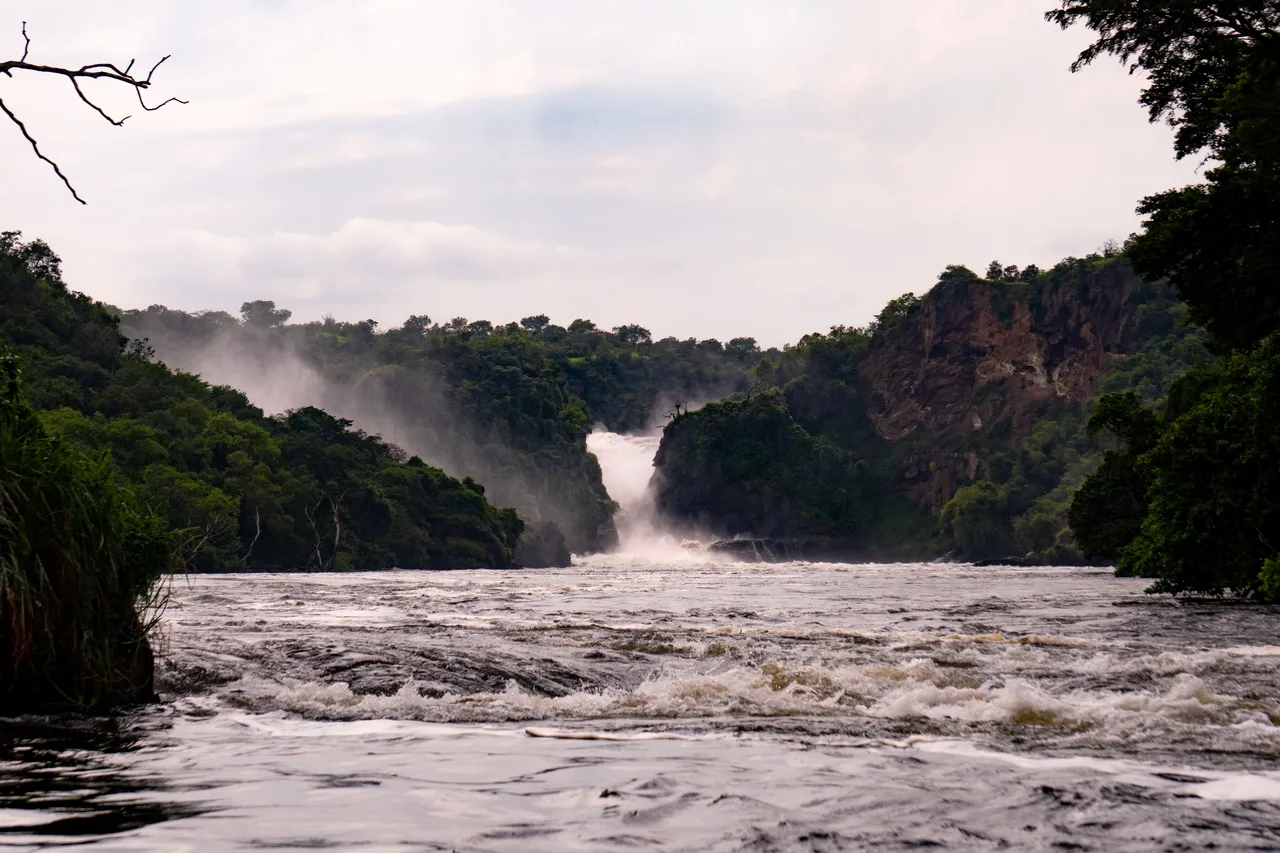
Murchison Falls National Park
The Nile squeezes through a 7-metre gap and drops 43 m, in Uganda's biggest park.
Queen Elizabeth National Park
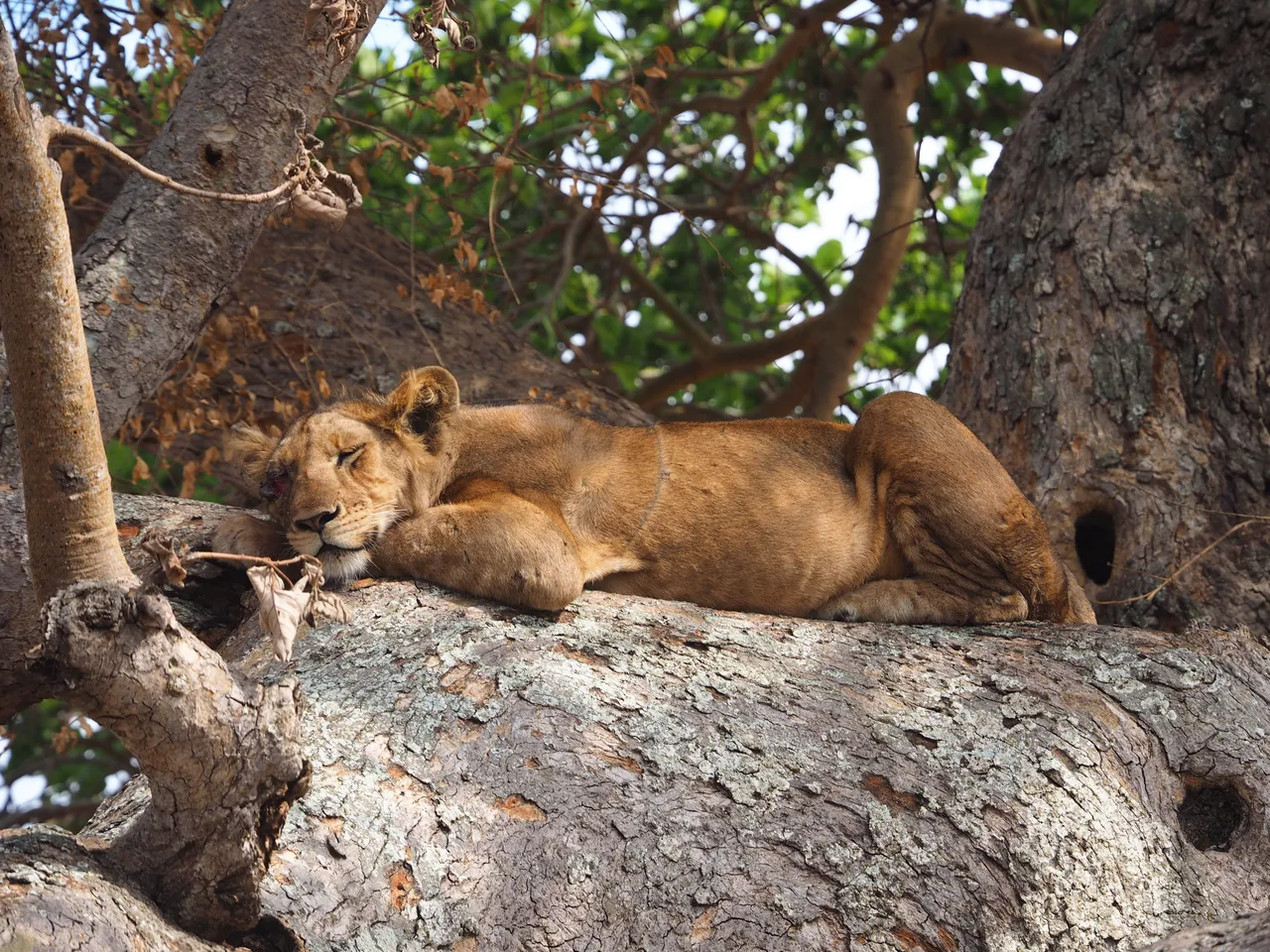
Uganda's most varied park: a boat trip among hippos, tree-climbing lions in Ishasha and chimps in a gorge.
Keep reading

Gorilla Trekking in Uganda and Rwanda: Permits, Costs and What to Expect
How gorilla trekking works in Uganda and Rwanda: permit prices, how to book, how hard the hike is, what to pack, the rules and how to choose between countries.
Uganda vs Rwanda for Gorilla Trekking: Which Should You Choose?
Uganda or Rwanda for gorillas? Compare permit prices, travel time, terrain, lodges and add-ons, and see when it makes sense to do both in one trip.

What to Pack for an East Africa Safari: A Practical List
A practical safari packing list: clothing colours, layers, luggage limits for bush flights, gorilla trekking gear, adapters and what to leave at home.
Last updated 20 September 2026. Rules, prices and schedules change. We recheck the facts in this guide regularly, but confirm anything that affects your money or your entry to a country with the official source.