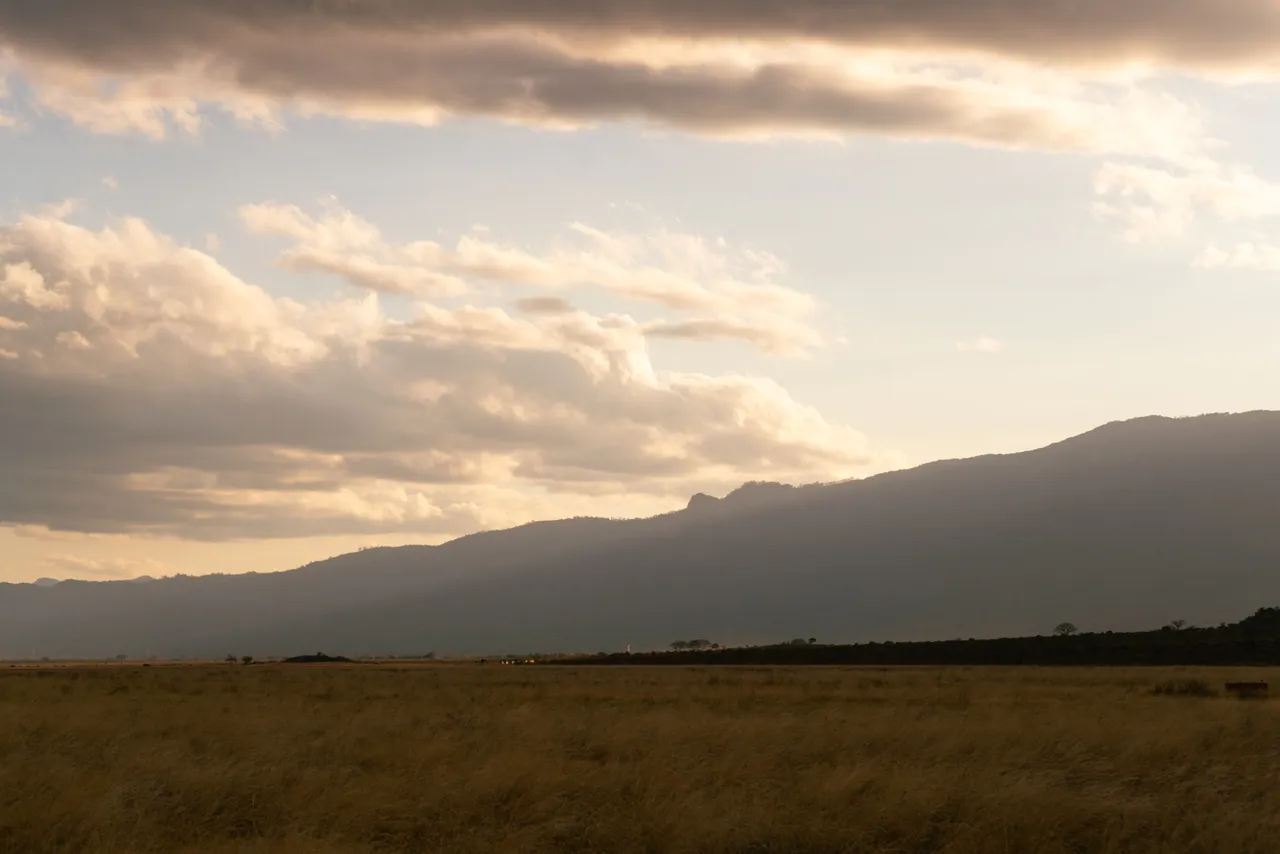
 Photo: supplied by East Africa Trails
 Kenya at a glance
- Capital
- Nairobi
- Currency
- Kenyan shilling (KES); US dollars widely accepted at lodges
- Languages
- English and Swahili
- Entry
- Electronic Travel Authorisation (eTA), about US$30, apply online before you fly
- Time zone
- UTC+3 (East Africa Time)
- Driving
- On the left
- Plugs
- Type G (UK-style), 240 V
- Main gateways
- Nairobi (JKIA), Wilson Airport for domestic flights, Mombasa
Why go to Kenya
Kenya is the country most people picture when they think of safari: open savanna, acacia trees, lions on termite mounds and Maasai herders in red shukas. It’s also the easiest place in East Africa to organise a first trip. Flights connect Nairobi to most of the world, the internal air network is well developed, and the range of accommodation stretches from campsites to top-end tented camps.
The Maasai Mara is the headline, especially from July to October when the wildebeest cross the Mara River. But Kenya is more varied than that: Amboseli’s elephants with Kilimanjaro behind them, the rhinos of Lake Nakuru and Ol Pejeta, the dry northern country of Samburu, and the red elephants of Tsavo.
Which parks to choose
If you have a week, the classic combination is the Maasai Mara plus one other park. Add Amboseli for elephants, Lake Nakuru for rhinos and flamingos in a good year, or Ol Pejeta for a private conservancy with night drives and walks. A ten-day trip can add Samburu for northern species, or Tsavo and the coast.
Photographers often favour Amboseli and the Mara. Families choose Ol Pejeta and Lake Nakuru because distances are short and sightings reliable. Repeat visitors gravitate to Samburu and the conservancies.
When to go
Kenya has two rainy seasons: the long rains from about March to May, and the short rains in November. The rest of the year is dry. The migration is in the Mara from roughly July to October, and that’s peak season for prices and crowds. January and February are dry and green, and many guides prefer them.
Adding the coast
Kenya’s coast has white beaches, coral reefs and old Swahili towns. Diani Beach, south of Mombasa, is the most popular resort area. Lamu is quieter and more traditional, and Watamu is good for snorkelling and turtles. See our Kenya safari and Diani Beach itinerary, or combine Tsavo with a coastal stay.
Getting around
Domestic flights from Nairobi’s Wilson Airport serve the Mara, Amboseli, Samburu and Laikipia. Road transfers are also common, and the Standard Gauge Railway (Madaraka Express) runs between Nairobi and Mombasa, with a stop at Voi for Tsavo. Kenya drives on the left, and roads outside the towns can be rough.
Practical notes
Entry rules change, so confirm requirements with the official Kenyan immigration authority before you travel. A yellow fever certificate may be required depending on where you arrive from, and malaria prophylaxis is advised for most safari areas. Carry small US dollar bills for tips, and use Kenyan shillings for local purchases. M-Pesa mobile money is widely used, although visitors generally rely on cards and cash.
National parks and reserves in Kenya
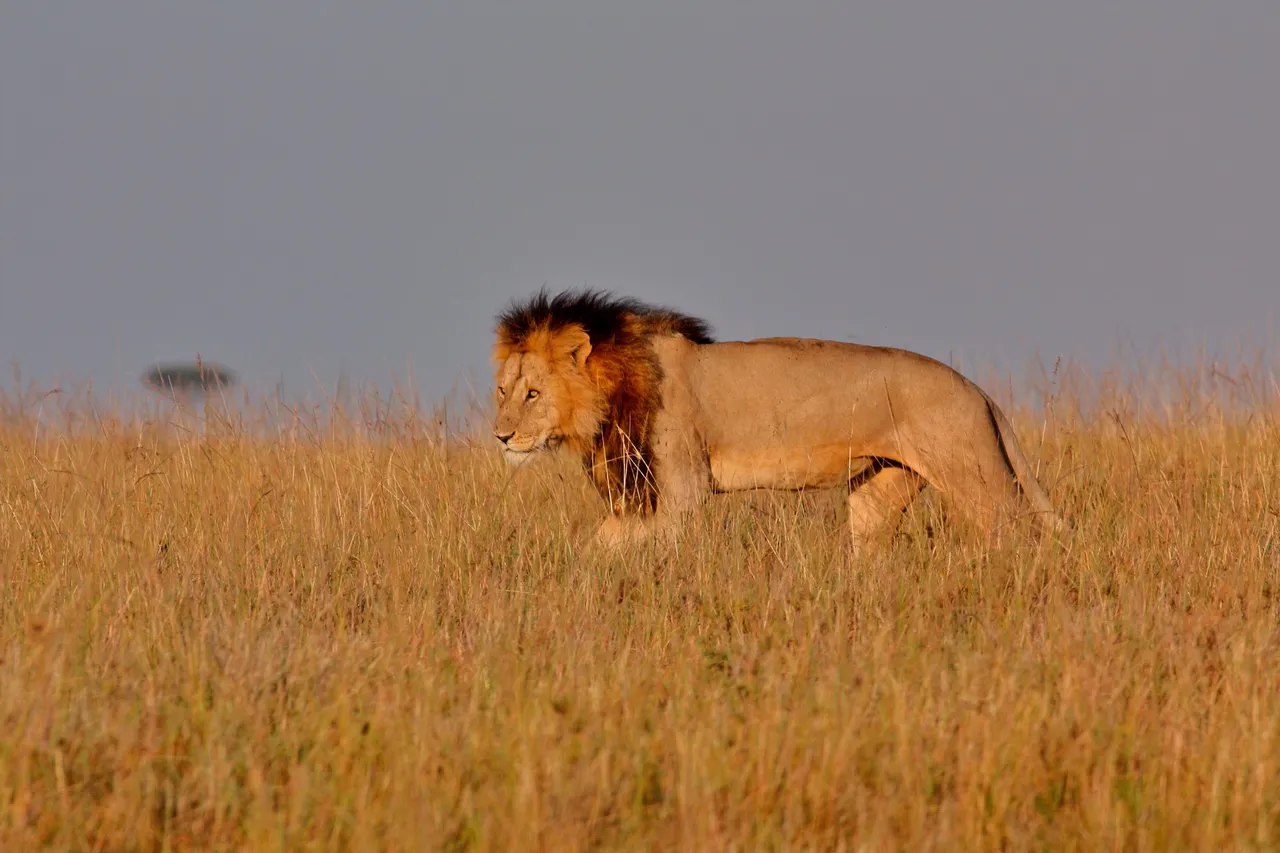
Maasai Mara National Reserve
Kenya's best-known reserve: big cats all year and the Mara River crossings from July to October.
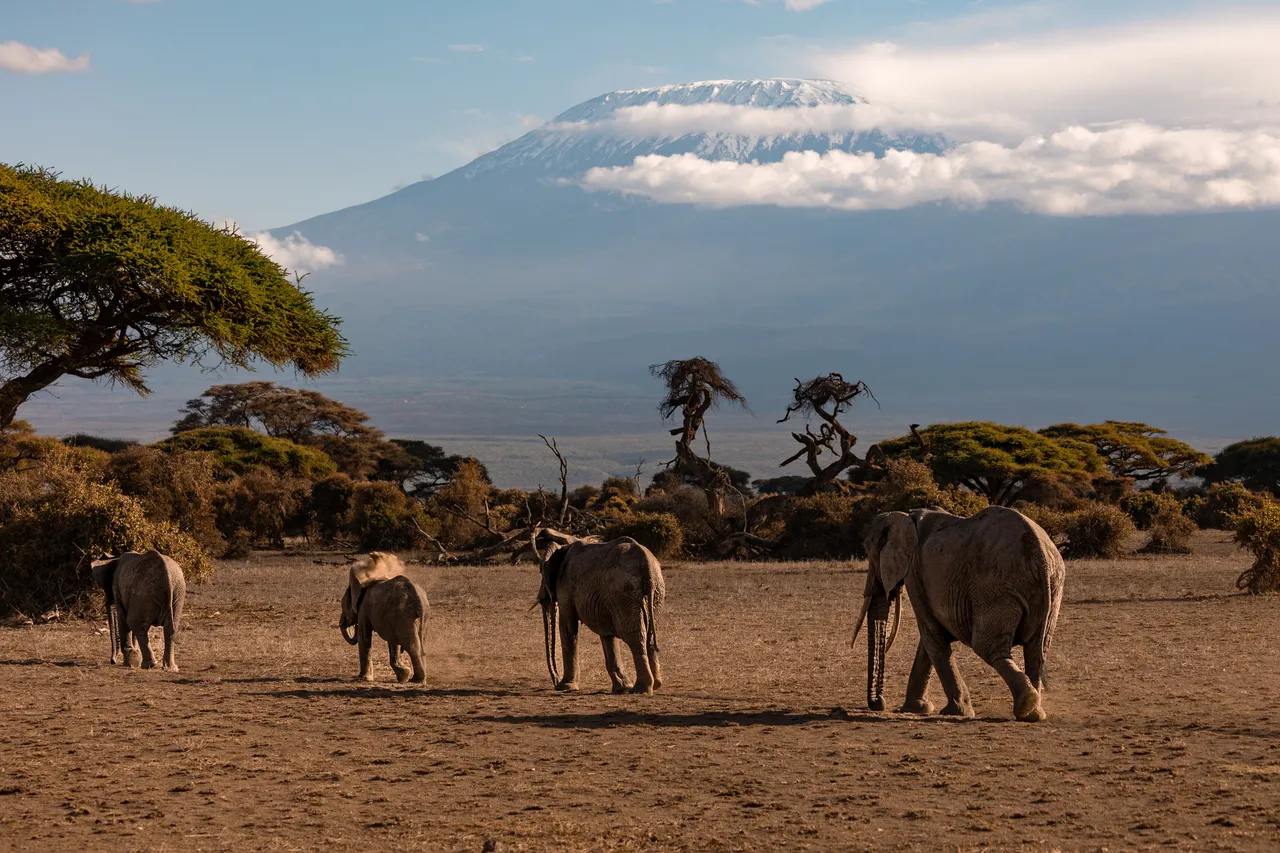
Amboseli National Park
Big-tusked elephants walking toward Kilimanjaro. Come for the picture, stay for the herds.
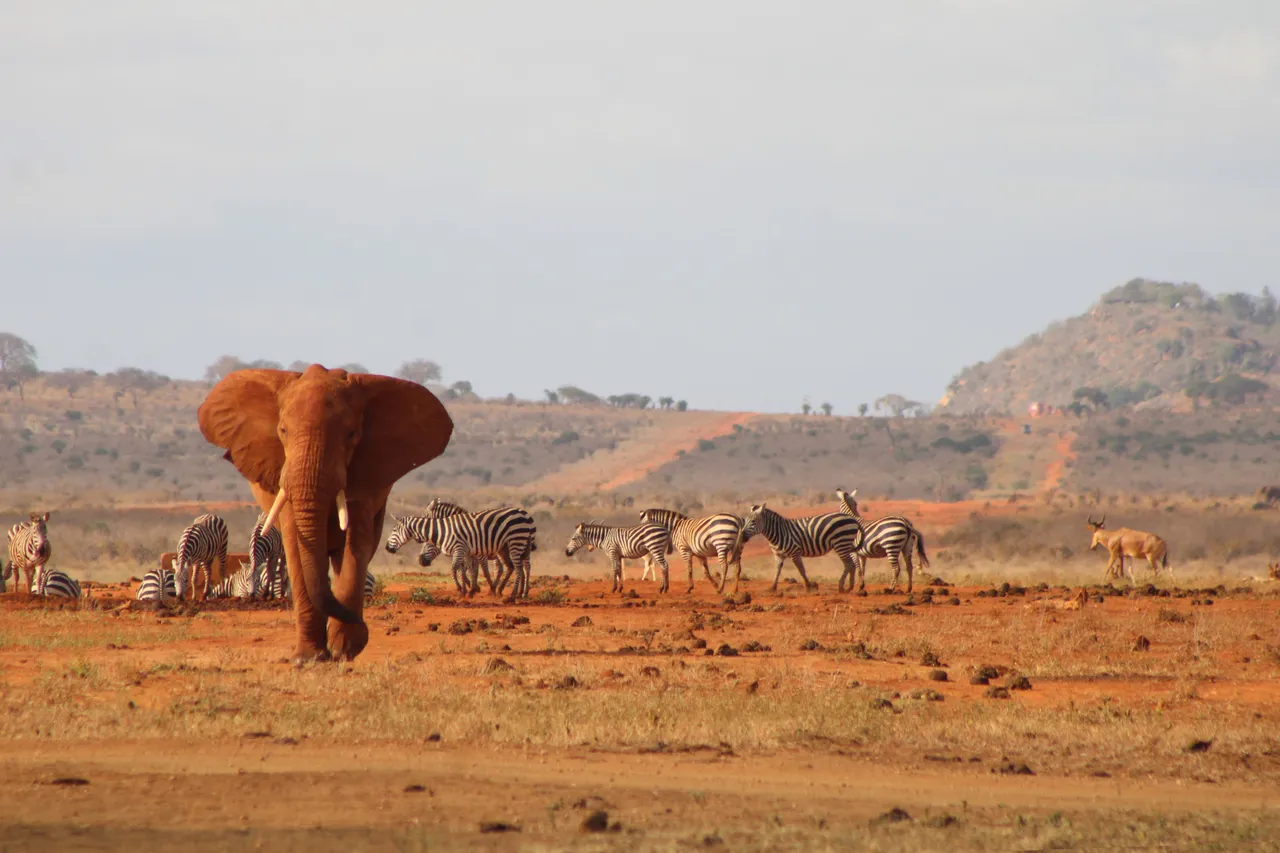
Tsavo East and Tsavo West National Parks
Kenya's biggest park pair: red-dusted elephants, huge skies and an easy bolt-on to the coast.
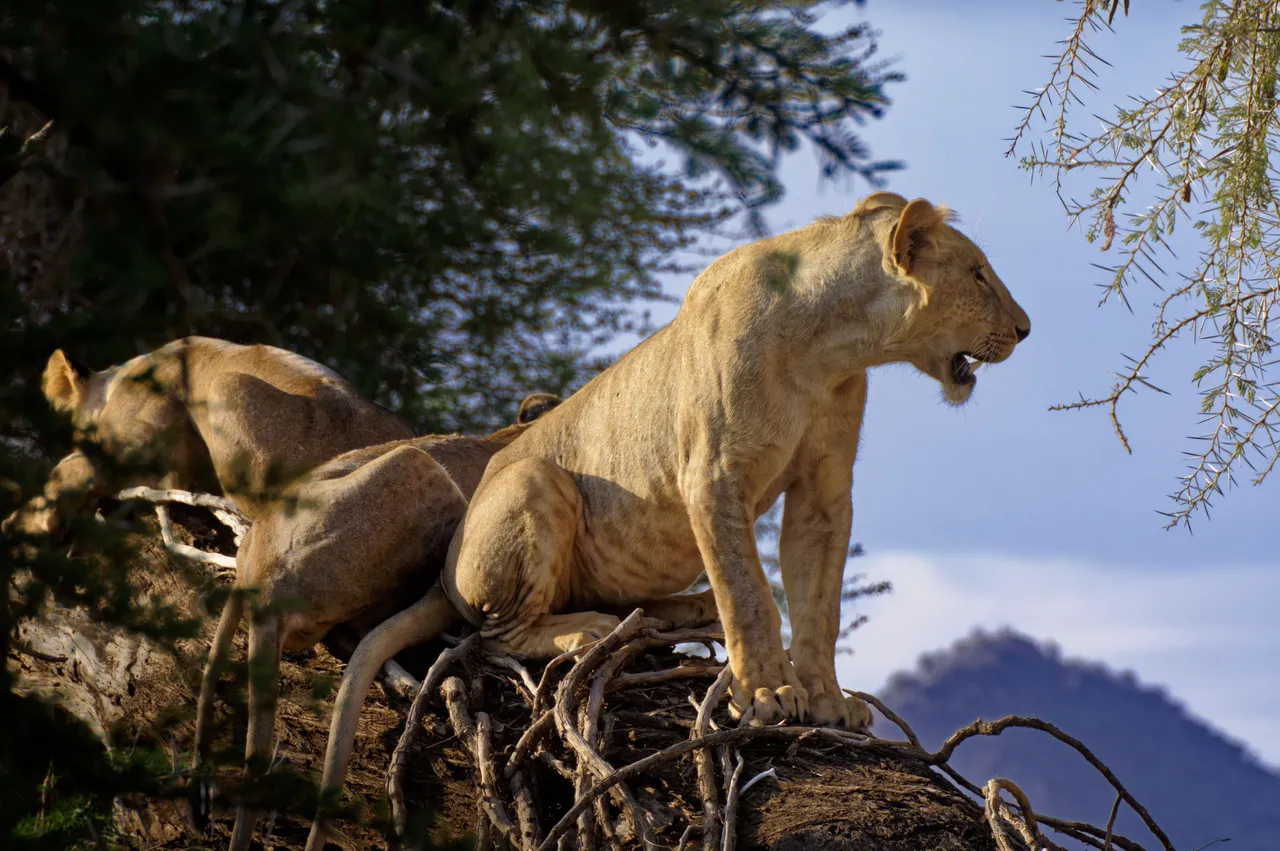
Samburu National Reserve
Hot, dry northern Kenya, where the Ewaso Ng'iro river draws elephants, leopards and species you won't see in the south.
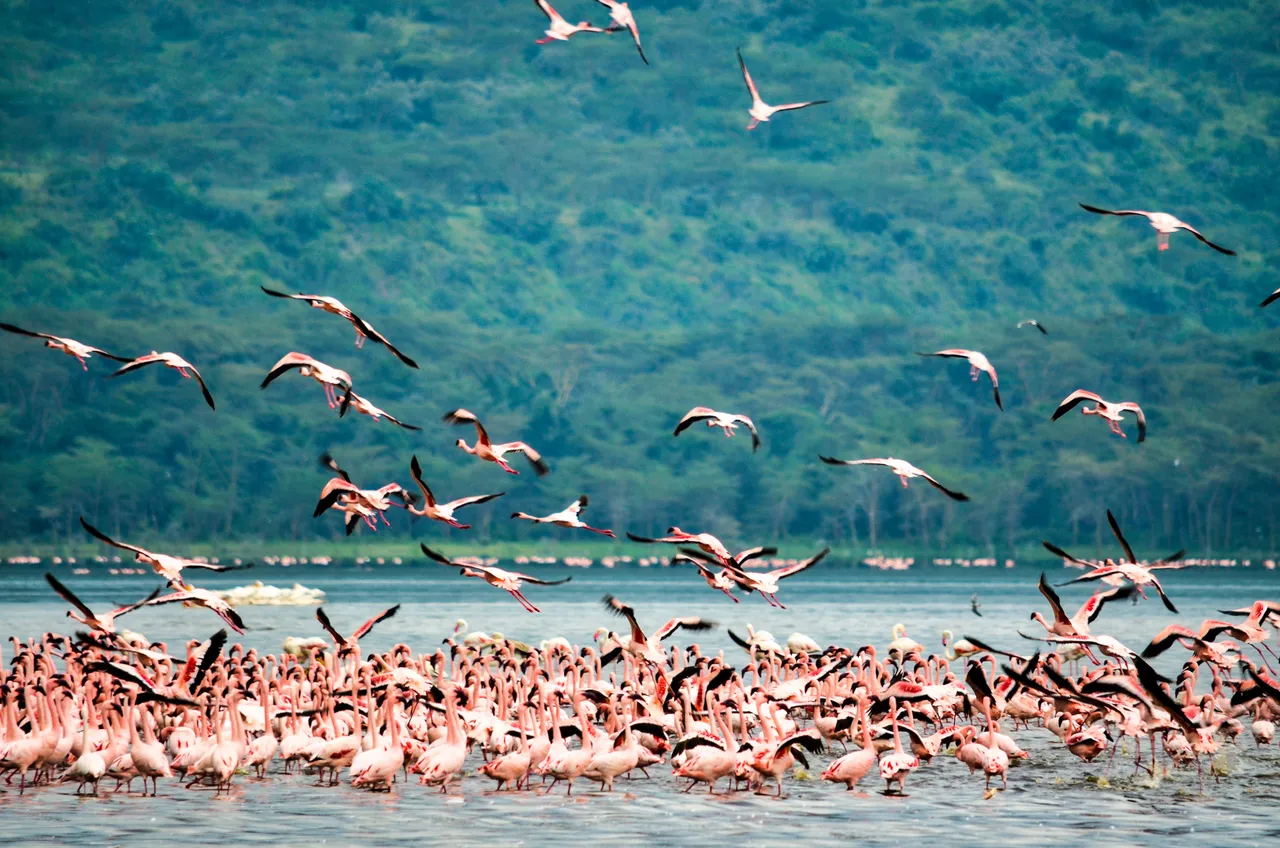
Lake Nakuru National Park
A small, fenced Rift Valley park that's one of Kenya's most reliable places to see both black and white rhino.
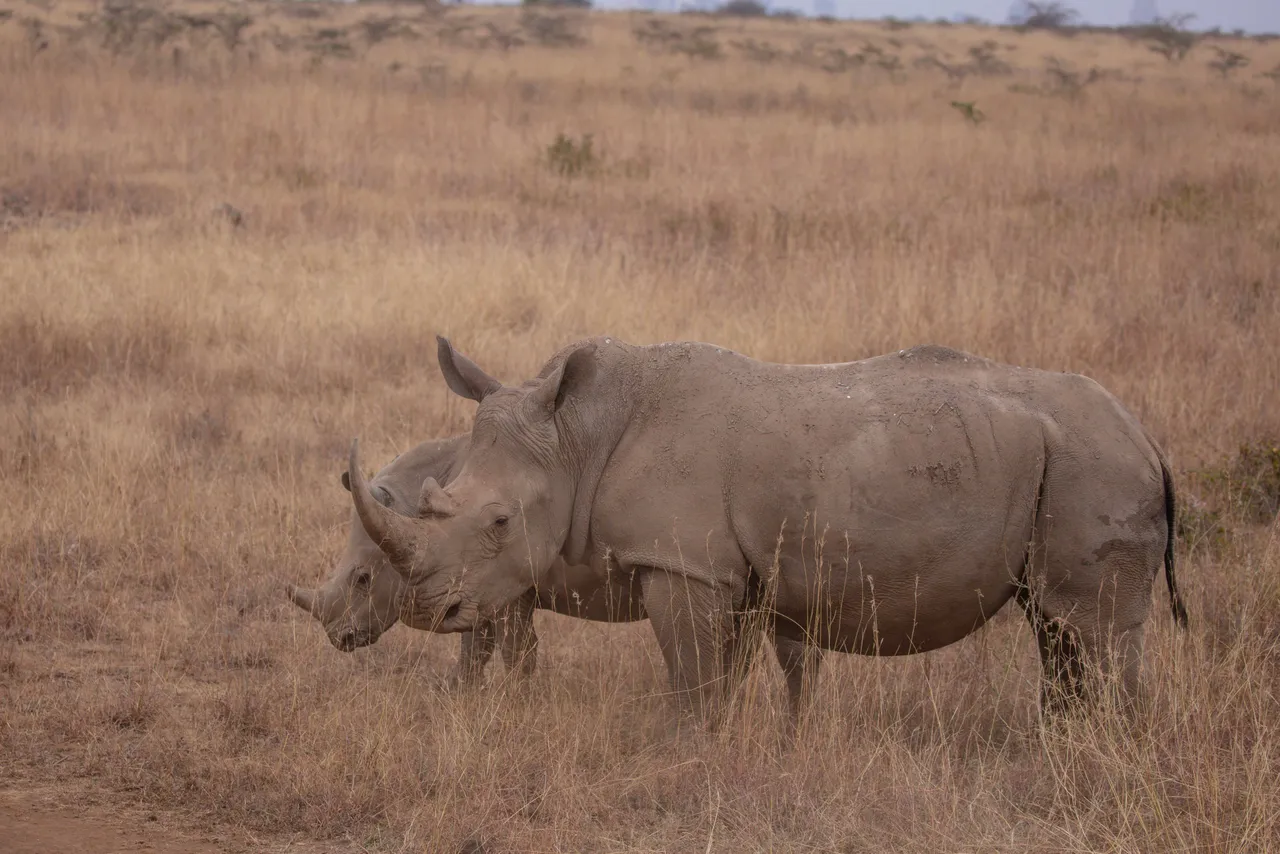
Ol Pejeta Conservancy
A working conservancy at the foot of Mount Kenya, home to East Africa's largest black rhino population.
Nairobi National Park
Lions and rhinos with the city skyline behind them, just 20 minutes from the centre.
City guides
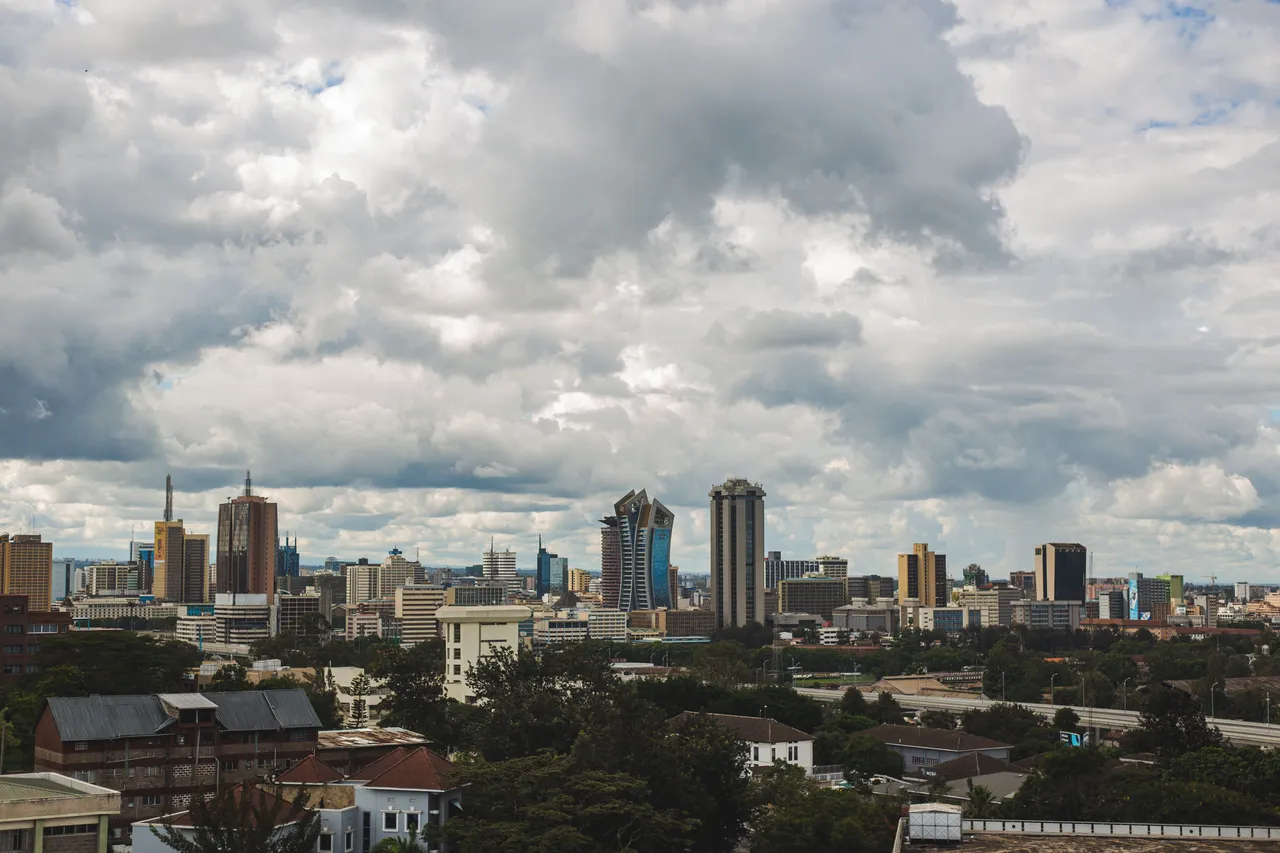
Nairobi Travel Guide for Safari Travellers
East Africa's biggest hub: a city with a national park at its edge and enough to fill a spare day or two.
Itineraries that include Kenya
Kenya Classic: Lake Nakuru and Maasai Mara in 7 Days
A seven-day Kenya safari from Nairobi: rhinos and flamingos at Lake Nakuru, then three nights in the Maasai Mara, with a flight back and honest notes on cost.
Amboseli and Tsavo Safari: 6 Days Under Kilimanjaro
A six-day Kenya safari through Amboseli's elephants and Tsavo's red-dust wilderness, with the option to finish on the coast by train. Good value, fewer crowds.
Kenya Safari and Diani Beach: 9 Days
Three nights in the Maasai Mara, then four on Diani Beach: a nine-day Kenya trip that mixes big game with white sand, with flights linking each stop.
Kenya travel questions
Do I need a visa for Kenya?
Most visitors need an Electronic Travel Authorisation (eTA), which replaced the visa for many nationalities. As of September 2026 the standard fee is about US$30 and processing normally takes up to three working days, so apply well before you travel through the official portal at etakenya.go.ke. Rules differ by nationality, so check before you book. See our visa guide.
When is the best time to visit Kenya?
July to October for the Great Migration in the Maasai Mara, and January to February for warm, dry weather with fewer crowds. April and May are the long rains and are quiet. November is usually lighter rain. The coast is hot and humid most of the year, with the best beach weather in January to March and July to October.
How much does a Kenya safari cost?
A mid-range safari usually works out at roughly US$300 to US$600 per person per night including lodging, meals, park fees and game drives, more in the migration months and at luxury camps. Camping and budget options start lower. See the safari cost guide.
Is Kenya safe for tourists?
Safari areas and the tourist coast see millions of visitors without incident, and standard precautions apply in Nairobi and Mombasa: use ride-hailing at night, don't display valuables, and follow local advice. Check your government's travel advice, which flags some border regions and areas to avoid. See the safety guide.
Can I combine Kenya with Tanzania or Uganda?
Yes, and many people do. The Maasai Mara connects with the Serengeti across the border, though most travellers fly between the two. Nairobi is also a common start or end point for trips into Uganda and Rwanda. Plan extra time for border transfers and flights.
Last updated 20 September 2026. Entry rules and fees change, so check the official immigration site before you travel.