Quick facts
- Country
- Kenya
- Nearest gateway
- Nairobi (about 4-5 hours by road, or a 45-minute flight)
- Best time
- June to October and January to February
- Size
- About 390 sq km
- Altitude
- About 1,100 m
- Managed by
- Kenya Wildlife Service
- Kilimanjaro views
- Best at dawn and in the dry season
- Rhino
- No resident rhinos
What makes Amboseli different
Amboseli sits at the foot of Kilimanjaro, though the mountain itself is across the border in Tanzania. The park is a mix of dry lake bed, open plains and swamps fed by snowmelt that filters underground from the mountain. In a dry year those green swamps are where everything congregates, and it’s easy to watch elephants, buffalo, hippos and hundreds of birds in a single sweep.
The elephants are the headline. Amboseli has been the site of long-running elephant research since the 1970s, which means many of the animals are known individually and the herds tolerate vehicles calmly. You’ll see families with tiny calves, bulls with long tusks and matriarchs leading the group along the same routes their mothers used.
When to go
The dry months are the sweet spot: June to October, plus January and February. Grass is short, animals cluster near the swamps, and the air is clearer for mountain views. The long rains from March to May turn parts of the park to mud, and the mountain often disappears. November is a short-rains month and can still be productive.
Dust is the trade-off. It’s a real feature of the dry season, so bring a scarf and protect your camera equipment.
Getting to Amboseli
By road from Nairobi it’s roughly four to five hours, depending on the traffic through the city and the state of the last stretch. The route runs through Emali or Namanga, and the roads have improved considerably in recent years. Flights from Wilson Airport take about 45 minutes and land at the Amboseli airstrip near Ol Tukai, which is a good option if you only have a couple of nights.
Amboseli combines naturally with Tsavo West on the way to the coast, and with the Maasai Mara if you fly.
What does it cost?
Kenya Wildlife Service sets the daily conservation fee for non-resident adults, and the tariff has been revised in recent years, so confirm the current figure on the KWS site before you book. Fees are per 24 hours and are usually included in the price of a package safari. Lodges range from simple camps just outside the park to comfortable tented camps inside it. Many guests find the best value in the group ranches bordering the park, which are cheaper and quieter but need a short drive to the gate.
Beyond elephants
Lions and cheetahs are present but harder to find than in the Mara. Giraffes, zebras, wildebeest, gazelles and a few spotted hyenas fill in the plains. Birders will enjoy the swamps, where pelicans, crowned cranes, kingfishers and Egyptian geese are common. From Observation Hill you get a view of the swamp mosaic and, on a clear evening, of Kilimanjaro at sunset.
There are no resident rhinos in the park. If seeing rhino matters to you, plan to add Lake Nakuru or Ol Pejeta.
Communities around the park
The land around the park is owned by Maasai families, and a growing number of lodges are community-owned or lease arrangements that pay a fee to local landowners. If you plan to visit a village, ask your driver in advance how the visit is set up and who benefits. You’ll get a much better experience from a short, unscripted visit than a scheduled dance performance.
What you can do here
- Game drives
- Photography of elephants against Kilimanjaro
- Sundowners on Observation Hill
- Birdwatching in the swamps
- Visiting a Maasai village
Amboseli National Park: common questions
How many days do you need in Amboseli?
Two nights is enough for most people, and it fits neatly between Nairobi and either the Maasai Mara or Tsavo. The park is small and the elephants are easy to find, so a third night mostly buys you more time for photography and birds.
Can you always see Kilimanjaro from Amboseli?
No. The mountain is usually hidden by cloud from mid-morning, and in the wet months it can stay hidden for days. Your best chance is the first hour after sunrise, especially between June and October. Treat a clear summit as a bonus and the elephants as the main event.
Is Amboseli dusty?
Very, in the dry months. The old lake bed is fine volcanic soil that lifts into the air whenever a vehicle passes. Bring a scarf or buff, keep camera bags zipped, and expect to wash your hair every evening.
Is Amboseli good for photographers?
It's one of the best places in Africa for elephant photography, because the herds are large, relaxed around vehicles and often move across open ground with the mountain behind them. The catch is heat haze after about 9am, so plan your key drives for early morning and late afternoon.
How does Amboseli compare with the Maasai Mara?
Amboseli has denser elephant sightings and a famous backdrop but fewer predators and no migration. The Mara wins for lions, cheetah and river crossings. Many first-time visitors do both, spending two nights here and three or four in the Mara.
Trips that include Amboseli National Park
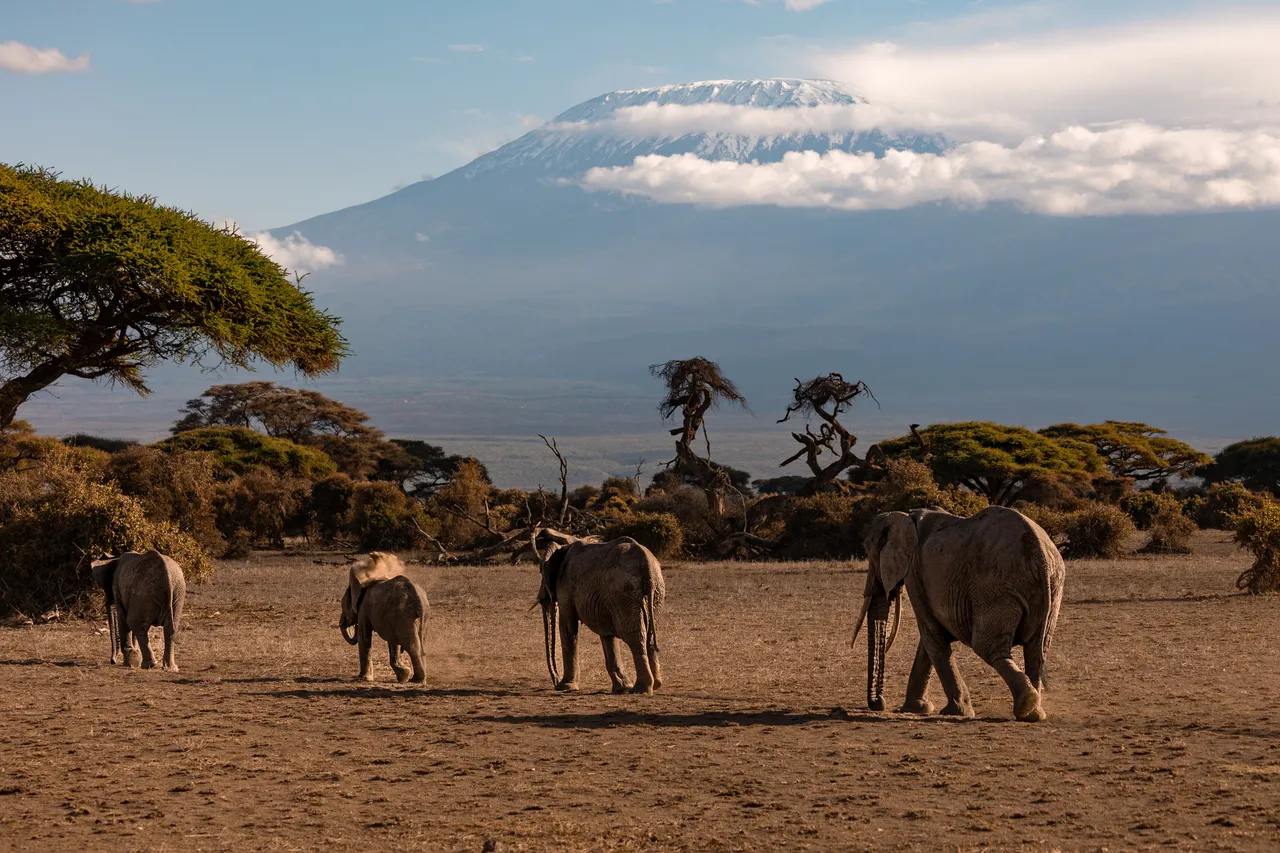
Amboseli and Tsavo Safari: 6 Days Under Kilimanjaro
A six-day Kenya safari through Amboseli's elephants and Tsavo's red-dust wilderness, with the option to finish on the coast by train. Good value, fewer crowds.
Nearby and similar parks
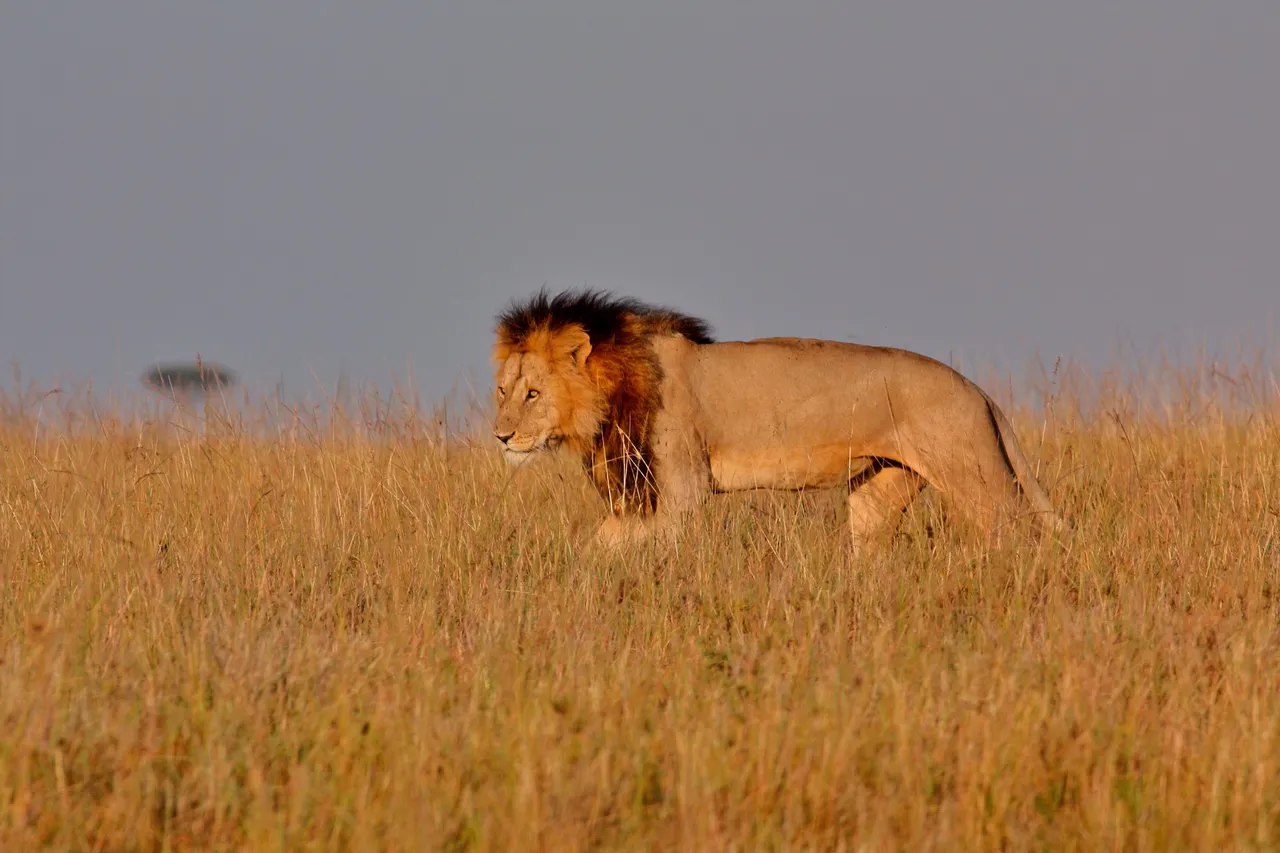
Maasai Mara National Reserve
Kenya's best-known reserve: big cats all year and the Mara River crossings from July to October.
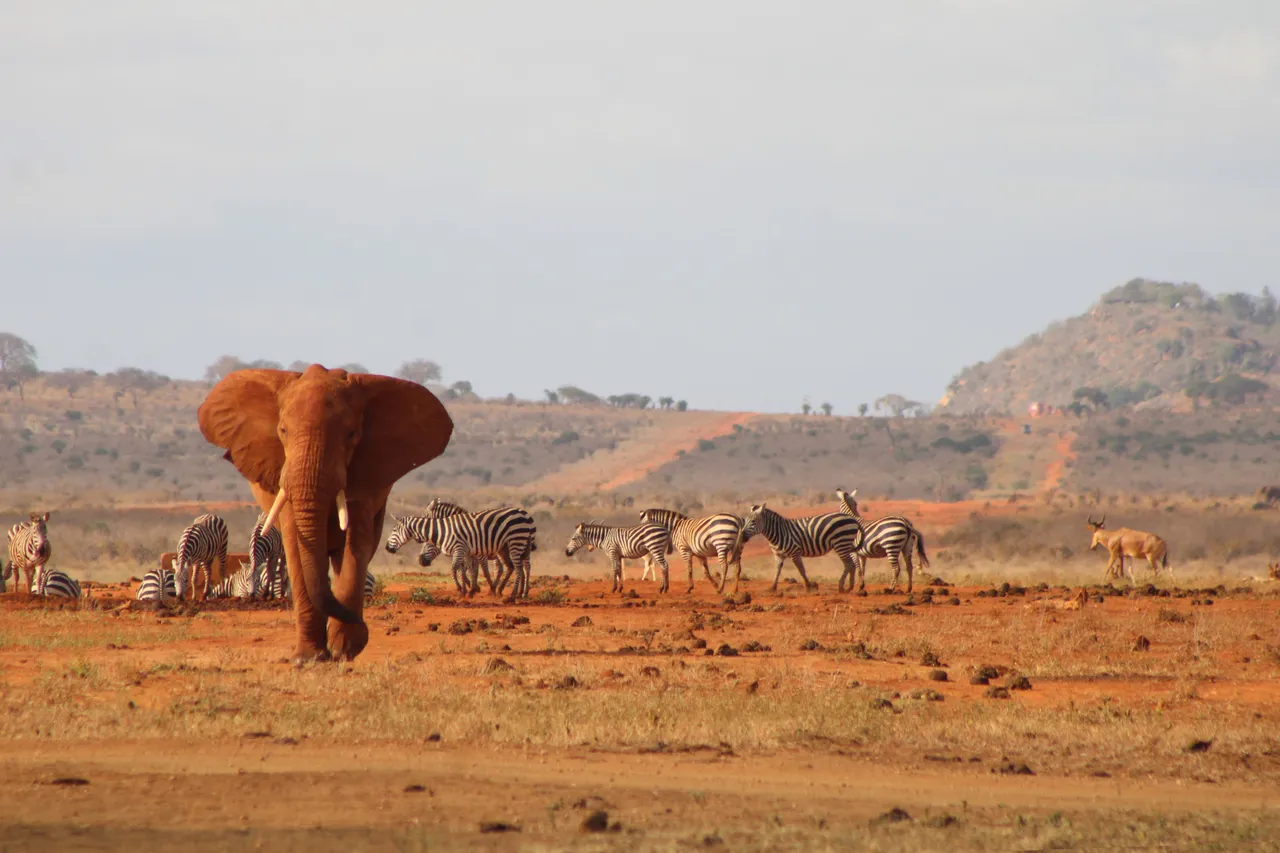
Tsavo East and Tsavo West National Parks
Kenya's biggest park pair: red-dusted elephants, huge skies and an easy bolt-on to the coast.
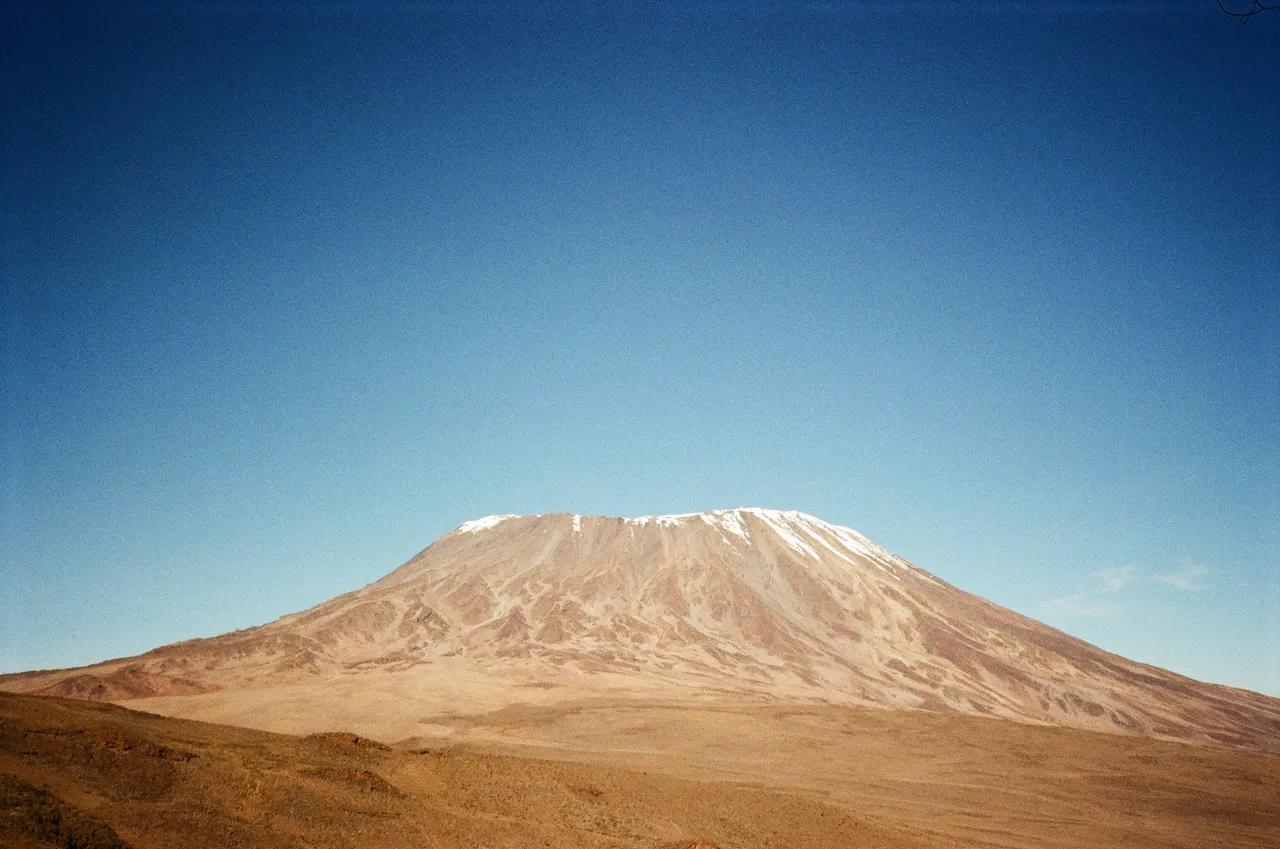
Mount Kilimanjaro National Park
Africa's highest mountain: a non-technical climb through five climate zones that still defeats a lot of people.
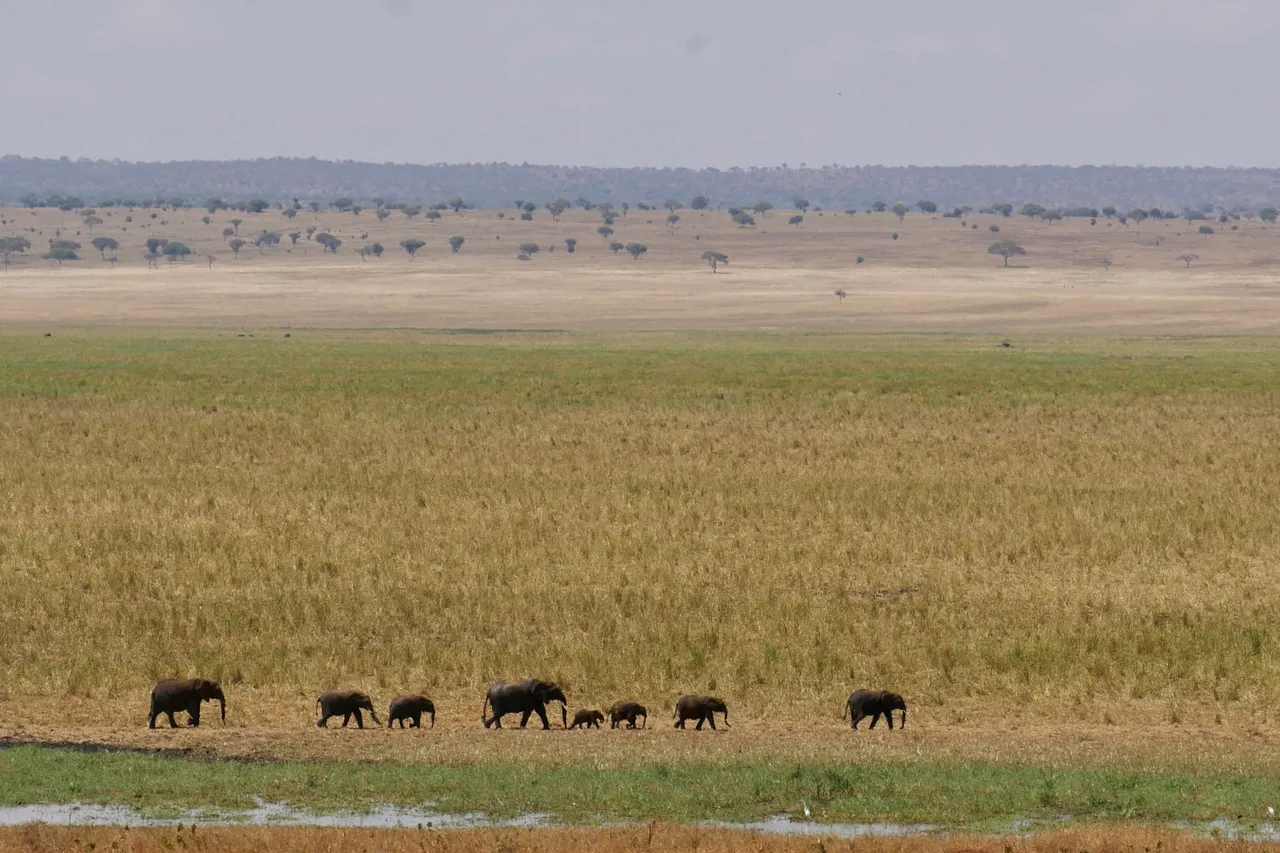
Tarangire National Park
Baobab-dotted hills and some of Tanzania's biggest elephant herds, best from June to October.
Last updated 20 September 2026. Fees, permit prices and access rules change; we check them against official sources and operators, but confirm the current figure before you pay. Rift & Reef is not an official park authority.