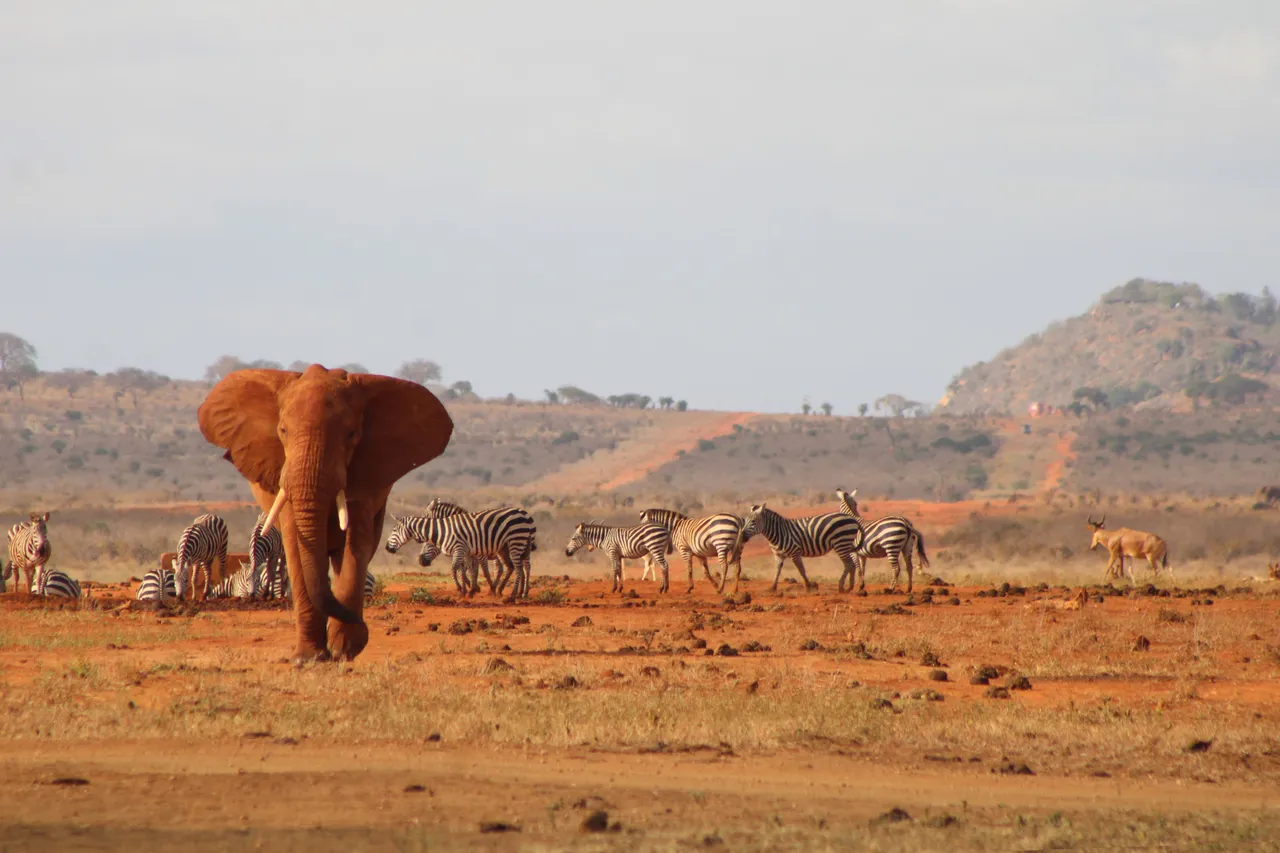
 Photo: supplied by East Africa Trails
 Quick facts
- Country
- Kenya
- Nearest gateway
- Mombasa or Nairobi (Voi is the key town; the SGR train stops there)
- Best time
- June to October and January to February
- Size
- About 21,000 sq km combined
- Two parks
- Tsavo East (open plains) and Tsavo West (hills, springs, lava)
- Managed by
- Kenya Wildlife Service
- Malaria risk
- Present; take medical advice
- Road access
- Mombasa Road, then Voi, Manyani or Mtito Andei gates
Two parks, one big landscape
Tsavo is the largest protected area in Kenya, and it’s usually described as two parks because that’s how the roads and gates work. Together they cover more ground than some small countries. The scale is a large part of the appeal. You can drive for an hour and see nobody else, which is a very different experience from busy parts of the Maasai Mara.
The elephants are the famous animals here, and the red dust that colours them makes for some striking pictures. Herds can be big in the dry season when water is limited, and Tsavo holds one of the largest elephant populations in Kenya. Lions, leopards, buffalo, giraffe and plains game are all present, though the thick bush means sightings need patience.
Tsavo East
Tsavo East is the flatter half. It’s an open, red-soil landscape cut by the Galana River, where you can see crocodiles and hippos near Lugard’s Falls, which is really a series of rapids through eroded rock. Yatta Plateau, the world’s longest lava flow, runs along the park’s western edge. The dry country also suits gerenuk, beisa oryx and lesser kudu.
Many visitors come here by road from Mombasa and Diani. Voi gate is the usual entry point, and several lodges sit close to the Galana River and the Aruba Dam.
Tsavo West
Tsavo West is more varied. Mzima Springs is the standout: crystal-clear water fed by underground streams from the Chyulu Hills, home to hippos and crocodiles, with an underwater viewing chamber. The Ngulia Rhino Sanctuary protects black rhinos, and the Shetani lava flow is a black, rugged reminder of relatively recent volcanic activity. Views of Kilimanjaro are possible from the northern part of the park in clear weather.
When to go
June to October is the most reliable stretch, plus January and February. Animals concentrate near the rivers and waterholes and the bush is easier to see through. The long rains from April to May can make some tracks impassable, and many lodges offer discounts. Temperatures are hot year-round, especially in Tsavo East.
Getting there and how long to stay
From Nairobi, Tsavo West’s Mtito Andei gate is about 3.5 hours by road along the Mombasa Road. From Mombasa, Voi is around 150 km and takes roughly two and a half hours. The Standard Gauge Railway (Madaraka Express) also stops at Voi, and some lodges will collect you from the station.
For a compact trip, spend two nights in one park and add a third if you want the second. Tsavo pairs well with Amboseli on a Nairobi-to-coast route, and it’s the easiest safari to bolt onto a beach stay. See our Kenya safari and Diani Beach itinerary.
Fees and costs
Kenya Wildlife Service sets daily conservation fees for non-resident adults, usually paid per 24 hours, and the tariff is revised periodically. Check the current rate on the KWS site. Costs for lodging are generally lower than in the Mara, and Tsavo is one of the better value safari options in Kenya, especially in the low season.
What you can do here
- Game drives
- Mzima Springs walk
- Ngulia Rhino Sanctuary
- Lugard's Falls and the Galana River
- Shetani lava flow
- Birdwatching
Tsavo East and Tsavo West National Parks: common questions
Why are the elephants red?
They're not naturally that colour. The soil in Tsavo is rich in iron oxide, and elephants dust and mud-bathe in it. It clings to their skin and turns them a rusty red until the next rain washes it off.
What's the difference between Tsavo East and Tsavo West?
Tsavo East is flat, open and dry, with long views, big herds of elephant and buffalo, and the Galana River. Tsavo West is hillier and greener, with Mzima Springs, the Shetani lava flows and the Ngulia Rhino Sanctuary. If you only have time for one, Tsavo East is easier for wildlife and Tsavo West is better for scenery and rhinos.
Can you do Tsavo as a short trip from Mombasa?
Yes. Voi gate is around two and a half hours by road from Mombasa or Diani, and several operators run two- or three-day safaris from the coast. It's a sensible way to add wildlife to a beach holiday without flying.
Are the Tsavo lions really maneless?
Many male lions in Tsavo East have little or no mane, which is thought to be a response to the heat and thick bush. They're the same species as any other lion, but the look is distinctive. The Tsavo man-eaters of 1898, which halted the building of the Uganda Railway, are the origin of the area's reputation.
How many days should you spend in Tsavo?
Two nights covers the highlights of one park. Three or four nights lets you see both, which is worth doing if you enjoy long, quiet drives and don't need a wildlife spectacle every hour.
Trips that include Tsavo East and Tsavo West National Parks
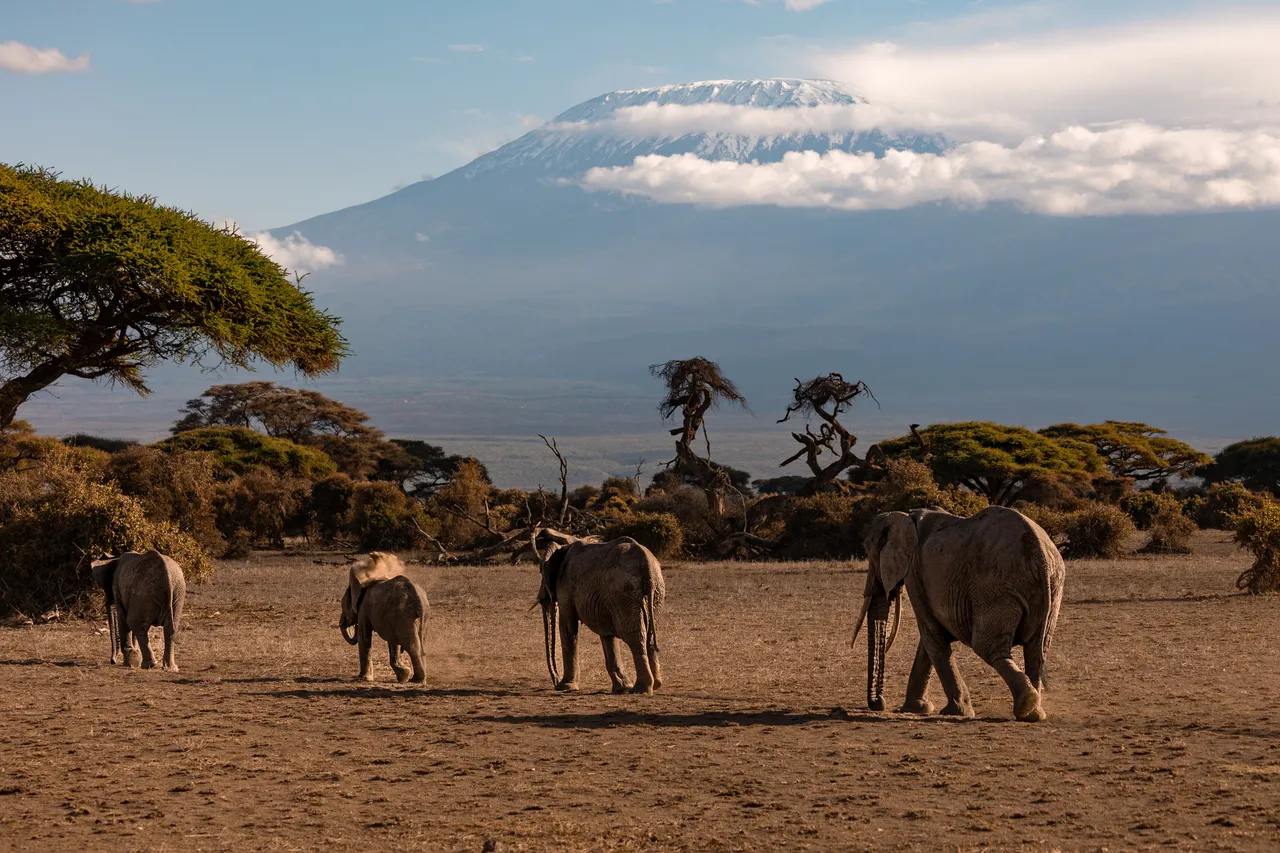
Amboseli and Tsavo Safari: 6 Days Under Kilimanjaro
A six-day Kenya safari through Amboseli's elephants and Tsavo's red-dust wilderness, with the option to finish on the coast by train. Good value, fewer crowds.
Nearby and similar parks
Amboseli National Park
Big-tusked elephants walking toward Kilimanjaro. Come for the picture, stay for the herds.
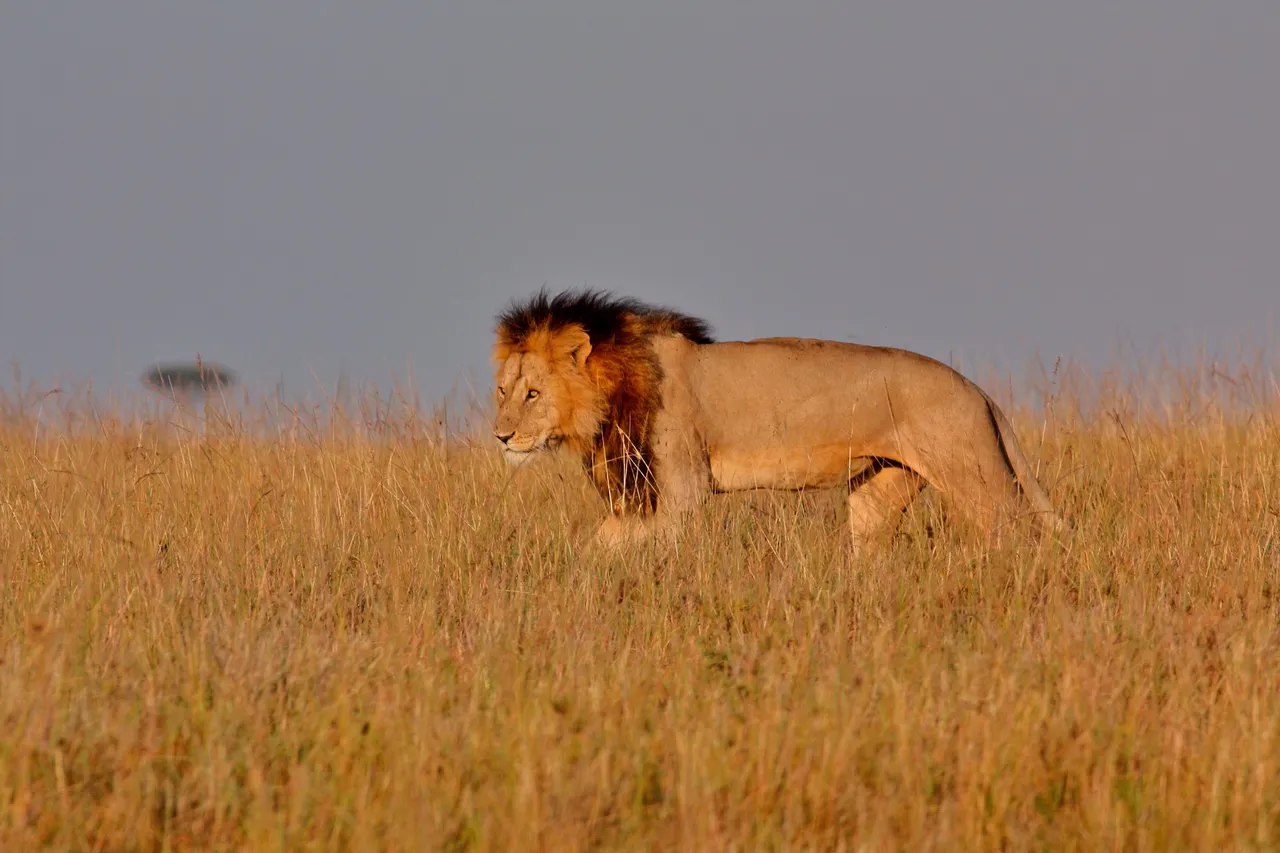
Maasai Mara National Reserve
Kenya's best-known reserve: big cats all year and the Mara River crossings from July to October.
Nairobi National Park
Lions and rhinos with the city skyline behind them, just 20 minutes from the centre.
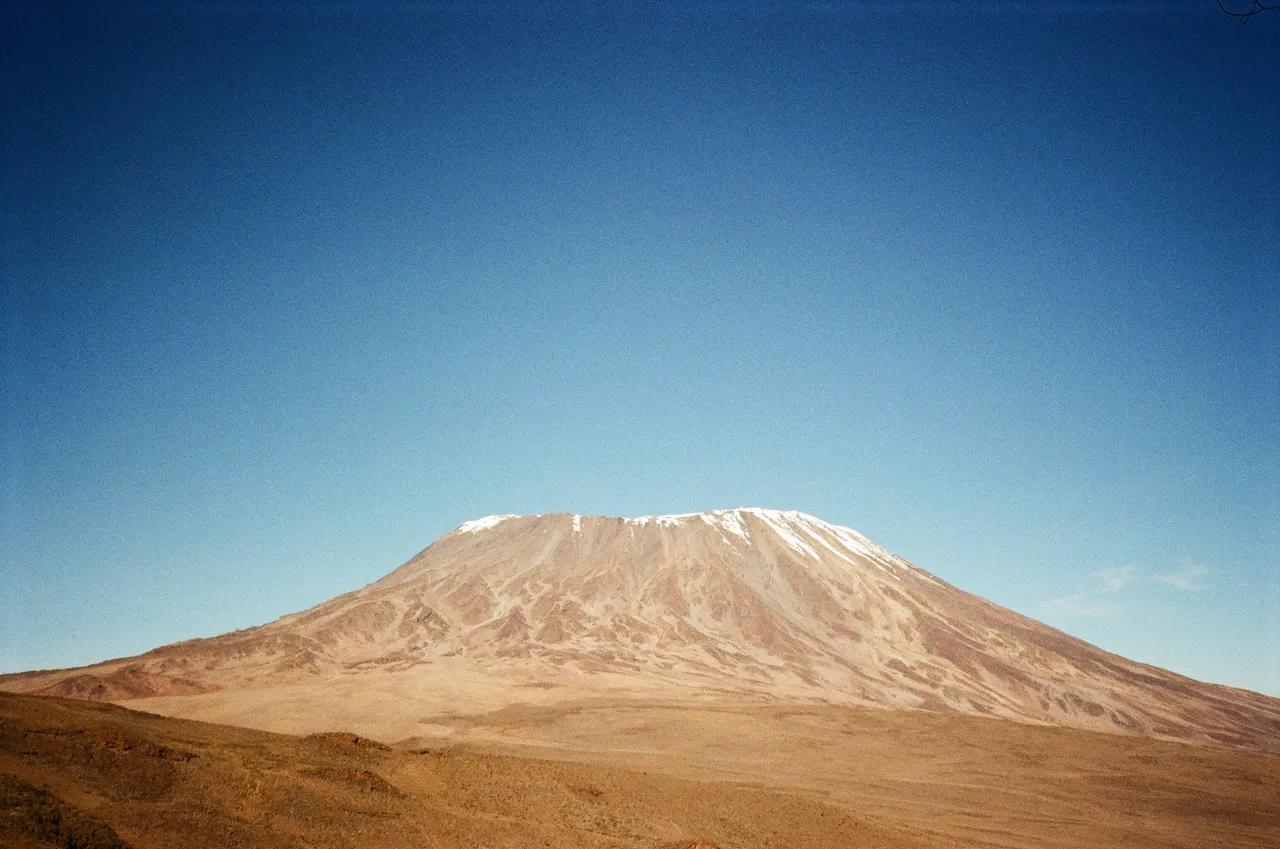
Mount Kilimanjaro National Park
Africa's highest mountain: a non-technical climb through five climate zones that still defeats a lot of people.
Last updated 20 September 2026. Fees, permit prices and access rules change; we check them against official sources and operators, but confirm the current figure before you pay. Rift & Reef is not an official park authority.