Quick facts
- Country
- Kenya
- Nearest gateway
- Nairobi (20-40 minutes from the centre, depending on traffic)
- Best time
- Year-round; dry months June to October are easiest
- Size
- About 117 sq km
- Established
- 1946, Kenya's first national park
- Time needed
- A half day (3-4 hours)
- Fencing
- Fenced on the city side, open to the south
- Managed by
- Kenya Wildlife Service
Wildlife on the city’s edge
Nairobi National Park is one of very few wildlife parks anywhere that borders a capital city. On one side, high-rise buildings and jets on approach to Jomo Kenyatta International Airport; on the other, savanna, forest and hills where lions hunt and giraffes graze. It has been a national park since 1946.
The park is fenced on the city side, but open to the south, where animals can move into the Athi-Kapiti plains during the wet season. That corridor is essential for the park’s long-term health, and pressure from development around it is a serious concern for conservationists.
What you’ll see
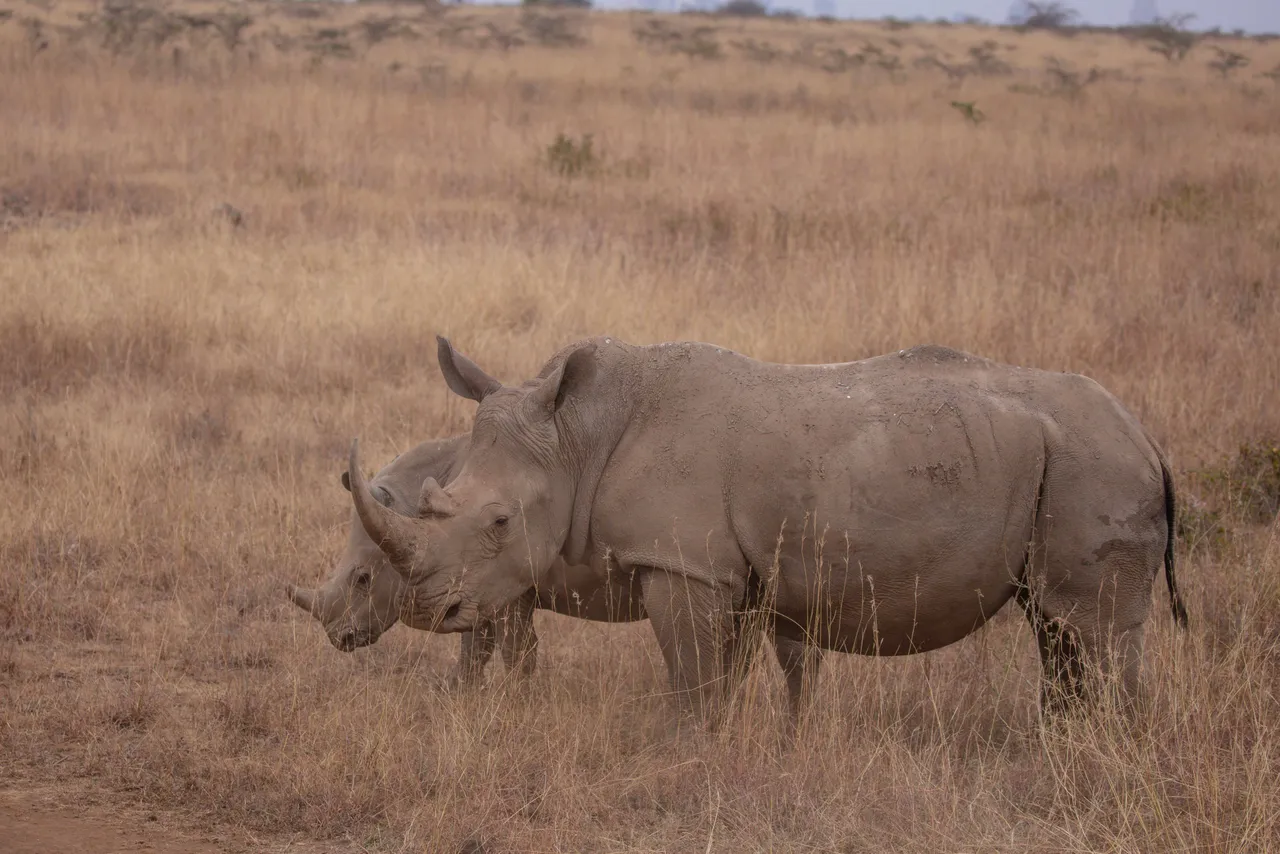
Lions are the main draw and are regularly seen. Black rhinos live here in reasonable numbers, and the park has an active rhino-protection programme. You’ll also see giraffes, zebras, wildebeest, buffaloes, elands and a wide range of birds. Hippos and crocodiles live at the Mbagathi pools, and you can walk there with a ranger.
Elephants and cheetahs are less common but not impossible, and leopards live in the forest sections. Views of animals with skyscrapers in the background are some of the most distinctive photographs in Kenya.
When to go
The park can be visited all year. The dry months from June to October make the roads easiest and animals gather near water. Early-morning and late-afternoon drives are best for wildlife and light. During the rains, some tracks become muddy, and the park is greener and quieter.
Getting there
The main gate is about 7 km from the city centre, and traffic is the main variable. Allow 30 to 45 minutes from central Nairobi at peak times and 20 minutes on a quiet Sunday morning. Most hotels can arrange a driver or a shared safari, and ride-hailing apps such as Uber and Bolt run to the gate, though you’ll want a driver with a proper vehicle once you’re inside.
What to combine it with
The park is close to several of the city’s best-known attractions, so a good day can include:
- The Sheldrick Wildlife Trust elephant orphanage, open to the public for an hour each day (book ahead).
- The Giraffe Centre, where you can feed Rothschild’s giraffes from a raised platform.
- The Karen Blixen Museum and the Nairobi National Museum.
You can see all of that and the park in a long day. Read the Nairobi city guide for where to stay and how to get around.
Costs
Kenya Wildlife Service sets a daily conservation fee for non-resident adults, paid per visit. A half-day safari with a driver costs much less than a full safari package. If you’re travelling on to the Maasai Mara or Amboseli, this is an inexpensive way to spend a first or last morning.
What you can do here
- Half-day game drive
- Night game drive (special arrangement)
- Hippo pools walk
- Ivory Burning Site Monument
- Birdwatching
- Picnicking
Nairobi National Park: common questions
Is Nairobi National Park worth visiting?
Yes, particularly if you have a spare morning or a long layover. The wildlife is real and the setting is unusual. You won't get the crowds-free plains of the Mara, but you'll see lions, giraffes and often rhinos, and you can be back in the city for lunch.
How long does a visit take?
Three to four hours covers a good circuit. Most people go for a sunrise or late-afternoon drive, and combine it with the nearby Giraffe Centre, the Sheldrick Wildlife Trust elephant orphanage or the Karen Blixen Museum.
Can you see rhinos in Nairobi National Park?
Black rhinos are resident and usually seen in the forested or bushy parts of the park. Sightings aren't guaranteed, but they're better here than in many larger parks.
Do you need a guide?
It's easiest with a guide or driver in a safari vehicle, because they know where the animals are and handle park entry. Self-drive is allowed for registered visitors with a suitable vehicle, but you'll see more with an experienced driver.
Is the park safe?
Yes, when you enter by the main gates and stay in a vehicle. Wildlife is genuinely wild, including lions and buffalo, so you never get out of the vehicle except at designated picnic sites and walking areas.
Trips that include Nairobi National Park
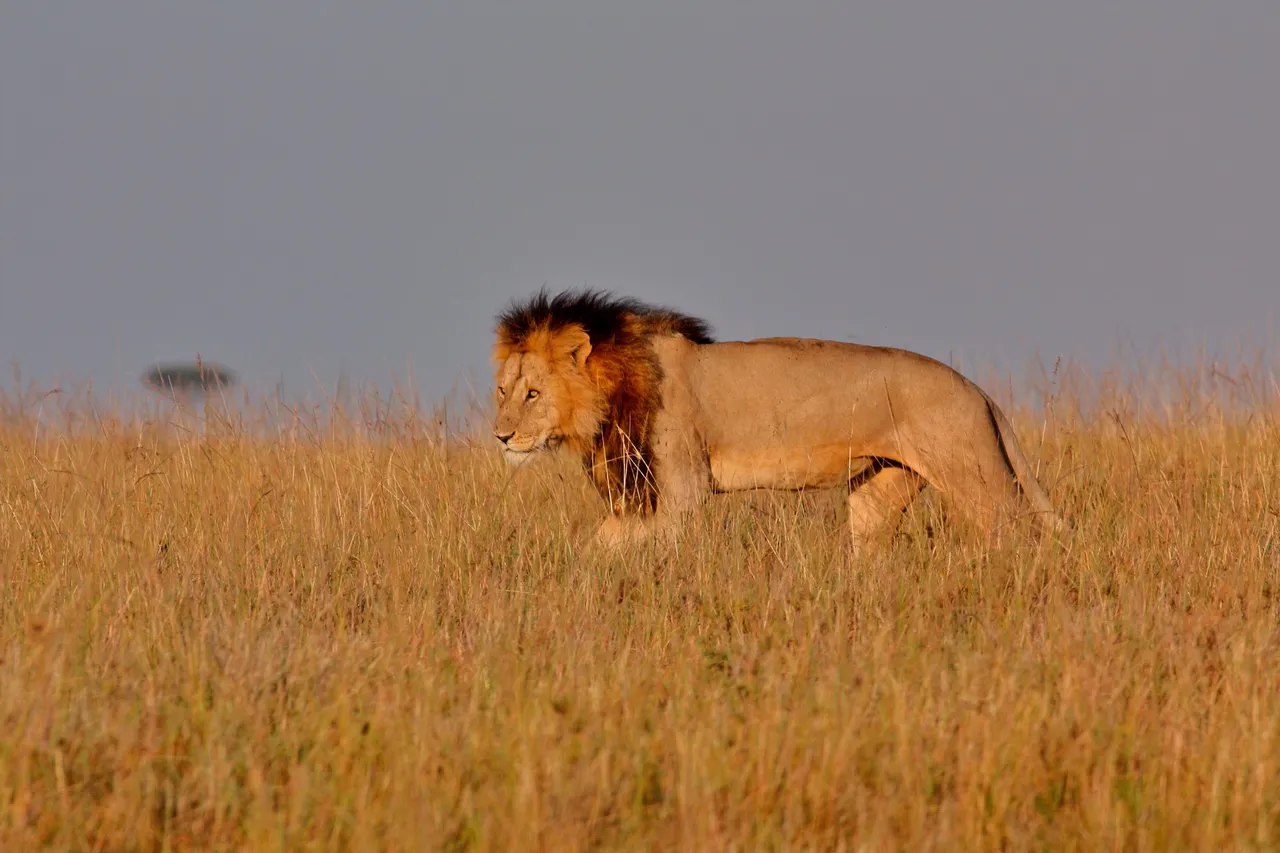
Kenya Classic: Lake Nakuru and Maasai Mara in 7 Days
A seven-day Kenya safari from Nairobi: rhinos and flamingos at Lake Nakuru, then three nights in the Maasai Mara, with a flight back and honest notes on cost.
Nearby and similar parks
Maasai Mara National Reserve
Kenya's best-known reserve: big cats all year and the Mara River crossings from July to October.
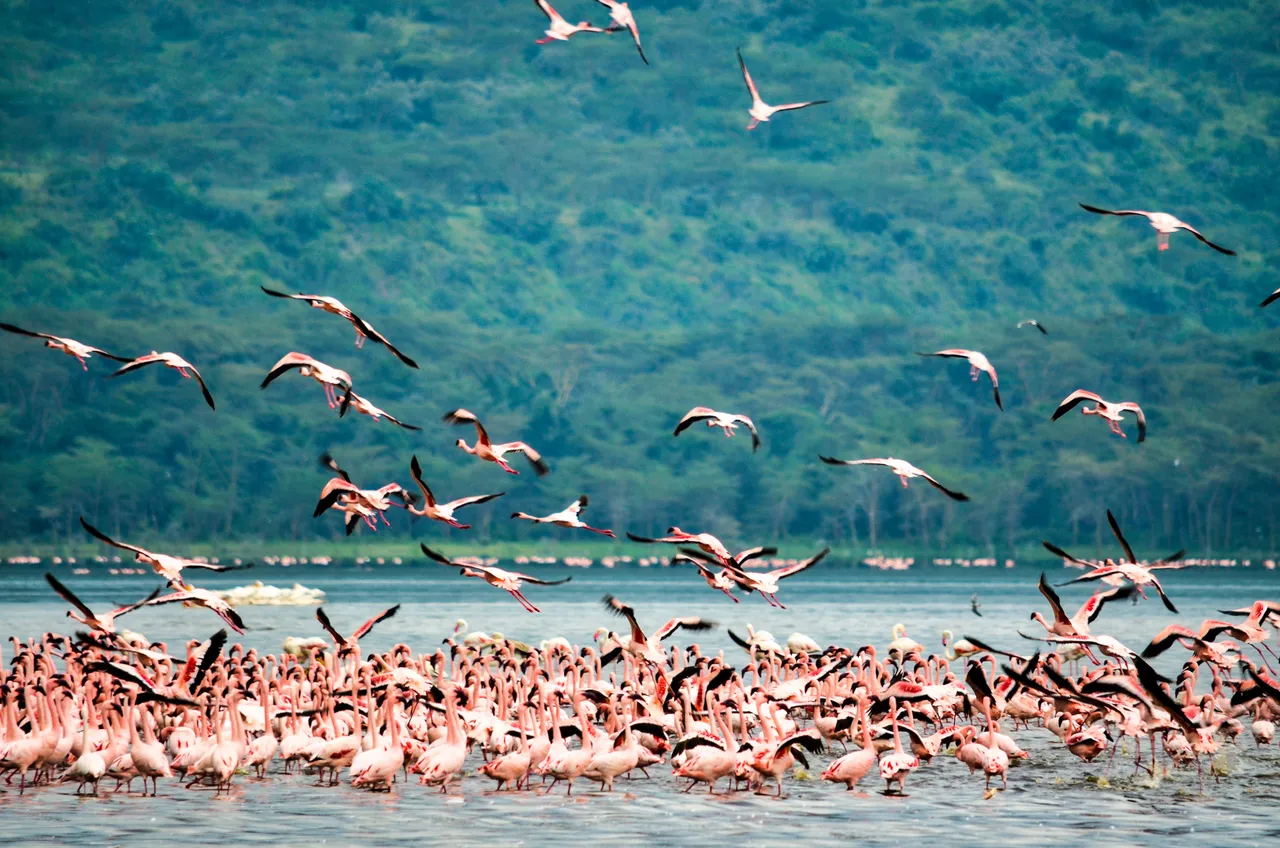
Lake Nakuru National Park
A small, fenced Rift Valley park that's one of Kenya's most reliable places to see both black and white rhino.
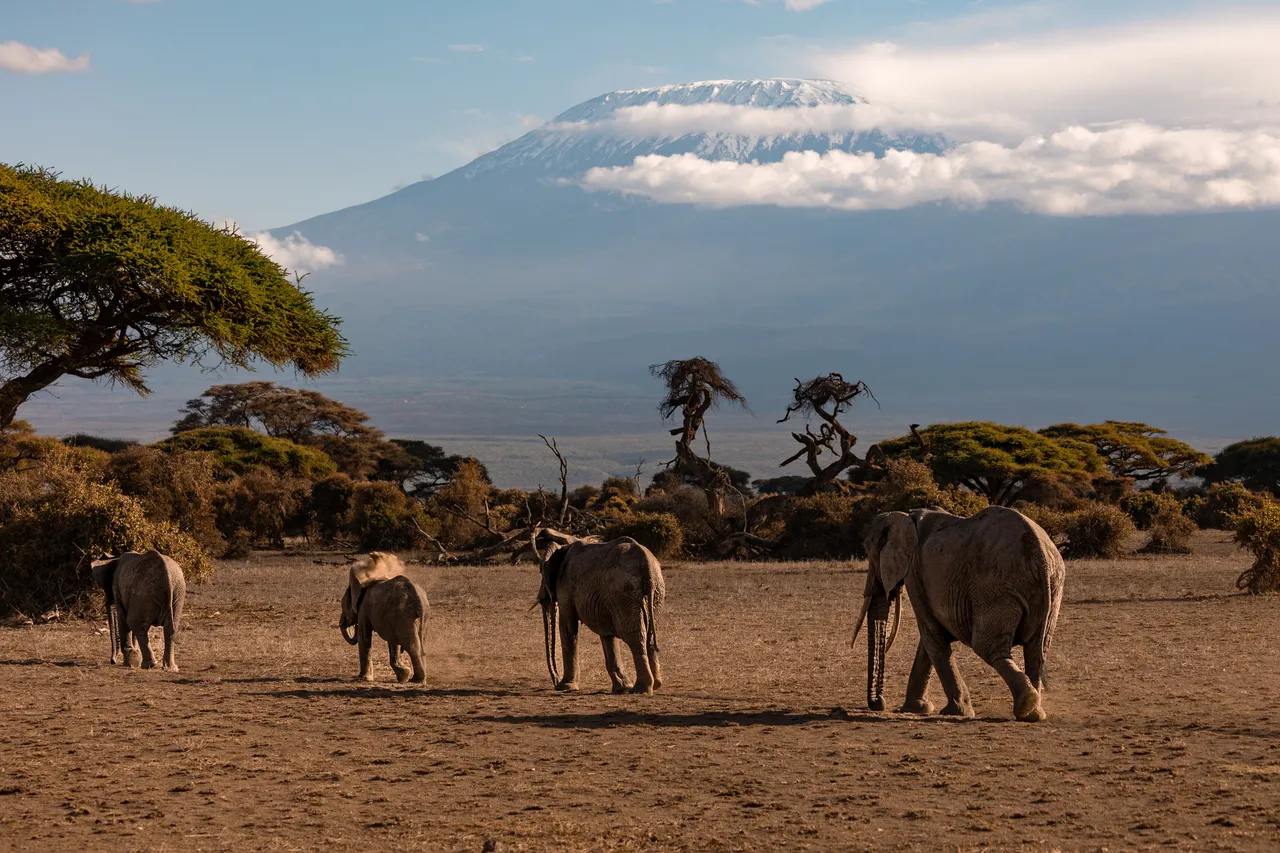
Amboseli National Park
Big-tusked elephants walking toward Kilimanjaro. Come for the picture, stay for the herds.
Ol Pejeta Conservancy
A working conservancy at the foot of Mount Kenya, home to East Africa's largest black rhino population.
Last updated 20 September 2026. Fees, permit prices and access rules change; we check them against official sources and operators, but confirm the current figure before you pay. Rift & Reef is not an official park authority.