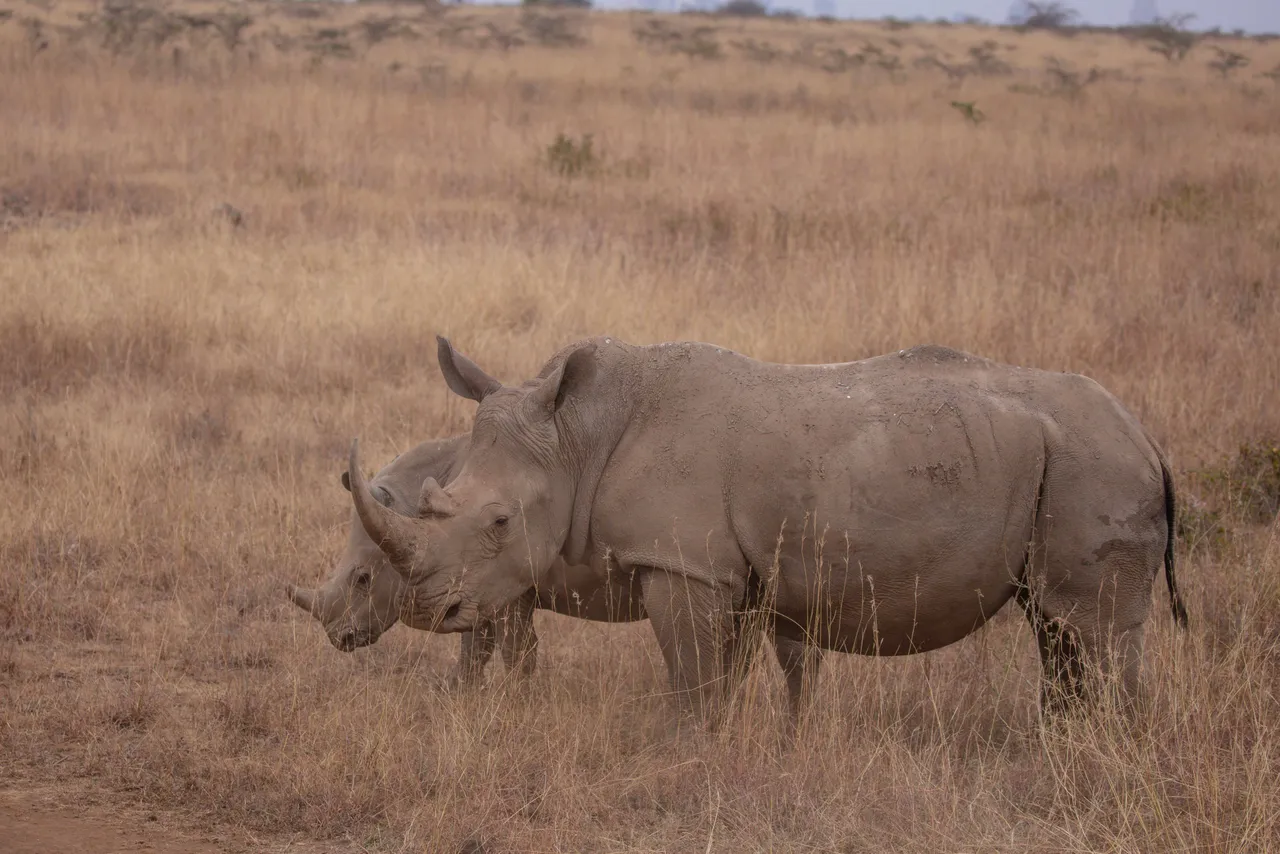
 Photo: supplied by East Africa Trails
 Quick facts
- Country
- Kenya
- Nearest gateway
- Nairobi (about 4 hours by road) or Nanyuki (30 minutes)
- Best time
- June to October and December to March
- Size
- About 360 sq km
- Type
- Non-profit wildlife conservancy
- Big Five
- Yes
- Altitude
- About 1,800 m
- Mount Kenya
- Visible on clear mornings
What Ol Pejeta is
Ol Pejeta is a non-profit conservancy on the Laikipia plateau, with Mount Kenya rising on its eastern edge. Before it became a wildlife area it was a cattle ranch, and cattle still graze the land as part of a management approach that combines conservation with livestock. The land is fenced on some sides, but wildlife moves freely across large stretches of the wider Laikipia landscape.
What makes it unusual is the rhino work. Ol Pejeta holds the largest population of black rhinos in East Africa, and it also protects southern white rhinos. In the sanctuary, two elderly female northern white rhinos are cared for around the clock.
The northern white rhinos
The last two northern white rhinos, Najin and her daughter Fatu, live under armed guard on the conservancy. There are no males left, so the subspecies can’t breed naturally. The conservancy works with scientists on advanced reproduction techniques, using eggs and stored genetic material, with surrogate southern white females.
Visiting them is a sombre and thought-provoking experience. You can spend time with them alongside a keeper, although you won’t be able to approach freely.
What you can do
The freedom that comes with private land makes Ol Pejeta a good place to try things you can’t do in national parks. Night drives look for aardvarks, bush babies and leopards. Guided walks with an armed ranger and a tracker follow rhinos on foot at a safe distance. You can also cycle in designated areas or ride horses.
Lions and cheetahs are regularly seen, along with elephants, zebras, giraffes, buffalo and a huge range of antelopes. The chimpanzee sanctuary is worth a visit for its own sake, but remember that the chimps are rescued animals, not wild.
When to go
Ol Pejeta works year-round. The drier months of June to October and December to March give the clearest views of Mount Kenya and make game drives easier. The long rains from April to May bring green landscapes and lower prices, while the short rains in November are usually light.
Getting there
From Nairobi it’s about four hours by road via Nyeri or Naro Moru. Nanyuki is roughly 30 minutes from the main gate, and scheduled flights connect Nairobi’s Wilson Airport with airstrips at Nanyuki and on the conservancy. It’s a natural first stop on a northern loop with Samburu, and it also works before or after the Maasai Mara.
Fees and accommodation
Ol Pejeta charges conservancy fees per person per day, and the amount changes by season and by visitor category. Accommodation ranges from public campsites and simple lodges to comfortable tented camps and private cottages. Ask whether your package includes conservancy fees, night drives and the sanctuary visit.
What you can do here
- Game drives
- Night drives
- Guided walks
- Cycling
- Sweetwaters Chimpanzee Sanctuary
- Rhino tracking on foot
- Horseback riding
Ol Pejeta Conservancy: common questions
Can you see the northern white rhinos?
Ol Pejeta is home to the last two northern white rhinos in the world, both females. They live in a protected enclosure with armed guards and can be visited in the company of a ranger, but they can't be approached freely. The conservancy is also involved in an assisted-reproduction programme that aims to bring the subspecies back.
What's the difference between a conservancy and a national park?
Ol Pejeta is a private, non-profit conservancy, so it can offer night drives, guided walks and off-road driving that national parks usually don't allow. Fees from visitors go directly into conservation and community programmes.
Are the chimpanzees at Ol Pejeta wild?
No. The Sweetwaters Chimpanzee Sanctuary cares for chimpanzees rescued from other parts of Africa, and they live in large, fenced enclosures. It's a valuable conservation and education project, but it isn't a wild experience. For wild chimps, see Kibale in Uganda.
How long should you spend at Ol Pejeta?
Two nights lets you fit in a morning drive, an afternoon drive, a night drive and a visit to the sanctuary. It also works well as the first stop on a northern circuit that continues to Samburu.
Is Ol Pejeta good for families?
It's one of the better options in Kenya. Because it's a private conservancy, the minimum age for many activities is flexible, the distances are short and the wildlife is easy to find. Some lodges offer child-friendly programmes.
Nearby and similar parks
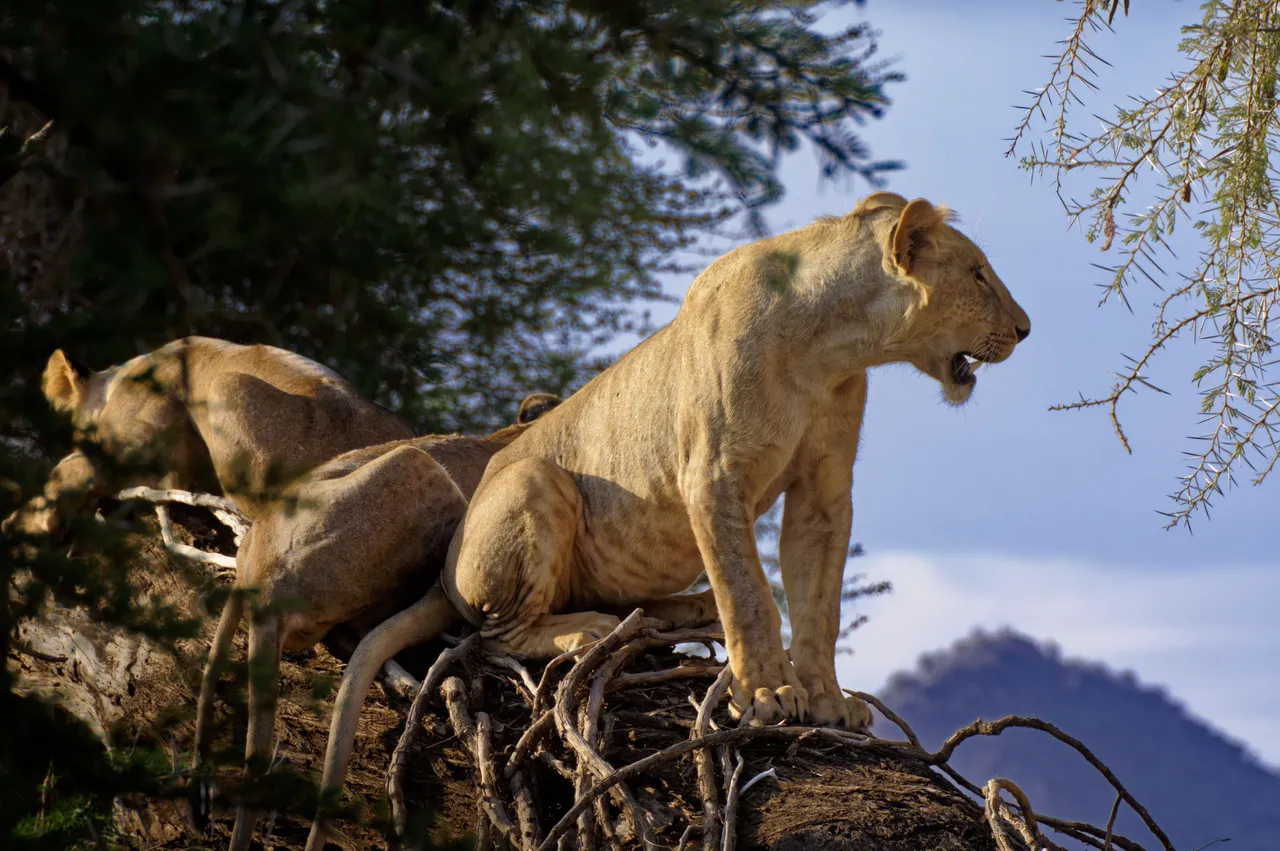
Samburu National Reserve
Hot, dry northern Kenya, where the Ewaso Ng'iro river draws elephants, leopards and species you won't see in the south.
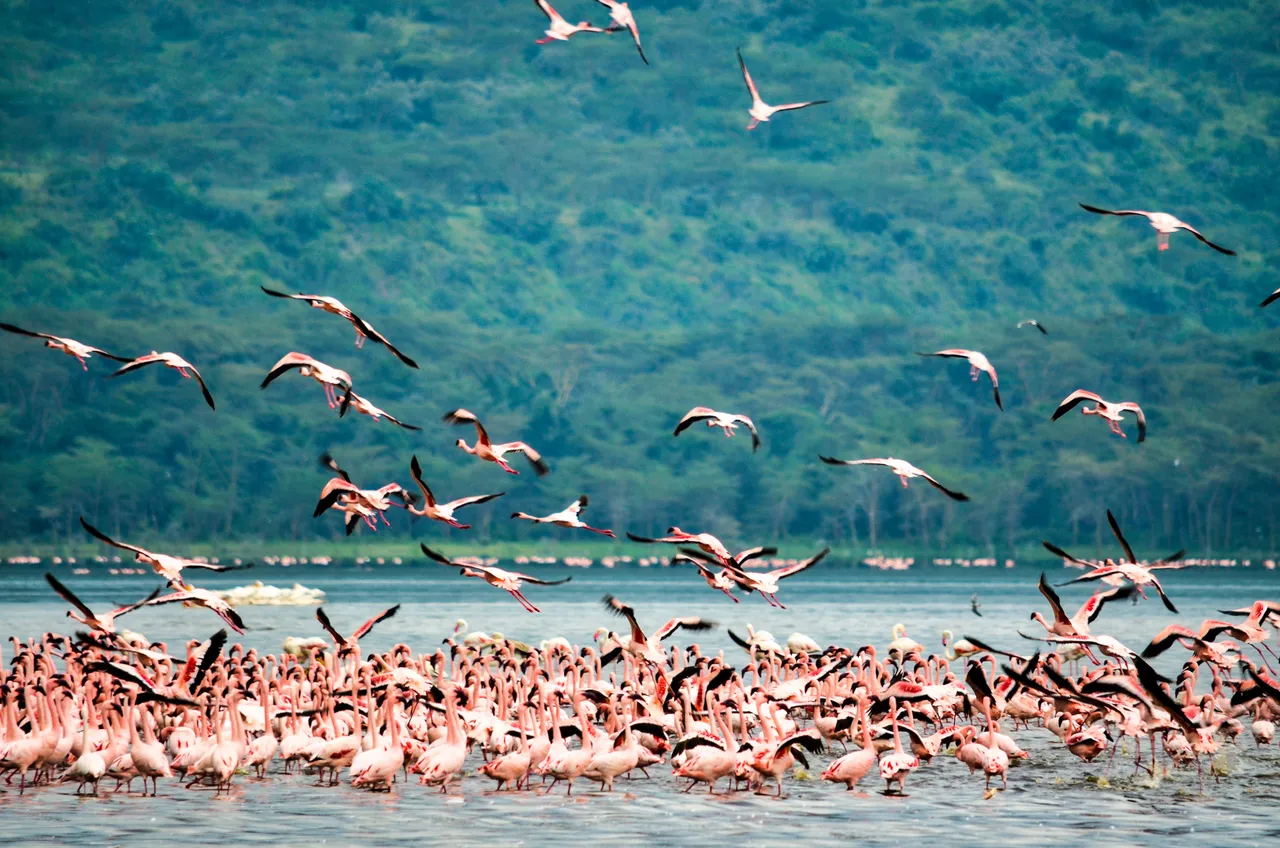
Lake Nakuru National Park
A small, fenced Rift Valley park that's one of Kenya's most reliable places to see both black and white rhino.
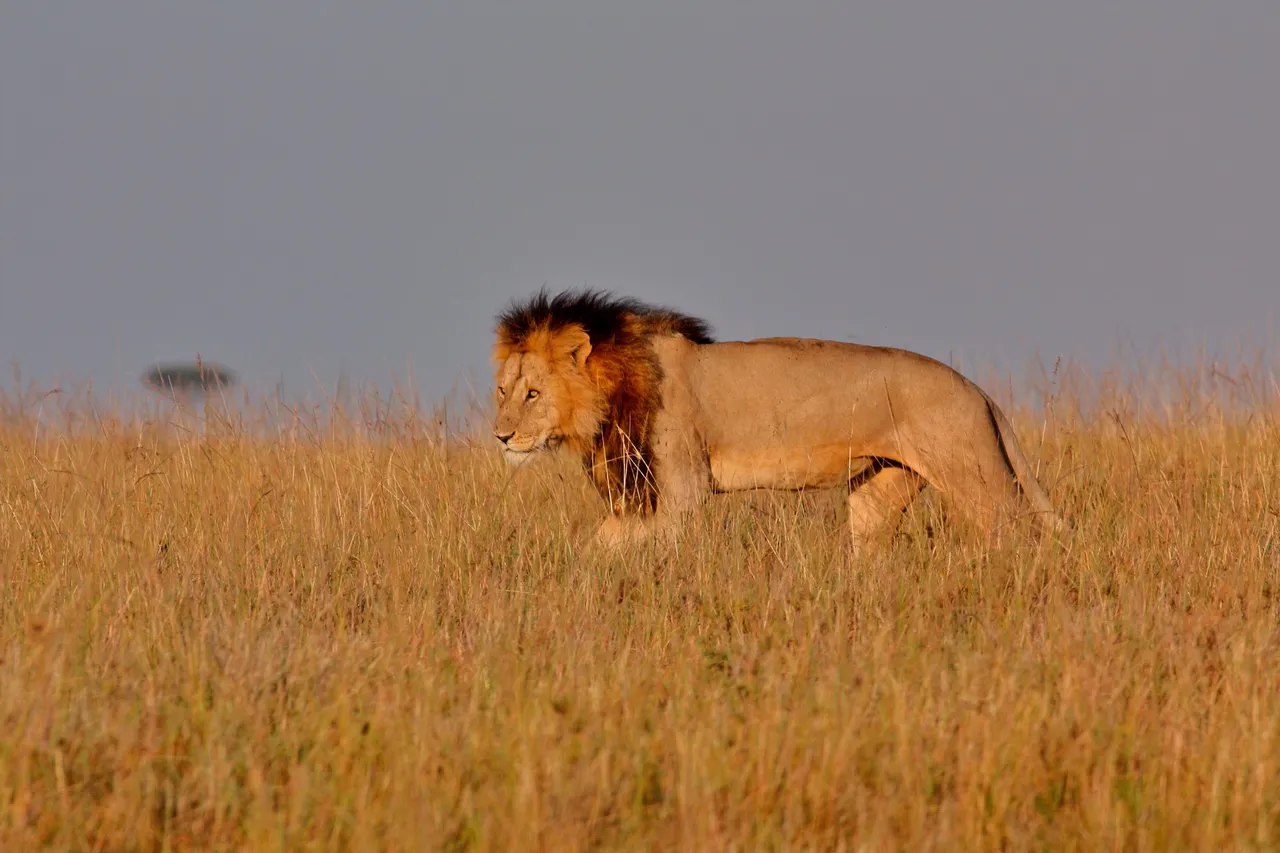
Maasai Mara National Reserve
Kenya's best-known reserve: big cats all year and the Mara River crossings from July to October.

Nairobi National Park
Lions and rhinos with the city skyline behind them, just 20 minutes from the centre.
Last updated 20 September 2026. Fees, permit prices and access rules change; we check them against official sources and operators, but confirm the current figure before you pay. Rift & Reef is not an official park authority.