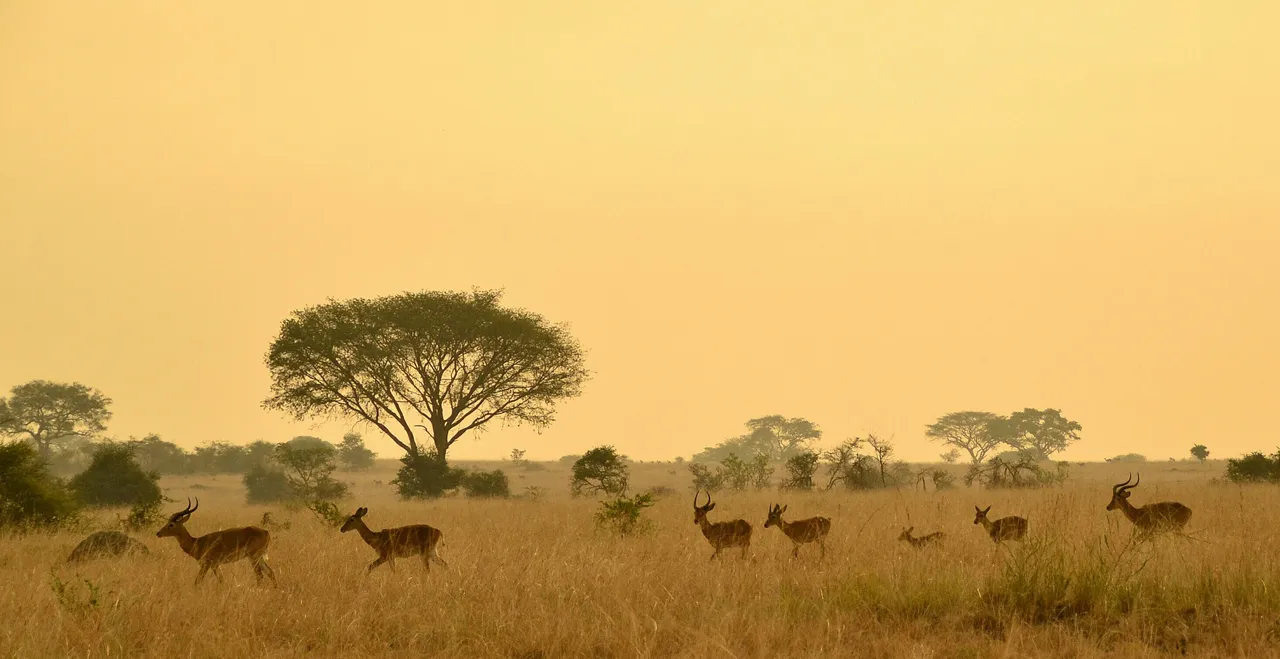
 Photo: supplied by East Africa Trails
 Quick facts
- Country
- Uganda
- Nearest gateway
- Fort Portal (about 30 minutes) or Kampala (about 5-6 hours by road)
- Best time
- June to September and December to February
- Size
- About 795 sq km
- Chimp permit (foreign non-resident)
- About US$250-300 in high season, lower in low season (as of Sept 2026)
- Primate species
- 13, including chimpanzees
- Time with chimps
- One hour once found
- Minimum age
- 12 years for tracking
Chimps in a busy forest
Kibale is a big tract of tropical rainforest with a very high density of primates. Around 13 species live here, but the chimpanzees are the reason most people come. There are more than a thousand chimpanzees in the park, and several communities have been habituated to human visitors. Trekking here means a walk through cool forest, often on flat paths, until the trackers find a group.
You’ll usually see chimps on the ground and in the trees, feeding on figs or calling to each other in loud choruses. The one hour you get with them feels short and intense.
Other primates and wildlife
Besides chimps, Kibale has red colobus, black-and-white colobus, L’Hoest’s monkeys, grey-cheeked mangabeys, blue monkeys and baboons. Forest elephants are present but rarely seen. The nearby Bigodi Wetland Sanctuary, run by a community, is an excellent walk for birds and monkeys. It’s a low-cost way to spend a spare afternoon and support local residents.
Tracking versus habituation
Standard chimp tracking lasts a few hours, with an hour spent with the chimps. The habituation experience is a full-day activity, in which you accompany researchers and stay with the chimps for up to four hours. It costs more, but it gives more time and a chance to observe behaviour.
When to go
June to September and December to February are drier, and the trails are easier. The rains in March to May and September to November can make the forest muddy, but treks still take place and permits are cheaper in April, May and November. Chimps tend to be found easily when fruit is in season.
Getting there
Kibale is about 30 minutes from Fort Portal, which is 5 to 6 hours by road from Kampala. From Kibale, it’s roughly two hours to the northern sector of Queen Elizabeth, and another three to four hours to Bwindi. Many itineraries include all three.
Costs
Permit prices are set by the Uganda Wildlife Authority. As of September 2026, the high-season price for foreign non-residents is about US$250, and it’s expected to rise to US$300 from January 2027, with lower rates in the low months. Accommodation ranges from budget guesthouses near the Kanyanchu visitor centre to luxury forest lodges. Book permits early for the busiest months.
What you can do here
- Chimpanzee tracking
- Chimpanzee habituation experience
- Bigodi Wetland Sanctuary walk
- Night forest walk
- Crater lake visits
- Bird watching
Kibale National Park: common questions
How much does chimpanzee tracking cost in Kibale?
For foreign non-residents, UWA has been charging about US$250 per person in high season, with a rise to US$300 announced from January 2027, and lower rates in April, May and November. The chimpanzee habituation experience costs more. Confirm the current tariff when you book.
What are the chances of seeing chimps?
High. Kibale is known for excellent success rates, often around 90 percent or more on a typical trek. Chimps are found more easily when trees are fruiting. Your guide will track them by sound and signs.
What is the habituation experience?
It's a longer version of tracking in which you spend most of a day with chimpanzees that are still being accustomed to humans. You follow researchers and the chimps from nest to nest. It's more expensive, more tiring and more immersive.
Should you see chimps in Kibale or Kyambura Gorge?
Kibale is more reliable and has a much bigger chimp population. Kyambura Gorge, in Queen Elizabeth National Park, has a smaller, harder-to-find community but a beautiful setting.
Can you combine Kibale with gorilla trekking?
Yes. Kibale, Queen Elizabeth and Bwindi are the classic western Uganda circuit. A week or ten days lets you do chimps and gorillas, a boat cruise and a game drive.
Trips that include Kibale National Park
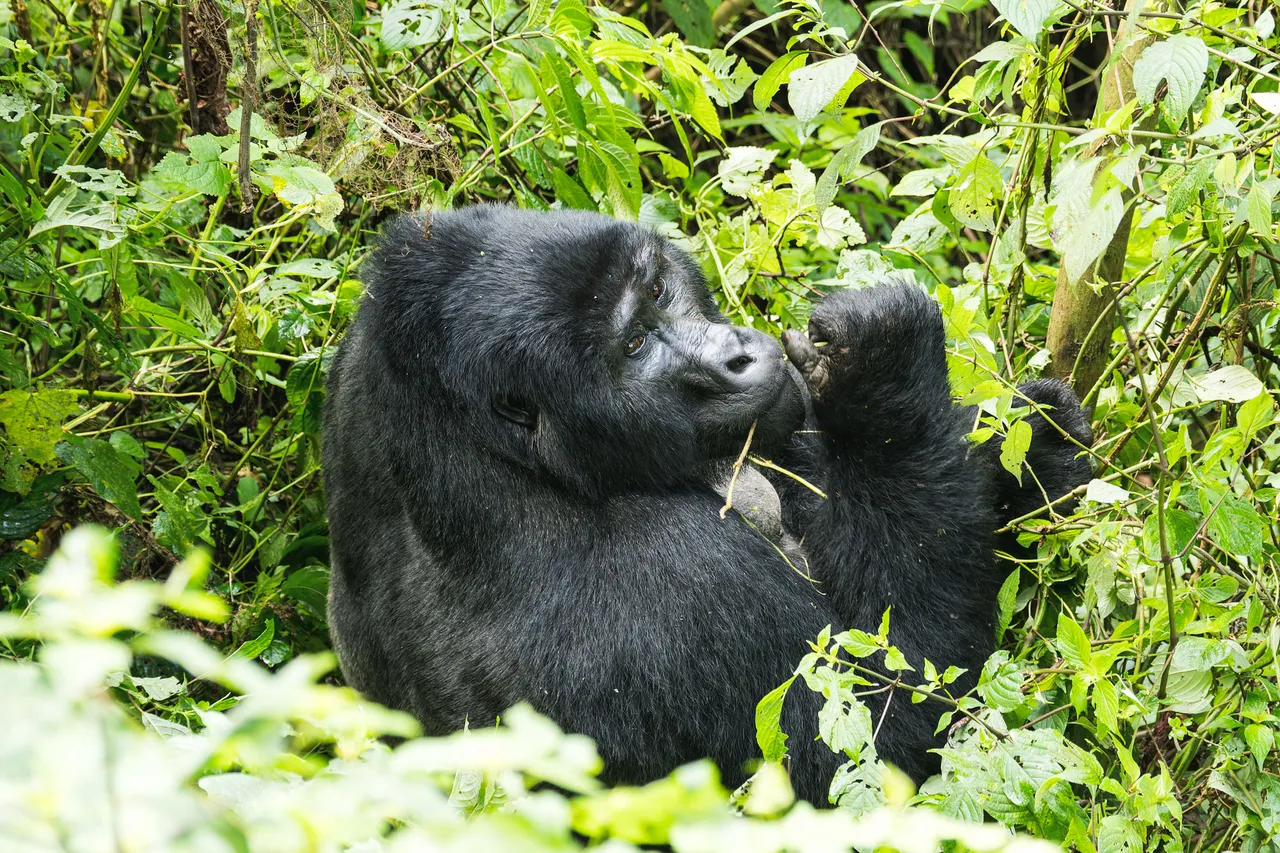
Uganda and Rwanda Gorilla Circuit: 10 Days
Ten days linking Uganda's chimps and big game with two gorilla treks, one in Bwindi and one in Rwanda's Volcanoes, and a border crossing at Cyanika.
Uganda Gorillas, Chimps and Big Game: 7 Days
A seven-day Uganda trip covering chimpanzees at Kibale, boats and lions at Queen Elizabeth and a gorilla trek in Bwindi, with a flight back to Entebbe.
Guides for planning your visit

Chimpanzee Trekking in Uganda, Rwanda and Tanzania
Where to track wild chimpanzees in East Africa: Kibale, Budongo, Nyungwe, Gombe and Mahale compared, with permit costs, fitness and timing.
Nearby and similar parks
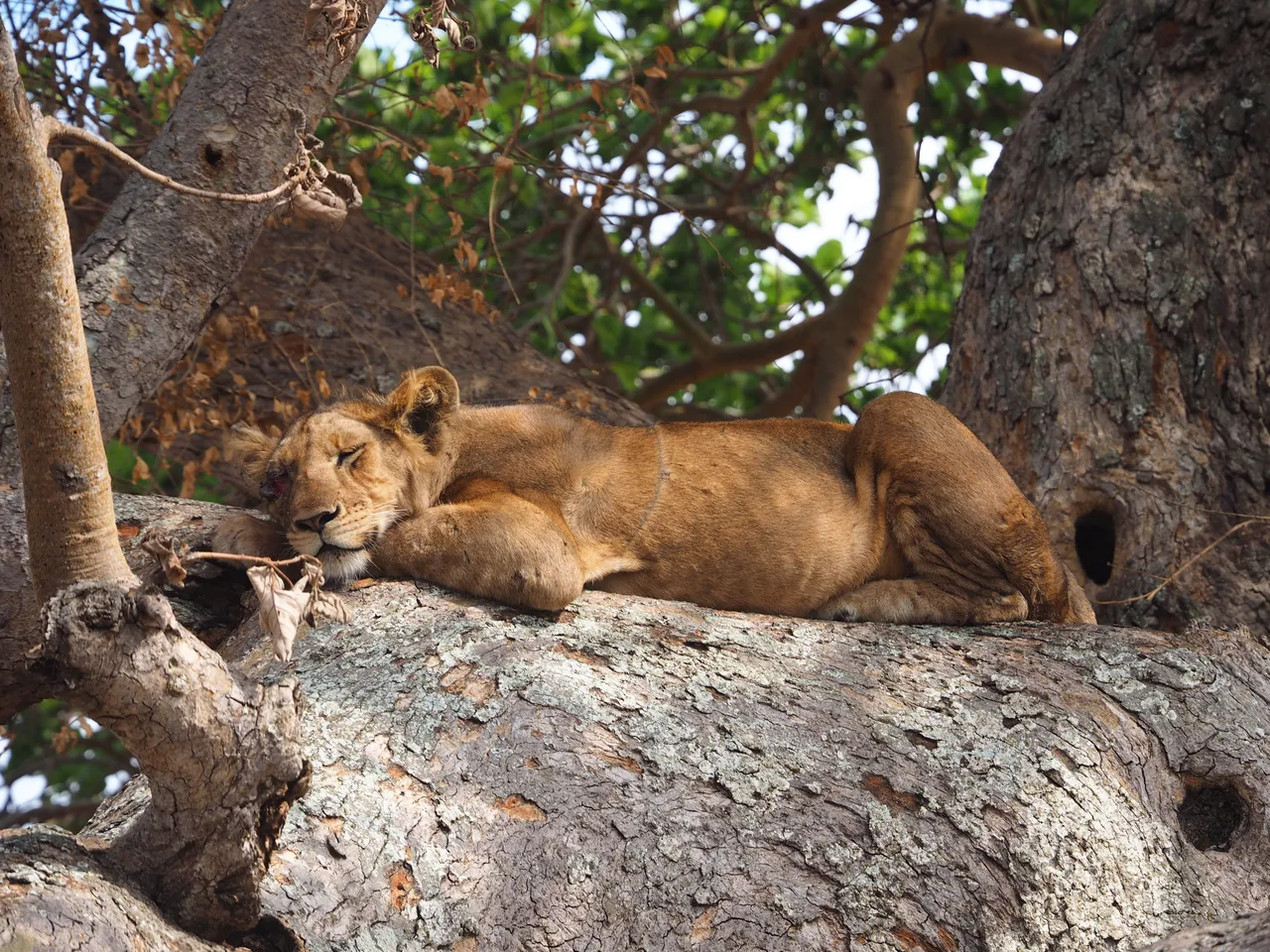
Queen Elizabeth National Park
Uganda's most varied park: a boat trip among hippos, tree-climbing lions in Ishasha and chimps in a gorge.
Bwindi Impenetrable National Park
Home to nearly half the world's mountain gorillas, in ancient forest on steep green hills.
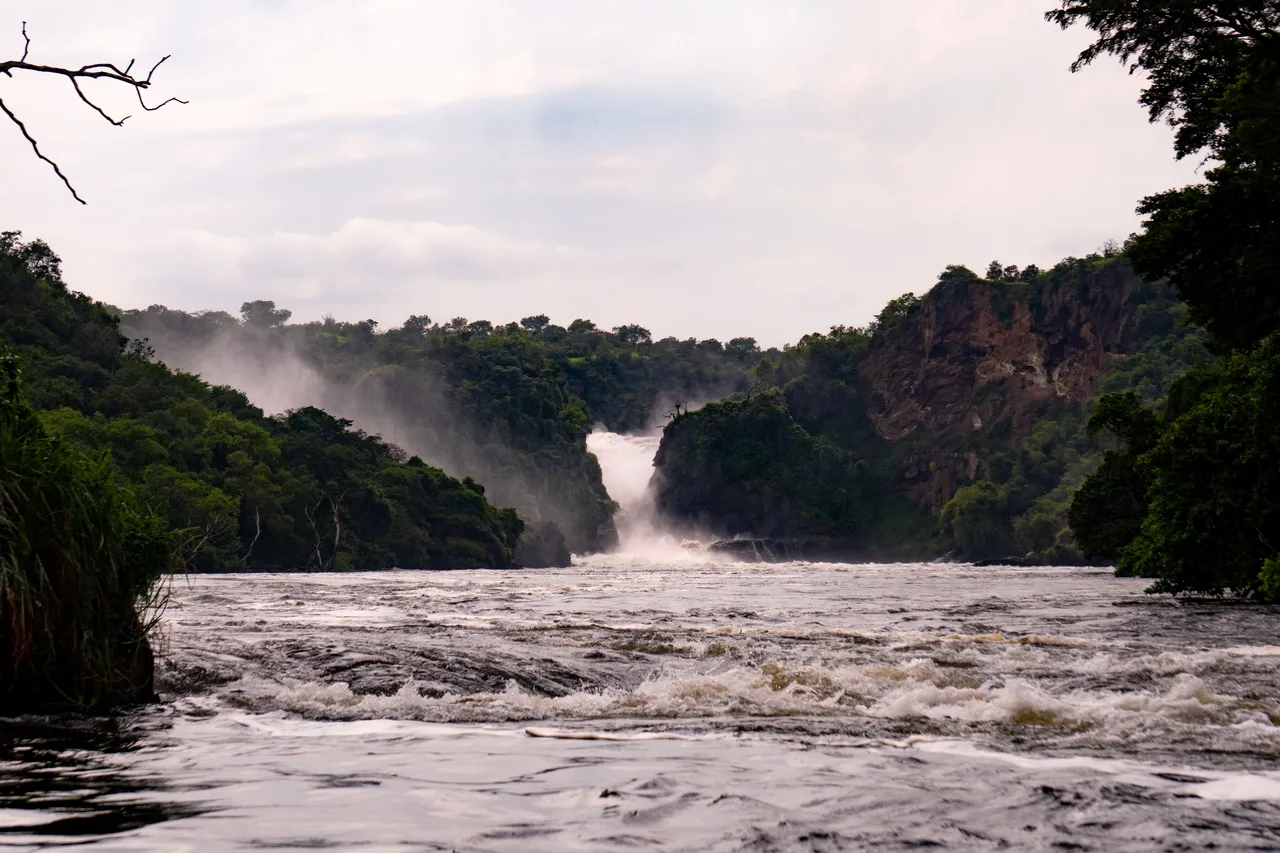
Murchison Falls National Park
The Nile squeezes through a 7-metre gap and drops 43 m, in Uganda's biggest park.

Mahale Mountains and Gombe National Parks
Remote chimp country on Lake Tanganyika, reached by boat or bush plane, and worth the effort.
Last updated 20 September 2026. Fees, permit prices and access rules change; we check them against official sources and operators, but confirm the current figure before you pay. Rift & Reef is not an official park authority.