Quick facts
- Country
- Uganda
- Nearest gateway
- Kigali (5-6 hours by road) or Entebbe (8-10 hours by road, or fly to Kihihi or Kisoro)
- Best time
- June to September and December to February (drier)
- Size
- About 320 sq km
- Gorilla permit (foreign non-resident)
- US$800 (US$600 in April, May, November) as of Sept 2026
- Time with gorillas
- One hour once you find them
- Minimum age
- 15 years
- Status
- UNESCO World Heritage Site (1994)
Why Bwindi is the gorilla headliner
Bwindi is one of the oldest and most biologically diverse forests in Africa, and it holds nearly half of the world’s roughly 1,000 mountain gorillas. The rest are in the Virunga Mountains, which straddle Uganda, Rwanda and the Democratic Republic of Congo. That makes Bwindi the single most important place for gorilla trekking.
The forest is dense, steep and misty, and the trek is part of the experience. You climb narrow trails with trackers who cut through vegetation, then suddenly find a family group at rest in a forest clearing. You get one hour with the gorillas, and it goes quickly.
The four sectors
Bwindi’s gorilla groups are spread across four sectors, and where you trek affects your journey.
- Buhoma (north): the oldest sector, with plenty of lodges and forest walks, including a waterfall trail and community visits.
- Ruhija (east): at higher altitude, quiet and good for birdwatching, with fewer groups.
- Rushaga (south): the largest number of gorilla groups, and where the gorilla habituation experience is offered.
- Nkuringo (southwest): dramatic hilltop views over the forest and volcanoes, but with steep terrain.
Permits are assigned to a sector when you book, so the choice matters for logistics. Ask your operator which groups are nearby and what the terrain is like.
Permits and costs
As of September 2026, a gorilla trekking permit for foreign non-residents costs US$800 in the main season, and US$600 in April, May and November. A gorilla habituation experience, where you spend up to four hours with a group that’s being accustomed to humans, costs more, at about US$1,500. Permits are sold through the Uganda Wildlife Authority or through a tour operator. The authority suspended its seven-day reservation hold in March 2026, so expect to pay at the time of booking. Read the full gorilla trekking guide for the details on how to book.
Lodges range from budget guesthouses to luxury forest lodges with fireplaces and views. Bring porters if you can: it costs a modest fee and supports local livelihoods.
When to go
The drier periods, June to September and December to February, are the most comfortable. Trails are less muddy and the views are better. The wet seasons, March to May and October to November, bring heavy rain and slippery trails, but treks still run and permits are cheaper in April, May and November.
Getting there
From Kigali, it’s about five to six hours by road to Bwindi via Kabale or Kisoro. From Entebbe, the drive is eight to ten hours. Domestic flights from Entebbe or Kajjansi to Kihihi (for the north and Buhoma) or Kisoro (for the south) take about 1.5 hours and save a full day each way. Some travellers combine Bwindi with Queen Elizabeth National Park and the tree-climbing lions of Ishasha on the route.
What to pack and expect
Wear long trousers, sturdy hiking boots and gardening gloves. Carry rain gear and a waterproof daypack. The forest is cool and often wet, and you’ll be climbing. You can’t trek with a cold or other respiratory infections, because gorillas are vulnerable to human diseases.
What you can do here
- Gorilla trekking
- Gorilla habituation experience
- Batwa cultural trail
- Bird walks
- Waterfall walk (Buhoma)
- Community walks
Bwindi Impenetrable National Park: common questions
How much is a gorilla permit in Uganda?
As of September 2026, a Uganda Wildlife Authority permit for foreign non-residents is US$800 in the main season and US$600 in the low months of April, May and November. Low-season permits are usually non-refundable and cannot be rescheduled. Prices have been revised before, so check our gorilla trekking guide and the UWA website for the latest.
Which Bwindi sector is best?
Buhoma is the oldest and most developed, with the most lodges. Ruhija is high and quiet, good for birdwatchers. Rushaga has the most gorilla groups and the habituation experience. Nkuringo has spectacular views and steeper hikes. If you want the best chance of an easier trek, ask for a group that's currently close to the trailhead.
How hard is a gorilla trek in Bwindi?
It varies from about 30 minutes to 6 hours or more each way. Hills are steep and slippery, and the altitude is about 1,500 to 2,600 m. You can hire a porter, which helps them earn income and makes the hike easier. Tell your guide about any limitations when you're allocated a group.
Is it better to see the gorillas in Bwindi or Rwanda?
Both are excellent. Uganda's permits cost roughly half as much as Rwanda's, and Bwindi offers more variety of habitats, but travel is slower. Rwanda is easier logistically. See our Uganda vs Rwanda guide.
How many days do you need for Bwindi?
Two nights in the park is enough for a single trek, and three lets you include a rest day or a second activity. Add a day at each end if you're driving. Alternatively, fly from Entebbe to Kihihi or Kisoro to save travel time.
Trips that include Bwindi Impenetrable National Park
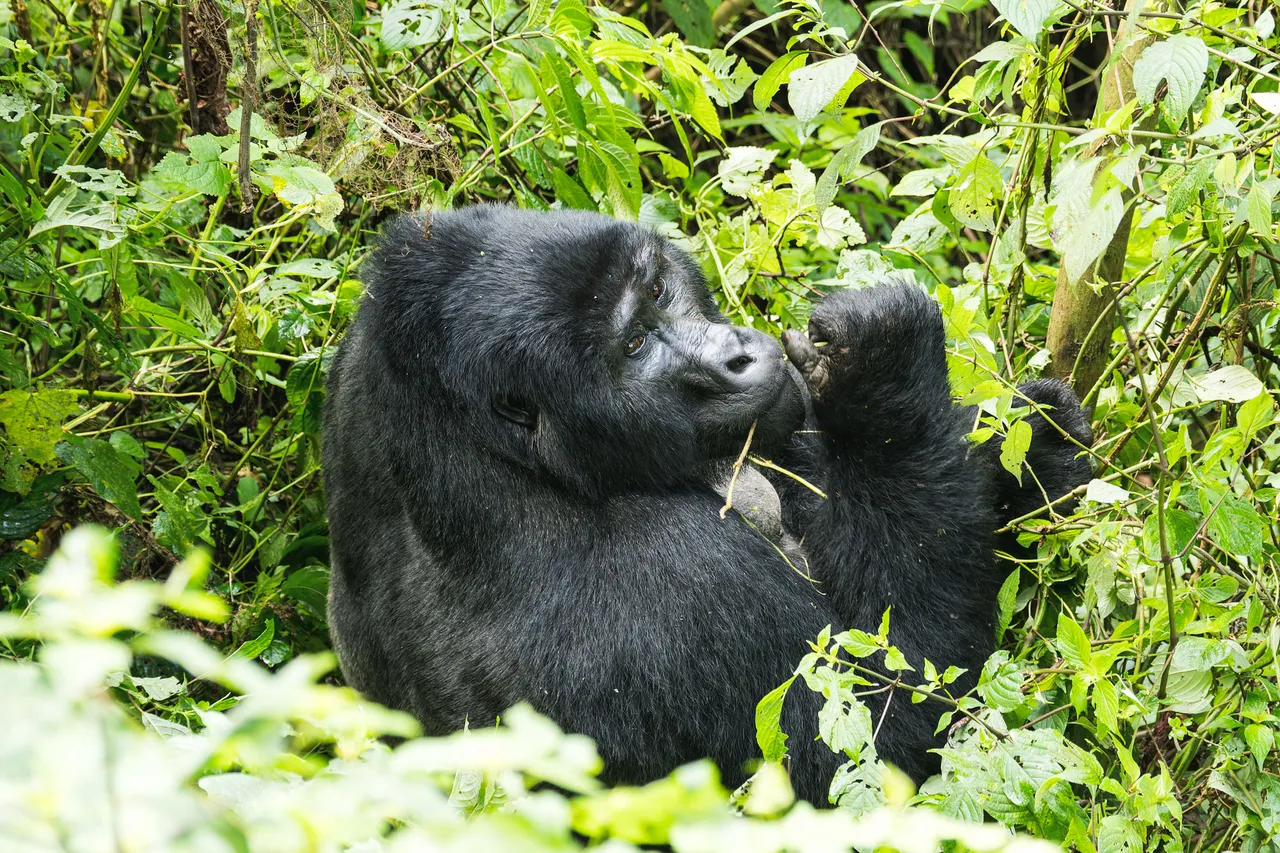
Uganda and Rwanda Gorilla Circuit: 10 Days
Ten days linking Uganda's chimps and big game with two gorilla treks, one in Bwindi and one in Rwanda's Volcanoes, and a border crossing at Cyanika.
Uganda Gorillas, Chimps and Big Game: 7 Days
A seven-day Uganda trip covering chimpanzees at Kibale, boats and lions at Queen Elizabeth and a gorilla trek in Bwindi, with a flight back to Entebbe.
Guides for planning your visit

Gorilla Trekking in Uganda and Rwanda: Permits, Costs and What to Expect
How gorilla trekking works in Uganda and Rwanda: permit prices, how to book, how hard the hike is, what to pack, the rules and how to choose between countries.
Uganda vs Rwanda for Gorilla Trekking: Which Should You Choose?
Uganda or Rwanda for gorillas? Compare permit prices, travel time, terrain, lodges and add-ons, and see when it makes sense to do both in one trip.
Nearby and similar parks
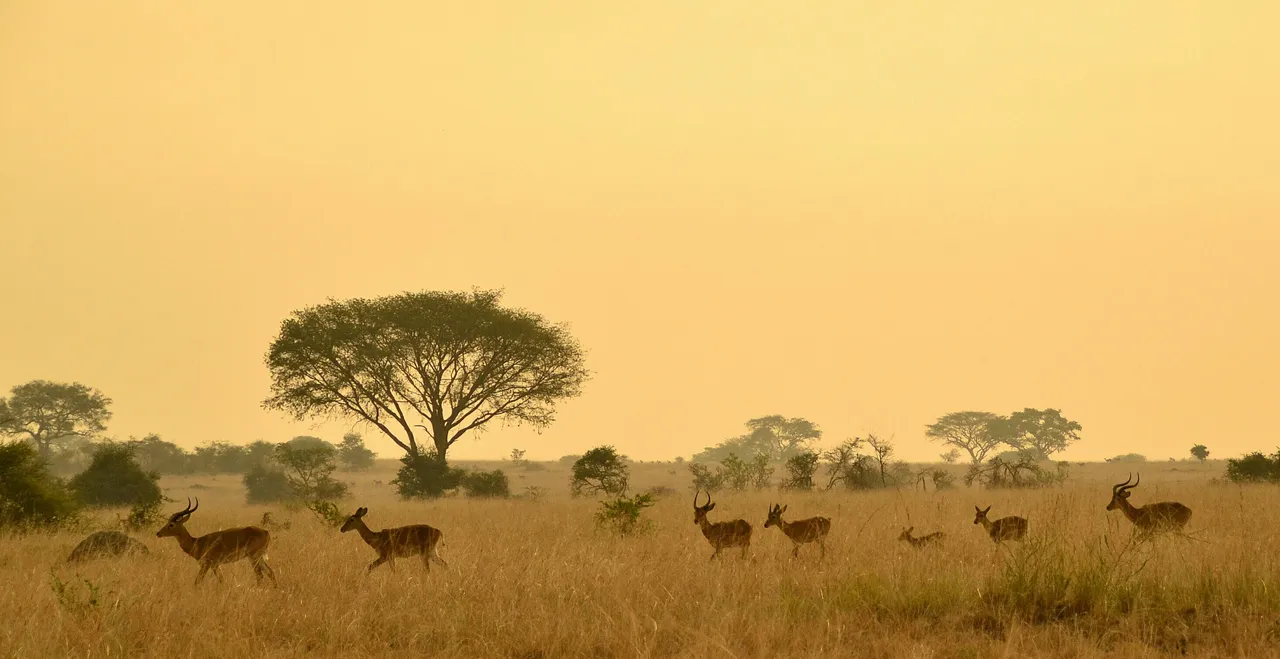
Mgahinga Gorilla National Park
Uganda's smallest national park: three volcanoes, golden monkeys and a single gorilla family that sometimes crosses the border.
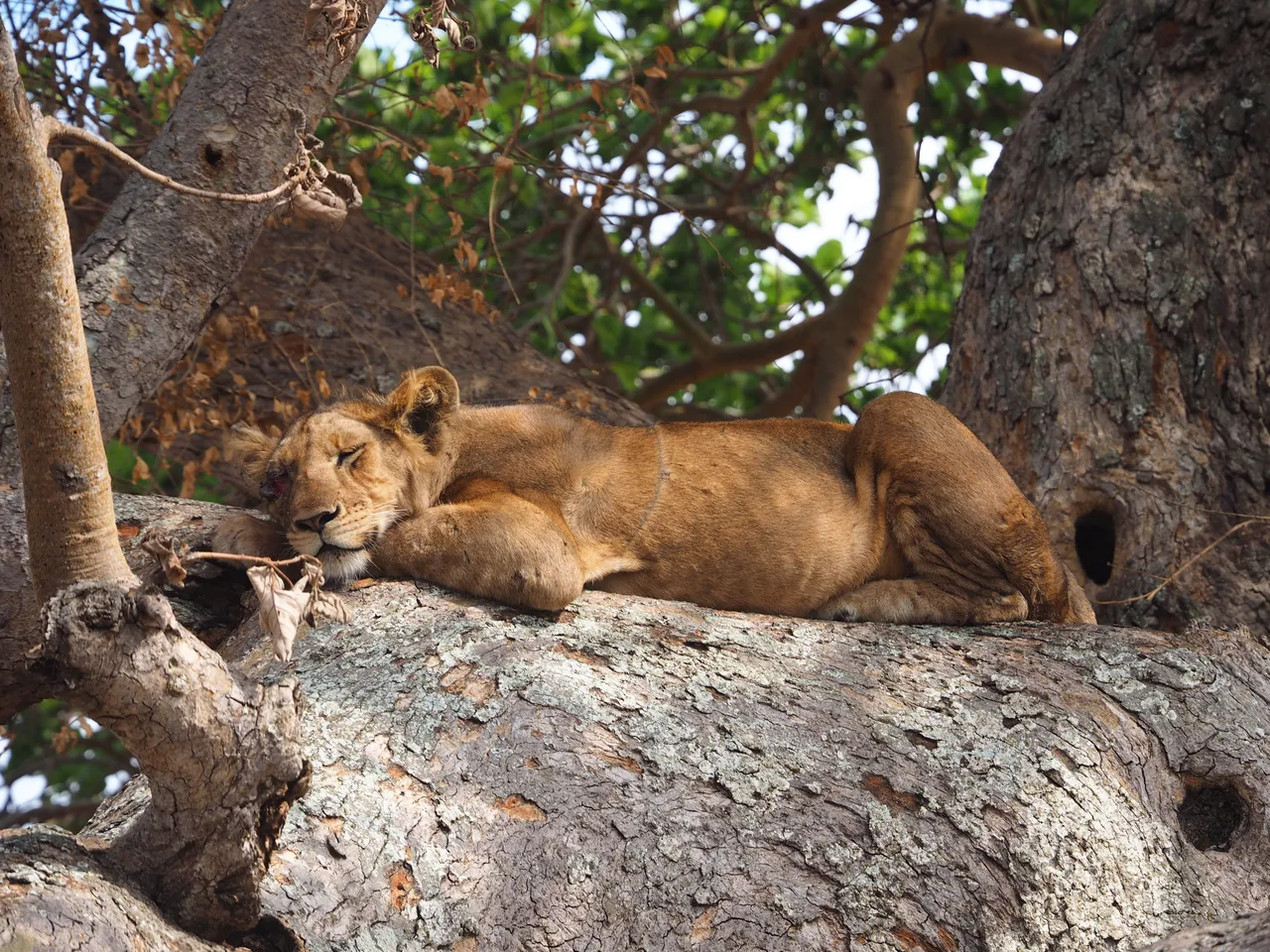
Queen Elizabeth National Park
Uganda's most varied park: a boat trip among hippos, tree-climbing lions in Ishasha and chimps in a gorge.
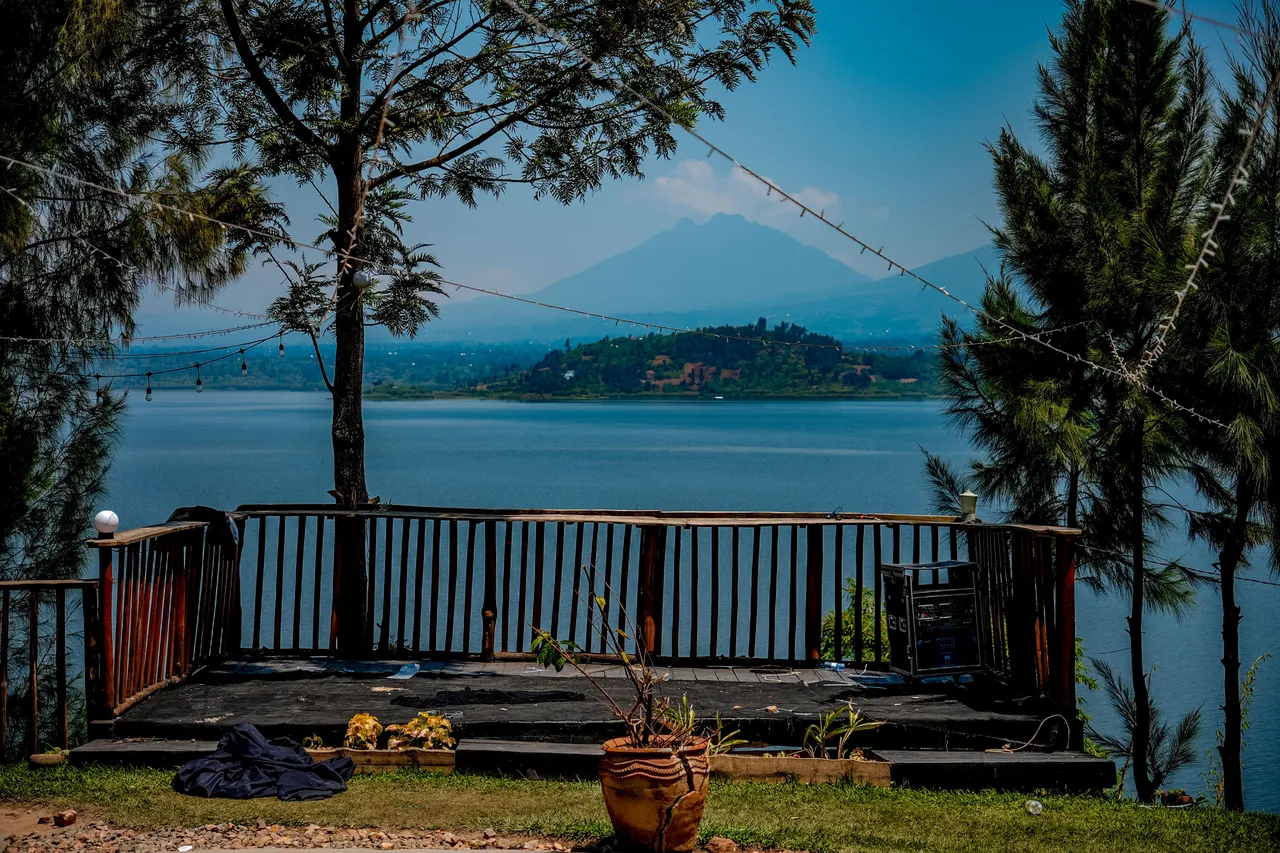
Volcanoes National Park
Rwanda's gorilla park, just two hours from Kigali, with twelve habituated families and five volcanoes.
Kibale National Park
The world's best-known place to see wild chimpanzees, with 12 other primate species in the same forest.
Last updated 20 September 2026. Fees, permit prices and access rules change; we check them against official sources and operators, but confirm the current figure before you pay. Rift & Reef is not an official park authority.