The quick answer
Choose Rwanda if you have four to six days, want simple logistics, and don’t mind paying US$1,500 for a permit. Choose Uganda if you have a week or more, want to save US$700 or so on the permit and would like to combine gorillas with chimps, big game and boat trips. Choose both if gorillas are the main reason for the trip and you have ten days.
The comparison
| Rwanda | Uganda | |
|---|---|---|
| Permit (foreign non-resident, Sept 2026) | US$1,500 | US$800 (US$600 in April, May and November) |
| Park | Volcanoes National Park | Bwindi (four sectors) and Mgahinga |
| Drive from the airport | About 2 to 2.5 hours from Kigali | 5 to 6 hours from Kigali, 8 to 10 from Entebbe, or fly |
| Habituated groups | 12 | About 20 in Bwindi and 1 in Mgahinga |
| Daily permits | 96 | Roughly 8 per group |
| Habituation experience | No | Yes, about US$1,500 for up to four hours |
| Terrain | Volcanic slopes at 2,500 to 3,000 m, often muddy | Steep, forested hills at about 1,500 to 2,600 m |
| Minimum age | 15 | 15 |
| Add-ons | Golden monkeys, Dian Fossey hike, Kigali, Akagera, Nyungwe | Chimps at Kibale, Queen Elizabeth, Murchison Falls, Lake Mburo |
Cost
The gap is real. A permit in Rwanda costs US$700 more per person than a main-season permit in Uganda, and US$900 more than a low-season one. For a couple, that difference is enough to pay for a chimp trek, a boat cruise and a night at a nice lodge.
Rwanda partly makes up the difference in convenience: shorter trips mean fewer nights in lodges and fewer road-transfer days. Uganda’s cost advantage grows when you spend more days there. Read our cost guide for the full picture.
Time and logistics
Rwanda is compact. From Kigali, you can reach the park, trek, and return in about three days. Roads are excellent, and the airport is close.
Uganda is bigger and slower. From Entebbe, the road to Bwindi takes most of a day or two, so most itineraries include an overnight stop or a domestic flight to Kihihi or Kisoro. If you’re short of days, Uganda’s overland routes eat into your time.
The trek itself
The gorillas are the same species in both countries, and the encounters are similar: up to an hour, a maximum of eight visitors per family and a 7 m distance rule. Rwanda’s volcanic terrain is higher, so altitude and cold can make the hikes harder for some people. Bwindi’s forest is lower but steeper, with slippery slopes and thick vegetation. Both have porters, and both can be hard on a bad day.
Uganda also offers a habituation experience in Rushaga, where you spend up to four hours with a group that’s being accustomed to people, for about US$1,500. Rwanda doesn’t have an equivalent.
What else you can do
Uganda is the better base for a longer trip. From Bwindi you can travel to Queen Elizabeth for boat trips and tree-climbing lions, Kibale for chimpanzees, Lake Mburo for walking safaris and Murchison Falls for river cruises and big game. See the Uganda guide.
Rwanda offers golden monkeys, Dian Fossey’s grave, Kigali’s memorials and coffee, the savanna at Akagera and chimpanzees and canopy walkways at Nyungwe. See the Rwanda guide.
Comfort and lodges
Rwanda has a higher concentration of polished, high-end lodges near the park. Uganda has excellent lodges too, particularly in Bwindi, and a wider range of budget and mid-range options.
The verdict
If you’re on a tight schedule or a generous budget and want an easy trip, go to Rwanda. If you’re on a more moderate budget, have a week or more, and like variety, go to Uganda. If you have ten days and gorillas are the point, do both and compare the experiences. Our gorilla trekking guide explains permits and what to expect in either case.
Frequently asked questions
Is Uganda or Rwanda better for gorilla trekking?
Neither is objectively better. Uganda is cheaper and offers more variety, but travel is slower. Rwanda is easier and more polished, but the permit costs nearly twice as much. If money and time are tight, Rwanda's short logistics often win. If you're combining gorillas with chimps and safari, Uganda usually does.
Do you see more gorillas in one country than the other?
Group sizes and sightings are similar. You're allowed up to an hour with a habituated family in both places. Your experience depends more on the family you're assigned, the weather and how the animals are moving that day.
Can you do both in one trip?
Yes. The Cyanika border crossing links Kisoro in Uganda with Musanze in Rwanda, and the East Africa Tourist Visa covers Kenya, Rwanda and Uganda. Our 10-day itinerary does exactly this.
Which is easier for people with limited mobility?
Neither is easy, but Rwanda's Volcanoes park often has shorter, though higher and steeper, hikes. In Uganda, Buhoma and Ruhija sectors vary, and your guide can assign you a nearer family. Ask for the closest group when you book, and consider a porter or a sedan-chair carry if needed.
Trips built around this
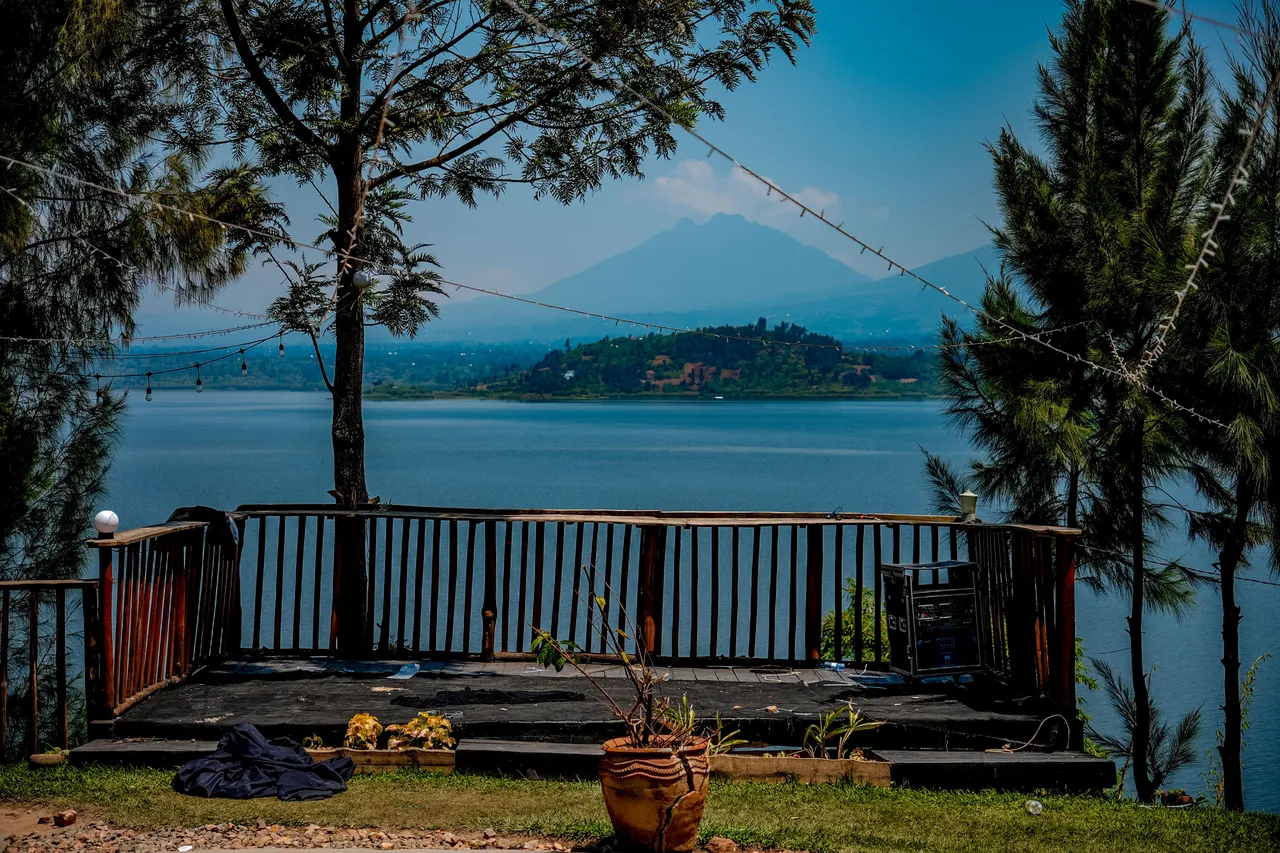
Rwanda Gorilla Trek and Kigali: 4 Days
The shortest way to see mountain gorillas: four days in Rwanda with a Kigali city visit, a night near Volcanoes National Park and a full-day trek.
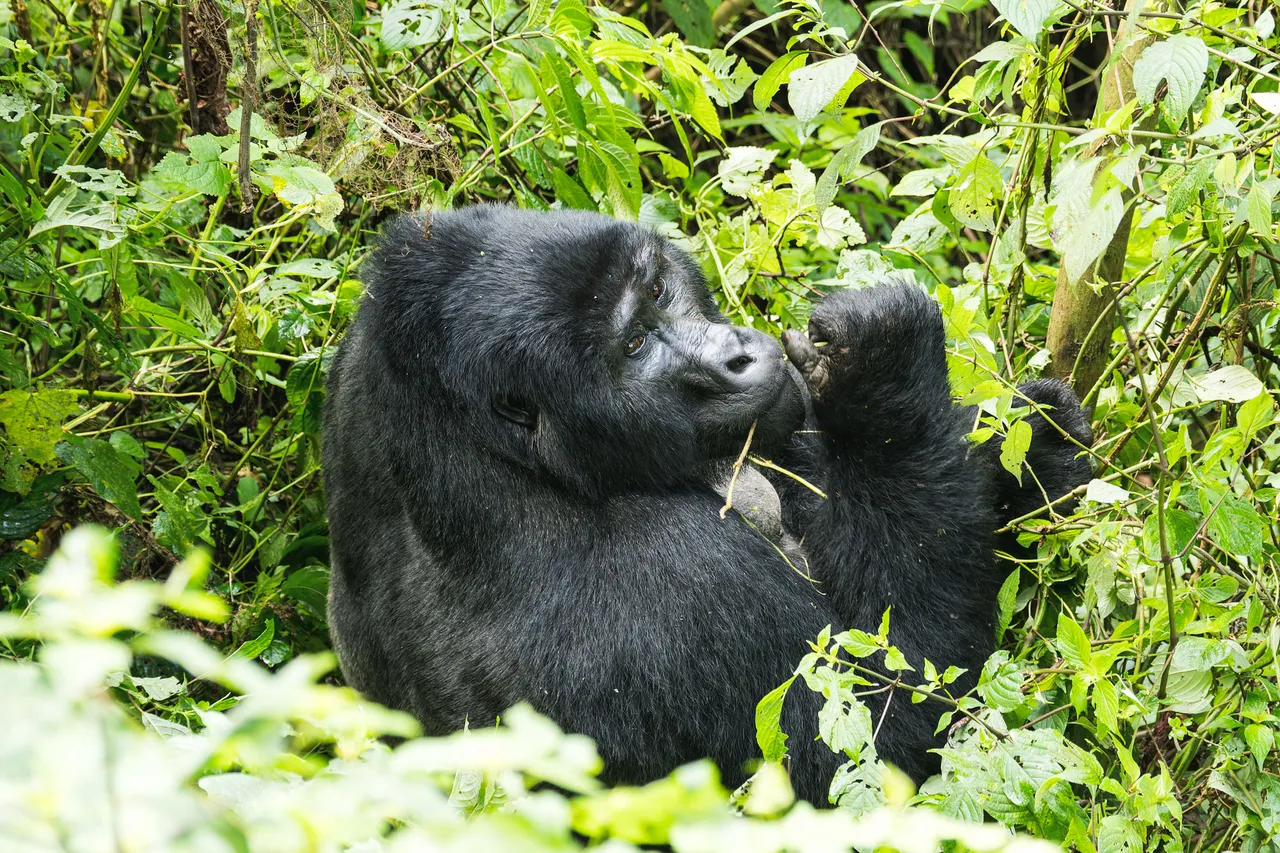
Uganda Gorillas, Chimps and Big Game: 7 Days
A seven-day Uganda trip covering chimpanzees at Kibale, boats and lions at Queen Elizabeth and a gorilla trek in Bwindi, with a flight back to Entebbe.
Uganda and Rwanda Gorilla Circuit: 10 Days
Ten days linking Uganda's chimps and big game with two gorilla treks, one in Bwindi and one in Rwanda's Volcanoes, and a border crossing at Cyanika.
Parks mentioned in this guide
Bwindi Impenetrable National Park
Home to nearly half the world's mountain gorillas, in ancient forest on steep green hills.
Volcanoes National Park
Rwanda's gorilla park, just two hours from Kigali, with twelve habituated families and five volcanoes.
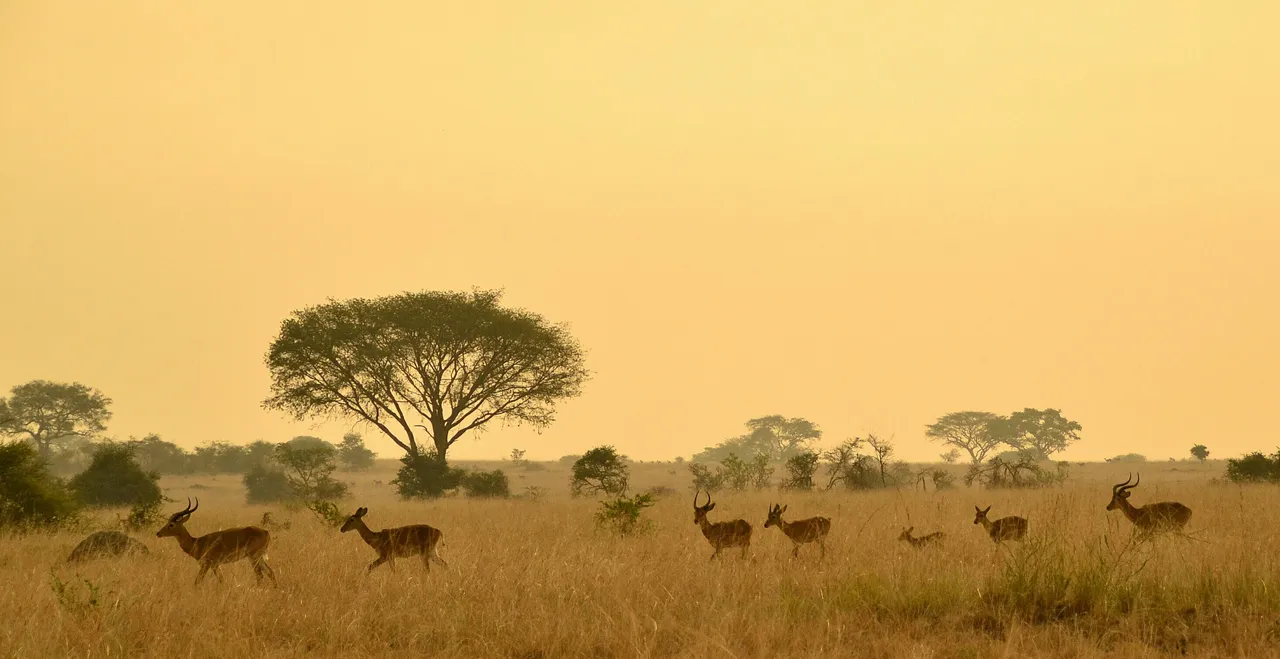
Mgahinga Gorilla National Park
Uganda's smallest national park: three volcanoes, golden monkeys and a single gorilla family that sometimes crosses the border.
Keep reading

Gorilla Trekking in Uganda and Rwanda: Permits, Costs and What to Expect
How gorilla trekking works in Uganda and Rwanda: permit prices, how to book, how hard the hike is, what to pack, the rules and how to choose between countries.

How Much Does an East Africa Safari Cost?
A realistic look at East Africa safari prices: per-night ranges for budget, mid-range and luxury, park fees, gorilla permits and what drives the cost up.
East Africa Visa Guide: Kenya, Tanzania, Uganda and Rwanda
Entry rules for Kenya, Tanzania, Uganda and Rwanda as of September 2026: the Kenya eTA, e-visas, the East Africa Tourist Visa and yellow fever certificates.
Last updated 20 September 2026. Rules, prices and schedules change. We recheck the facts in this guide regularly, but confirm anything that affects your money or your entry to a country with the official source.