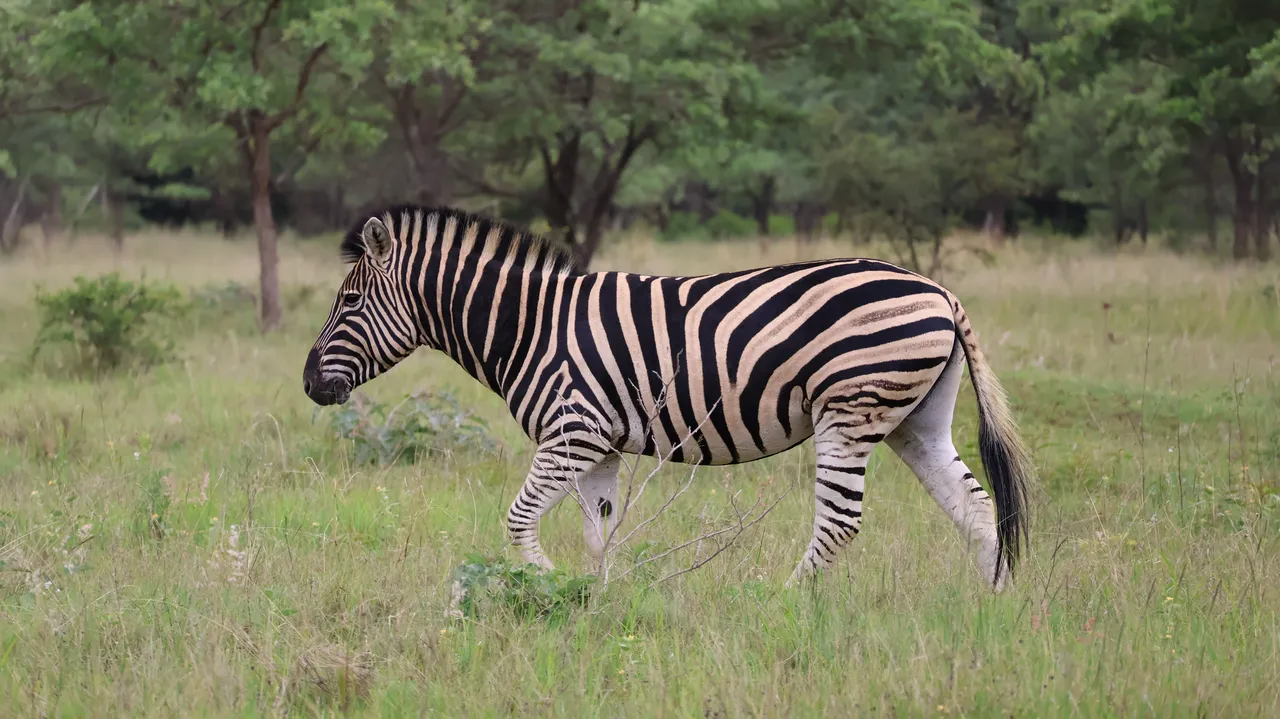
 Photo: supplied by East Africa Trails
 Quick facts
- Country
- Rwanda
- Nearest gateway
- Kigali (about 2-2.5 hours by road)
- Best time
- June to September and December to February
- Size
- About 1,120 sq km
- Managed by
- African Parks with the Rwanda Development Board (since 2010)
- Big Five
- Complete since black rhinos returned in 2017
- Time needed
- Two nights
- Malaria risk
- Yes; take advice
A park that came back
Akagera lies in eastern Rwanda, along the border with Tanzania. It’s a mix of open plains, woodland, papyrus swamps and a chain of lakes fed by the Akagera River. After the 1994 genocide, the park lost a large part of its land to resettlement, and poaching had wiped out lions and rhinos.
Since 2010, the Rwanda Development Board has run Akagera in partnership with African Parks, an NGO. The results are striking. Lions were reintroduced in 2015 and black rhinos in 2017, and the park now has all of the Big Five. It’s a conservation success that visitors help to fund.
Wildlife and activities
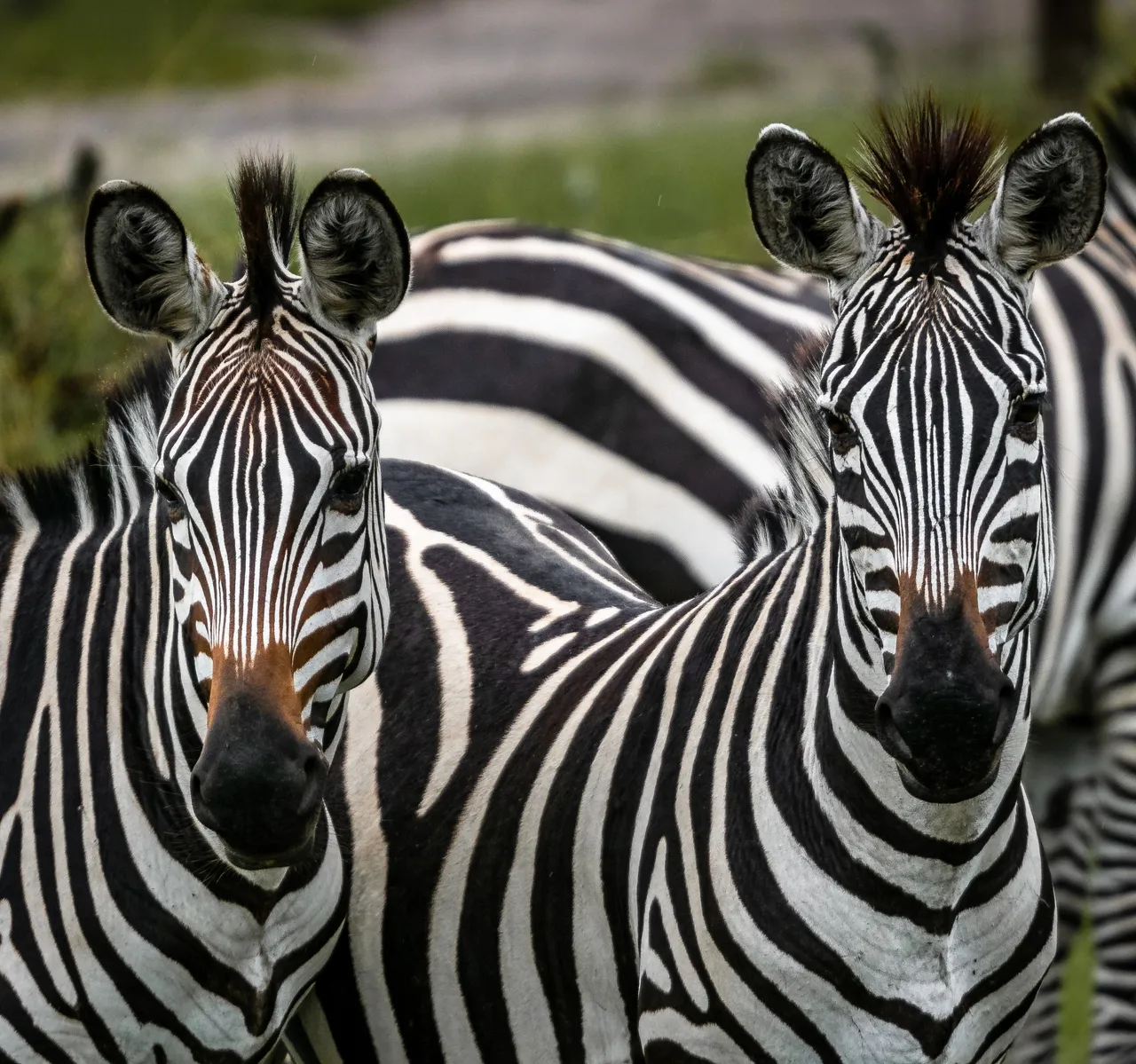
Game drives on the park’s well-maintained tracks reveal elephants, buffalo, giraffes, zebras, topi, impalas, waterbuck and warthogs. Lions are seen fairly often, and the park has a healthy population. Black rhinos are rarer, but trackers know where to look. Hippos and crocodiles are easy to see from the water.
A boat safari on Lake Ihema is a highlight, with hippos, crocodiles and several water birds. Night drives, offered in Akagera, give you a chance to see nocturnal animals, such as genets, civets, porcupines and hyenas. Birders also come for papyrus specialists such as the papyrus gonolek, and the shoebill is sometimes reported in the swamps.
When to go
June to September and December to February are drier and better for wildlife viewing. The park is green and beautiful between March and May and in November, but some tracks can be slippery. Lake Ihema is usually good at any time of the year.
Getting there
The southern entrance, the main gate, is about two to two and a half hours from Kigali by road. Some lodges are in the north, near the Kagitumba gate, which is about three hours from Kigali. Because the road is good, many travellers do a night or two here after Volcanoes or before flying out. See our Rwanda gorillas and Kigali itinerary and Kigali guide.
Costs
Park entry fees for foreign non-residents are set by the park’s management and are modest compared with gorilla permits. Activities such as boat trips and night drives are charged separately. Accommodation ranges from a campsite and midrange lodge to luxury tented camps.
A note on scale
Akagera doesn’t have a migration or thousands of animals on the horizon. Its appeal lies in wildlife you can see without other vehicles, and a landscape that has recovered. It pairs well with gorillas and Nyungwe, giving Rwanda visitors variety without needing to cross a border.
What you can do here
- Game drives
- Boat safari on Lake Ihema
- Night drives
- Birdwatching (shoebill)
- Fishing (some lodges)
- Cultural visits
Akagera National Park: common questions
Is Akagera a real safari destination?
Yes. It has lions, elephants, buffalo, giraffes, hippos, zebras and black rhinos, and it's one of the few places you can see all of the Big Five in a country known for gorillas. It's smaller and quieter than Kenya's or Tanzania's big parks, but the wildlife is good.
Are there lions and rhinos in Akagera?
Both, thanks to reintroduction programmes. Lions returned in 2015 and black rhinos in 2017, and their numbers have grown. Sightings aren't guaranteed, but guides know where to look.
How does Akagera compare with the Serengeti or Maasai Mara?
It's much smaller, with no migration, but you'll have far fewer vehicles at a sighting, the roads are excellent, and it's just two hours from Kigali. It's a good pairing with gorillas.
How long should you spend in Akagera?
Two nights covers a game drive, a boat safari on Lake Ihema and a night drive. Add another night if you want a slower pace.
Can you visit Akagera as a day trip from Kigali?
Yes, though a night in the park is a better use of your time. A day trip gives you a long game drive but leaves early and late hours to the resident guests.
Nearby and similar parks
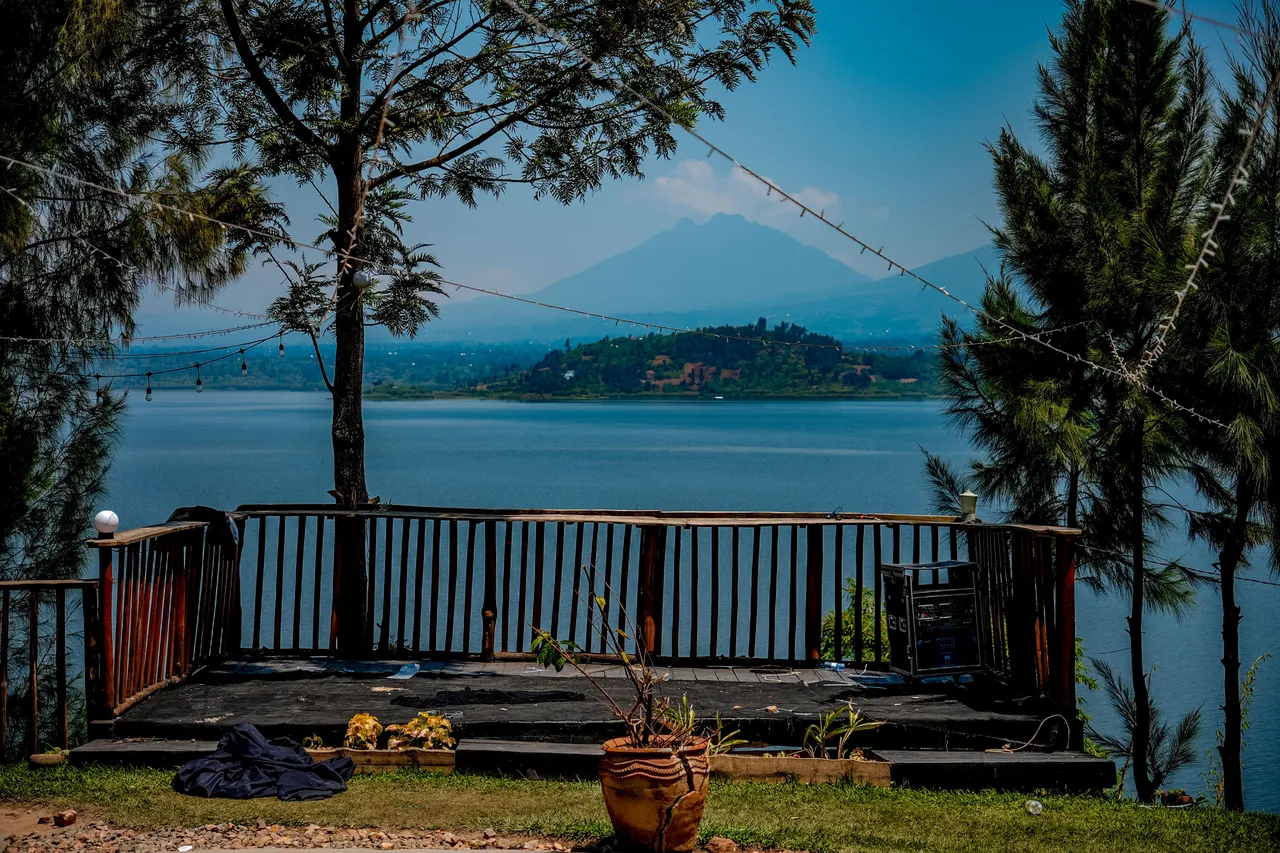
Volcanoes National Park
Rwanda's gorilla park, just two hours from Kigali, with twelve habituated families and five volcanoes.
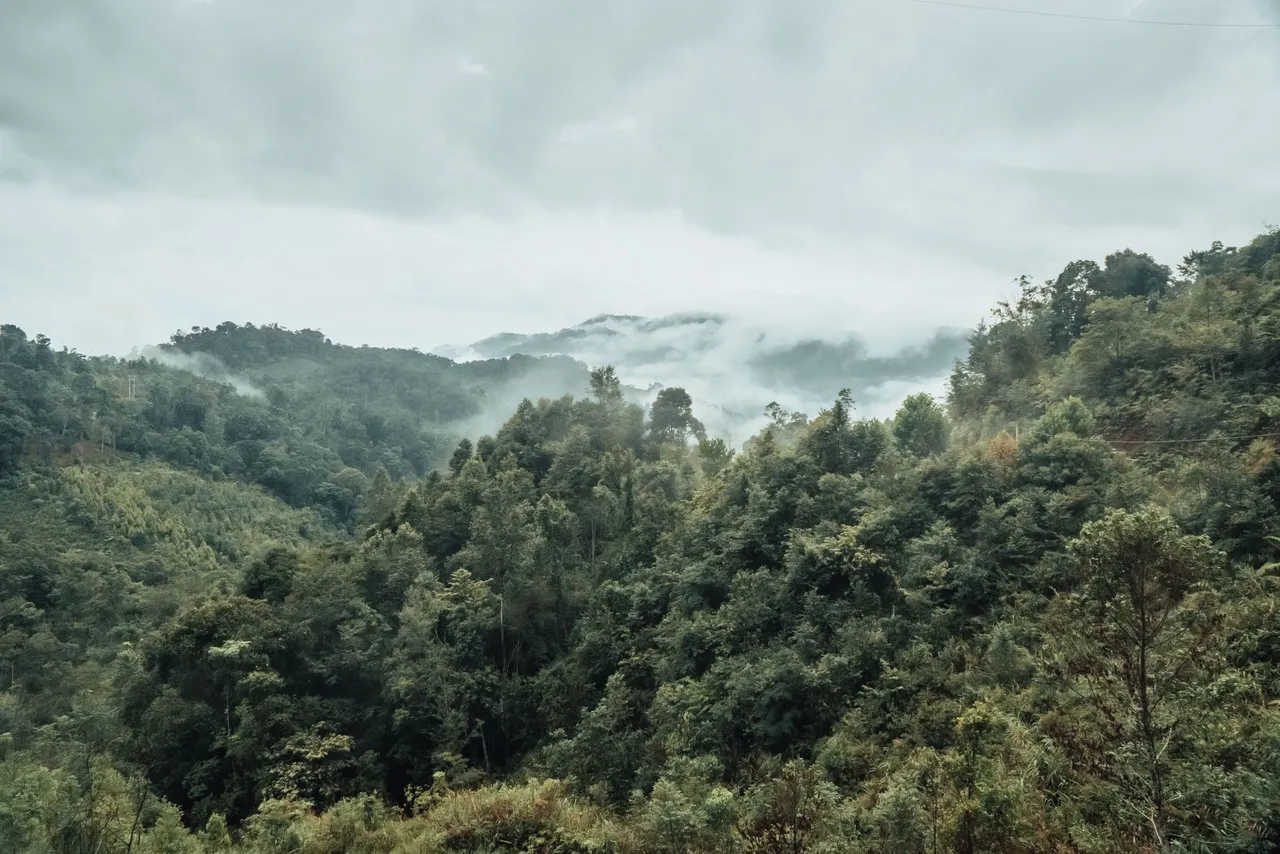
Nyungwe Forest National Park
One of Africa's oldest rainforests, with chimps, 13 primate species and a walkway through the canopy.
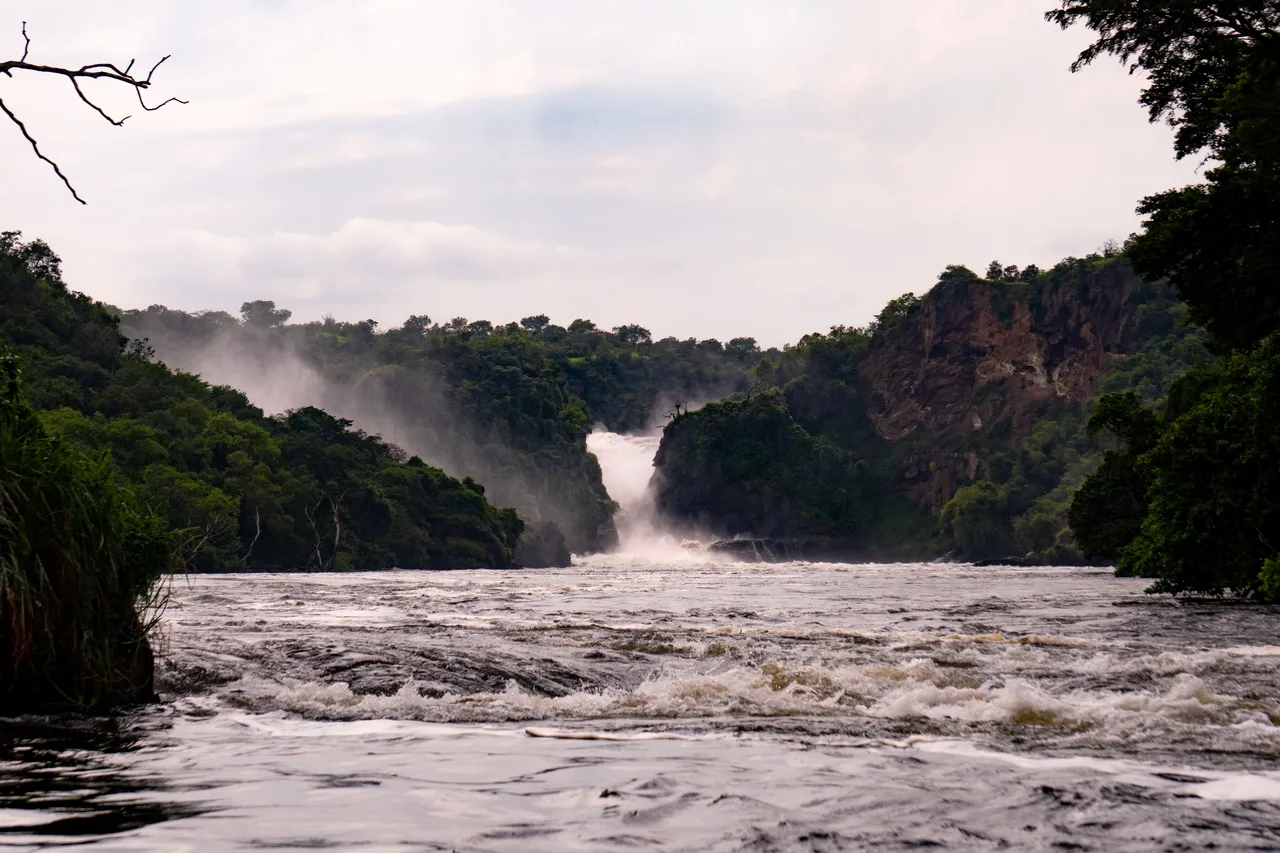
Murchison Falls National Park
The Nile squeezes through a 7-metre gap and drops 43 m, in Uganda's biggest park.
Lake Mburo National Park
A small, hilly park on the road to Bwindi where you can walk, ride and cycle among zebras and impalas.
Last updated 20 September 2026. Fees, permit prices and access rules change; we check them against official sources and operators, but confirm the current figure before you pay. Rift & Reef is not an official park authority.