 Photo: supplied by East Africa Trails
 Quick facts
- Country
- Uganda
- Nearest gateway
- Kampala (about 5-6 hours by road) or Entebbe (flight to Pakuba or Bugungu airstrips)
- Best time
- December to February and June to September
- Size
- About 3,840 sq km
- The falls
- The Nile forced through a gap about 7 m wide, dropping about 43 m
- Best for
- First-time visitors combining big game with a boat cruise
- Crossing
- The Paraa ferry links the north and south banks
- Time needed
- Two to three nights
The Nile at full force
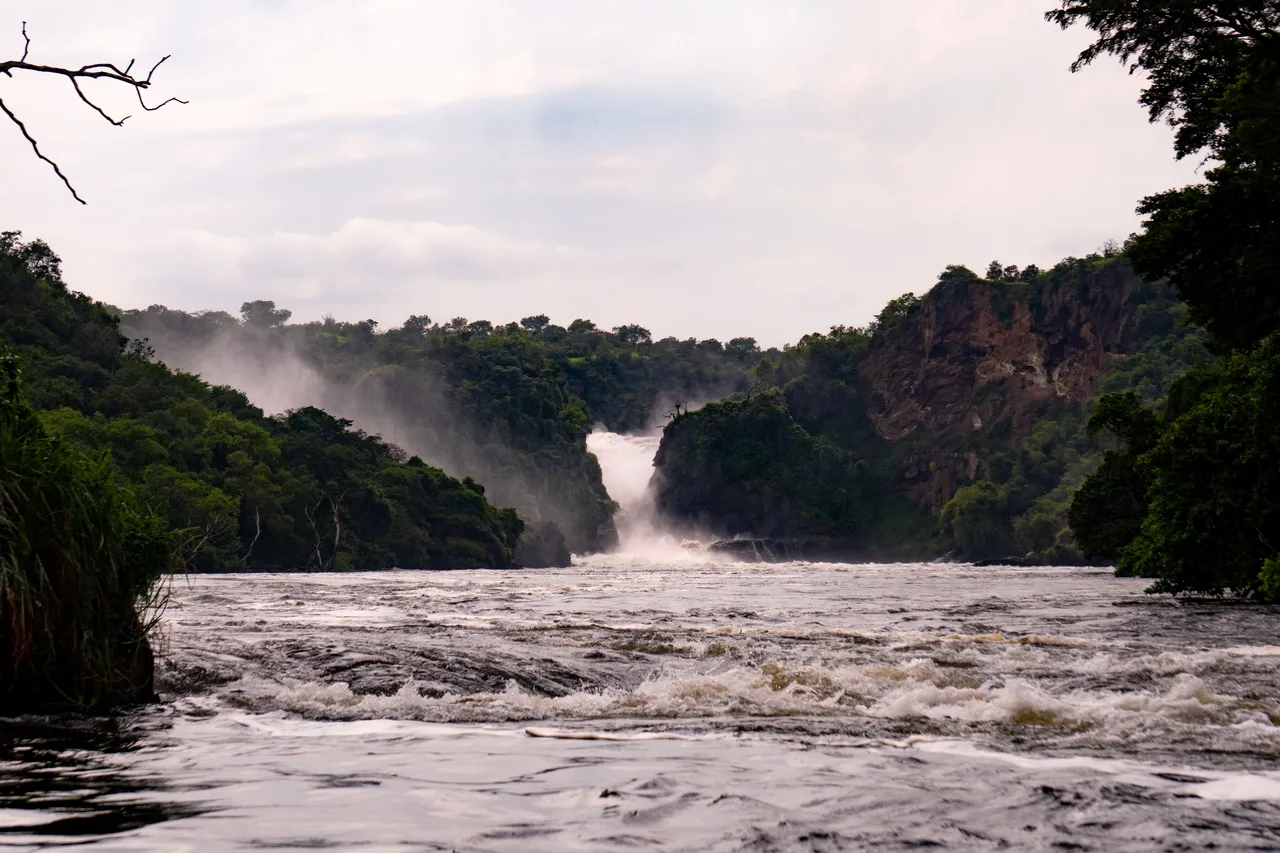
Murchison Falls is a spectacle. The Victoria Nile, which has crossed Lake Kyoga, is forced through a narrow gap of about seven metres in the rock, then plunges roughly 43 metres. The noise and spray are formidable. Downstream, the river calms into a wide, slow channel where hippos, crocodiles and elephants gather.
The park is Uganda’s largest and combines the river with open savanna, woodland and forest. Its wildlife declined during decades of poaching and conflict, and it has recovered steadily. On a game drive you can find elephants, giraffes, buffaloes, lions and a wide variety of antelope.
The boat trip
The boat cruise from Paraa to the base of the falls is the standard first activity. It takes about three hours. You travel slowly past pods of hippos, crocodiles sunning on banks, and elephants and buffalo at the water’s edge. Birds include kingfishers, bee-eaters and African fish eagles. At the end, you’ll be close enough to feel the spray from the falls.
A second boat trip goes to the Nile delta, upstream of Lake Albert, where the shoebill, a large, odd-looking bird, is found in the papyrus swamps. It’s a specialist trip for keen birders.
Game drives
Most game drives take place on the north bank, where the savanna is open and animals are easy to see. Rothschild’s giraffes are a highlight, and Uganda kob, hartebeest and oribi are common. Lions are found here, though they can be elusive. Sunrise drives are best.
Chimps and rhinos
Budongo Forest, on the southern edge of the park, has a habituated chimpanzee community that can be tracked. It’s a good alternative if you aren’t going to Kibale. Ziwa Rhino Sanctuary, on the road from Kampala, is the only place in Uganda where you can track southern white rhinos on foot, and it makes a good stop on the drive.
When to go
December to February and June to September are the drier periods, and roads are generally passable. March to May and October to November are wetter, and some roads can be difficult, but the landscape is green and there are fewer visitors.
Getting there
By road the trip from Kampala takes about five to six hours. The final section can be slow. You can also fly from Entebbe or Kajjansi to airstrips near Paraa. Once in the park, a ferry crosses the Nile at Paraa. Murchison Falls combines well with Kidepo Valley for a northern circuit and with Kibale for a western trip.
Costs
Entry fees for foreign non-residents are charged per person per day by the Uganda Wildlife Authority, and the tariff changes from time to time. Activities such as the boat cruise, chimp tracking and rhino tracking are extra. Accommodation ranges from budget campsites to lodges above the river.
What you can do here
- Nile boat cruise to the falls
- Top of the falls hike
- Game drives (north bank)
- Chimp tracking in Budongo Forest
- Rhino tracking at Ziwa (en route)
- Birdwatching
- Delta boat trip for shoebill
Murchison Falls National Park: common questions
Is the boat trip to the bottom of Murchison Falls worth it?
Yes. The cruise from Paraa takes about three hours return and passes hippos, crocodiles, elephants and many birds before reaching the roar of the falls. It's one of the most popular activities in the park.
Can you see the shoebill in Murchison Falls?
Sometimes. The Nile delta at the top of the park is a habitat for shoebills, and boat trips there are worth doing if you're a birder. Sightings are reasonably good in the dry season, and a local guide improves your chances.
Do you need to stay north or south of the Nile?
The north bank has most of the game drives, with elephants, lions and giraffes, and the falls viewing point. The south bank has Budongo Forest for chimps. Many lodges are on the north bank near Paraa. A ferry crosses the river.
How do you get to Murchison Falls from Kampala?
It's about five to six hours by road, with a stop at Ziwa Rhino Sanctuary if you want to walk with white rhinos. Domestic flights from Entebbe to the park's airstrips are quicker.
Can you combine Murchison Falls with gorilla trekking?
Yes, but it's a long overland route between the park and Bwindi. Most itineraries do a western loop (Kibale, Queen Elizabeth, Bwindi) or a northern one (Murchison, then Kidepo), and flights help if you want both.
Nearby and similar parks
Queen Elizabeth National Park
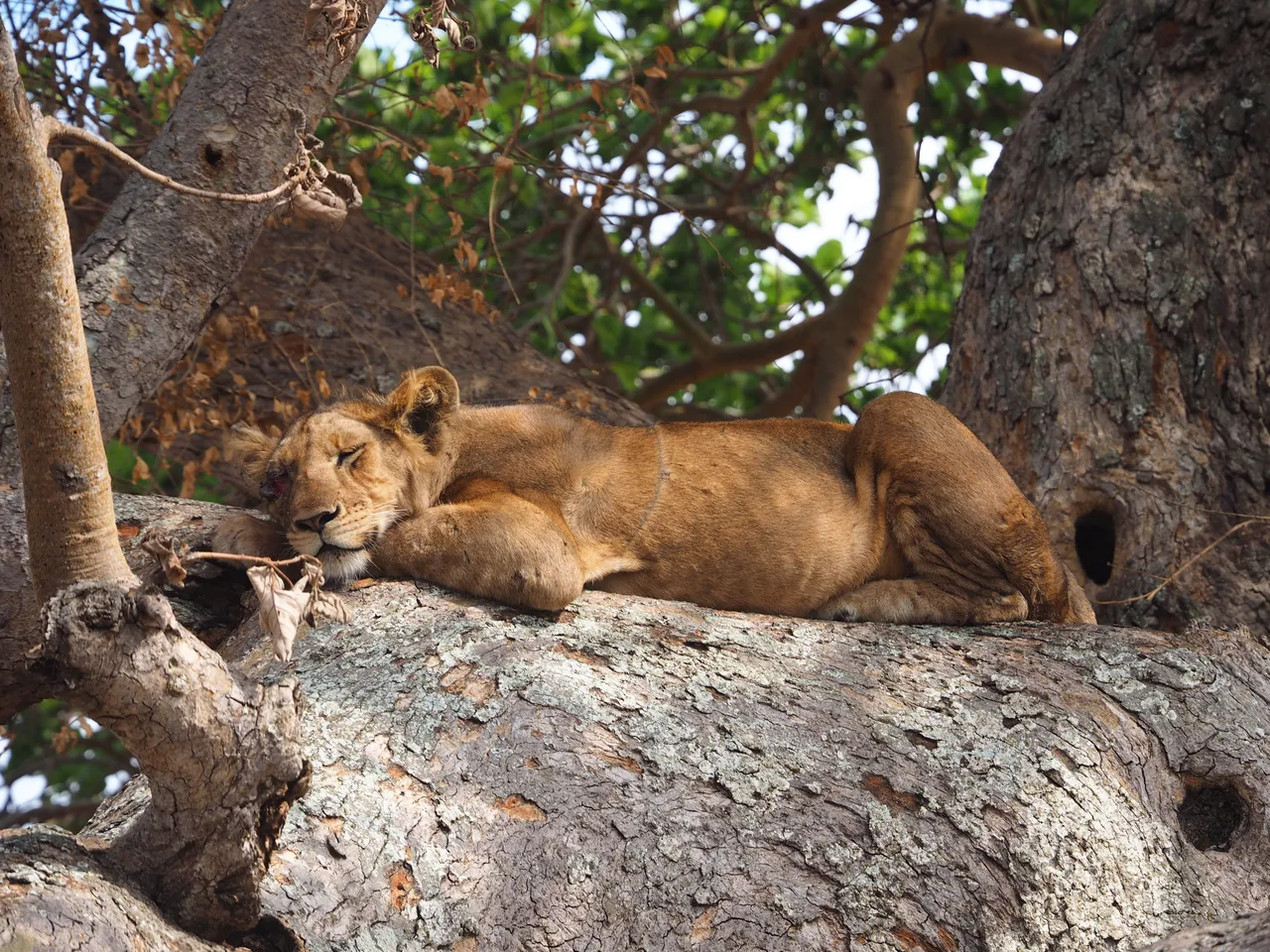
Uganda's most varied park: a boat trip among hippos, tree-climbing lions in Ishasha and chimps in a gorge.
Kibale National Park
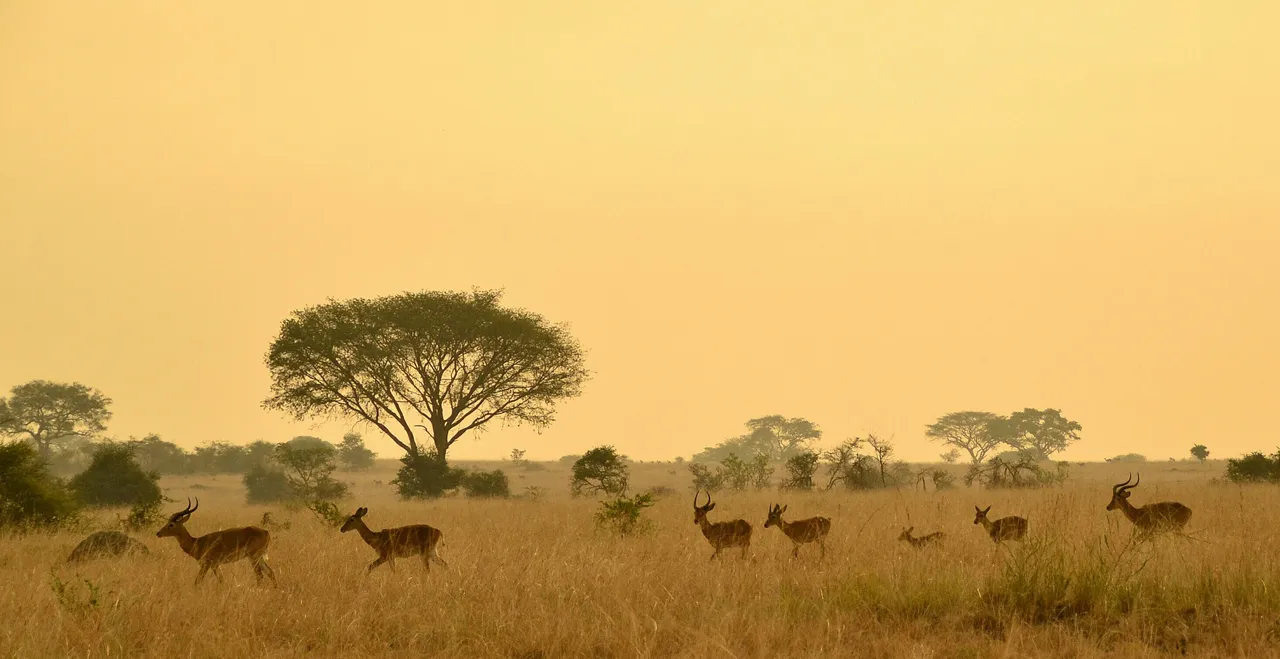
The world's best-known place to see wild chimpanzees, with 12 other primate species in the same forest.
Kidepo Valley National Park
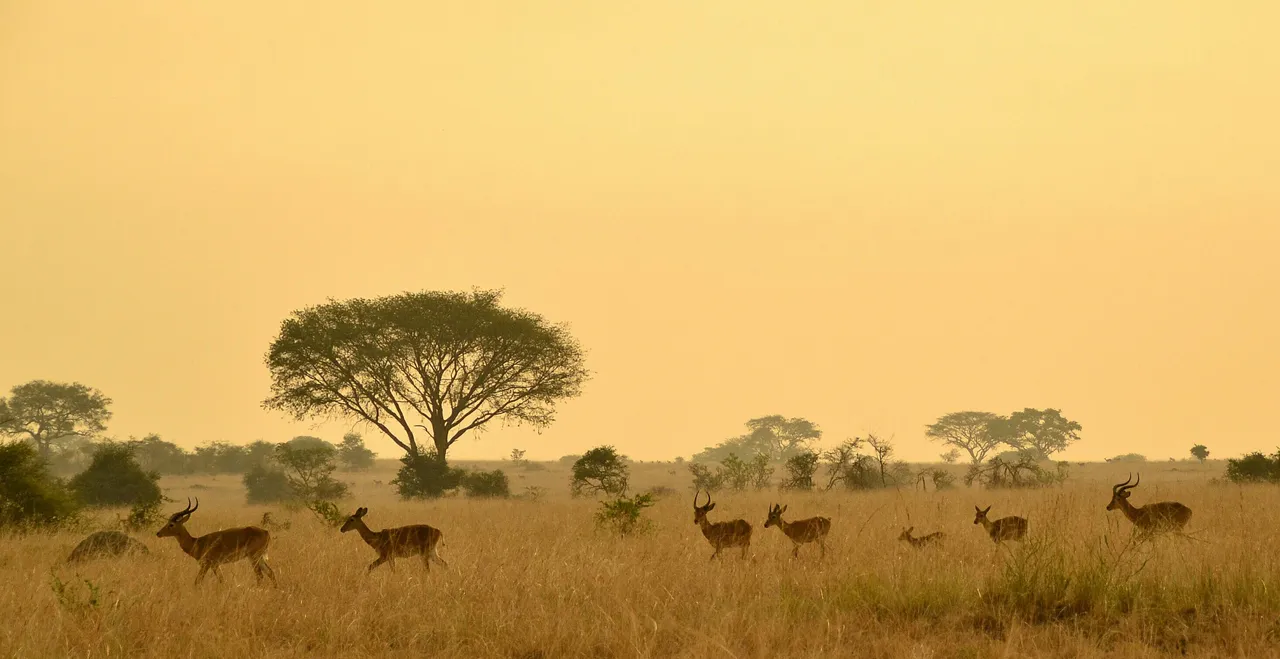
Uganda's most remote park: wide plains, mountain backdrops and animals you can't see elsewhere in the country.
Lake Mburo National Park
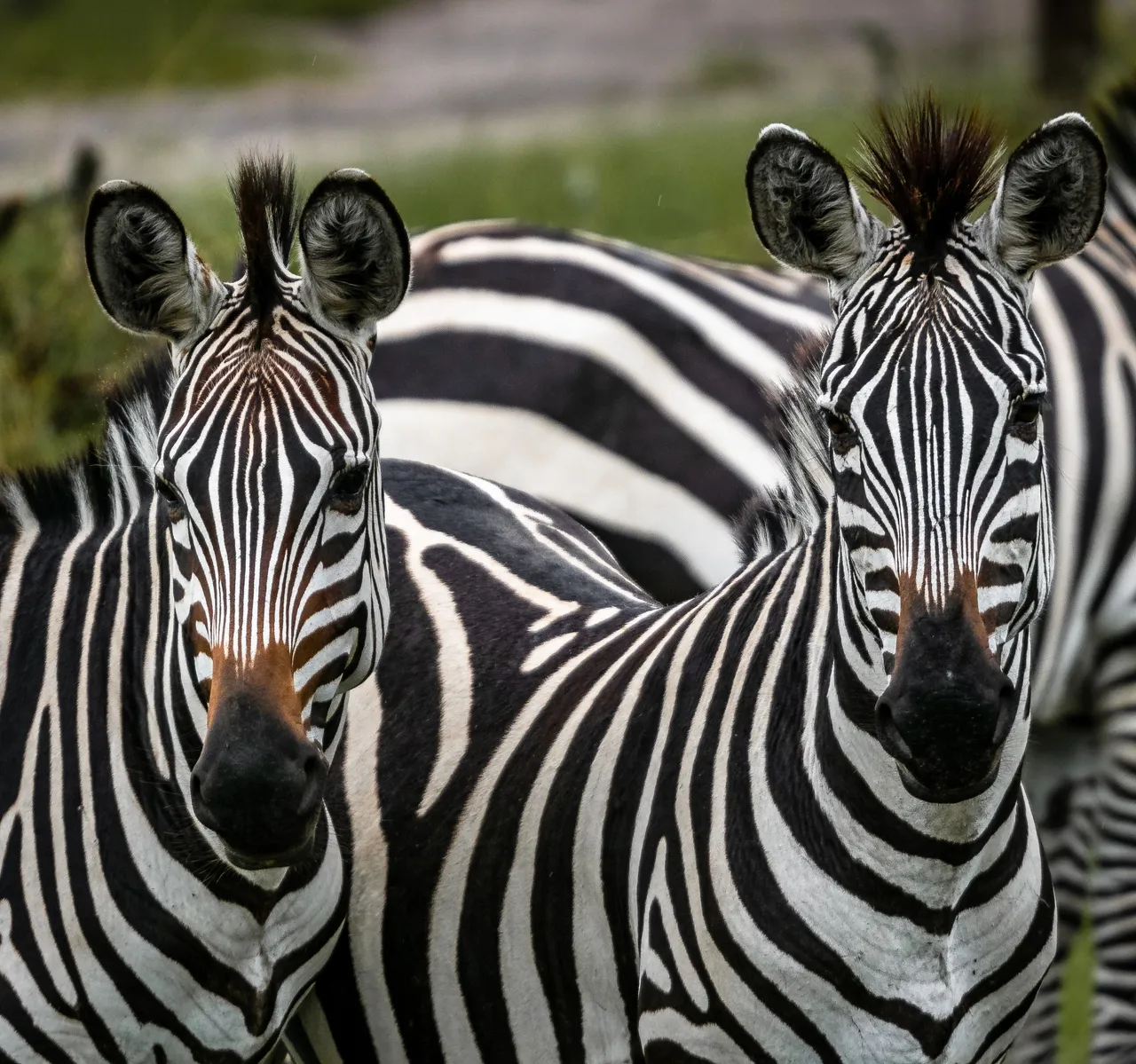
A small, hilly park on the road to Bwindi where you can walk, ride and cycle among zebras and impalas.
Last updated 20 September 2026. Fees, permit prices and access rules change; we check them against official sources and operators, but confirm the current figure before you pay. Rift & Reef is not an official park authority.