 Photo: supplied by East Africa Trails
 Quick facts
- Country
- Uganda
- Nearest gateway
- Kampala (flight of about 2 hours to Lomej airstrip; drive is 10-12 hours)
- Best time
- November to March
- Size
- About 1,440 sq km
- Location
- Borders South Sudan and Kenya
- Access
- Charter or scheduled flights, or a very long drive
- Landscape
- Savanna, rocky hills and seasonal rivers
- Time needed
- Three nights or more
Far from everything
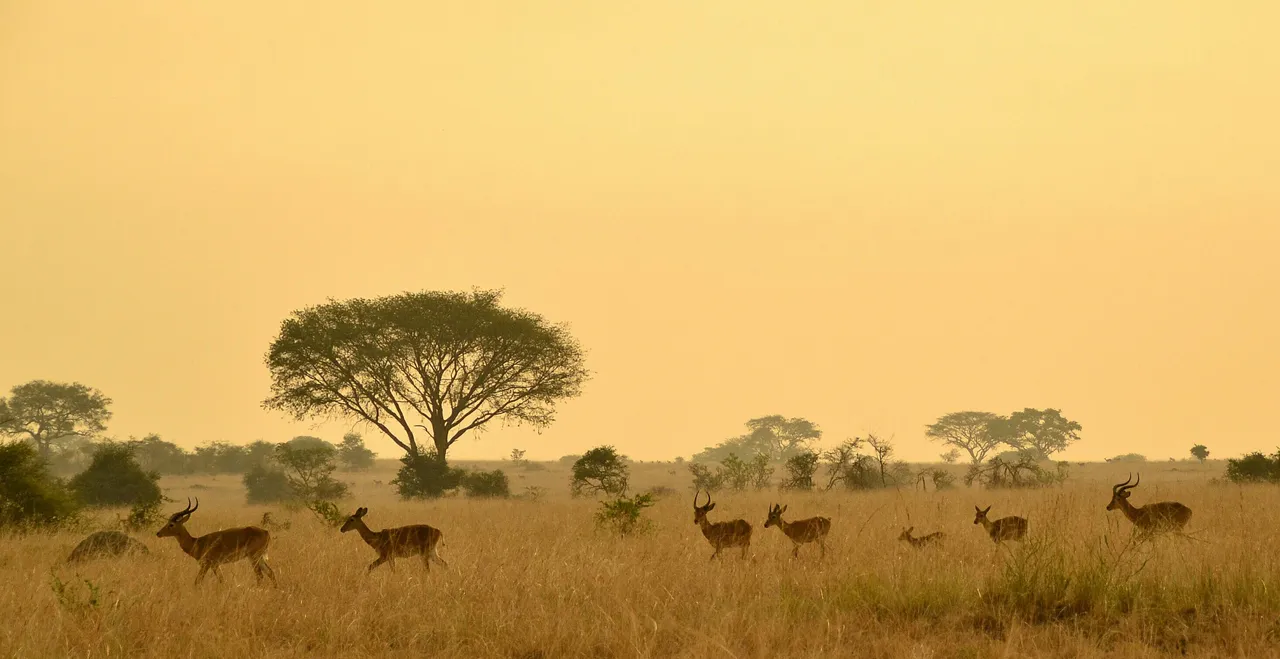
Kidepo is in the extreme northeast of Uganda, at the meeting point of Uganda, South Sudan and Kenya. It’s hot and dry, with wide plains, thorn scrub and rocky mountains on the horizon. Compared with most Ugandan parks, it’s wide open, and animals are easy to see.
Because it’s so far away, few tourists visit. That’s part of its appeal. A game drive here often has no other vehicles in sight.
Wildlife
Some of Kidepo’s animals are hard to find elsewhere in Uganda. The plains of the Narus Valley support large herds of buffalo, elephants, giraffes and zebras. Cheetah, greater kudu and Jackson’s hartebeest are among the specialities. Lions are present, and leopards are sometimes spotted. Ostrich walk across the plains, and the birding is outstanding, with more than 450 recorded species including raptors and dry-country specialists.
People and culture
The Karamojong pastoralists live around the park, as do the Ik, a small community that lives high in the Morungole mountains. Some lodges arrange respectful cultural visits. As with any community visit, ask how the visit is organised and how it benefits local people.
When to go
The dry season, roughly November to March, is best for wildlife viewing and driving. During the rains, from April to October, the park is green and the scenery is dramatic, but some roads are hard to use, and animals are more dispersed.
Getting there
The easy way is a flight of about two hours from Entebbe or Kajjansi to Lomej airstrip. Driving from Kampala takes 10 to 12 hours, and the road through the north is long, but it can be done with an overnight at Murchison Falls or Gulu. A combined itinerary with Murchison Falls makes a northern Uganda circuit.
Costs
Park entry for foreign non-residents is charged by the Uganda Wildlife Authority, and the tariff changes periodically. Because of the travel costs, Kidepo is generally more expensive than other Ugandan parks. Lodges are few and range from comfortable tented camps to simple bandas. Book a few months ahead.
What you can do here
- Game drives in the Narus Valley
- Nature walks
- Cultural visits (Karamojong and Ik communities)
- Birdwatching
- Sundowners on the plains
Kidepo Valley National Park: common questions
Is Kidepo worth the trouble of getting there?
If you want an uncrowded, wild park and are comfortable with the extra cost of flights, yes. The scenery is dramatic, wildlife sightings are excellent and few visitors go. It isn't the easiest place for a first visit to Uganda.
What animals live only in Kidepo?
It has several species not found in other Ugandan parks, including cheetah and greater kudu, plus Jackson's hartebeest, ostrich and various dry-country birds. Lions are present, and leopards are seen from time to time.
How do you get to Kidepo?
Scheduled and charter flights from Entebbe or Kajjansi take about two hours to Lomej airstrip. The road journey from Kampala is 10 to 12 hours, and often broken up with a night at Murchison Falls or Gulu.
When is the best time to visit?
November to March is dry and best for wildlife and roads. April to October has more rain, and some tracks can be muddy, though the park is green and dramatically beautiful.
Is Kidepo safe?
The park has been safe for visitors in recent years, and lodge and operator staff will advise on current conditions. Check your government's travel advice, particularly regarding border areas.
Nearby and similar parks
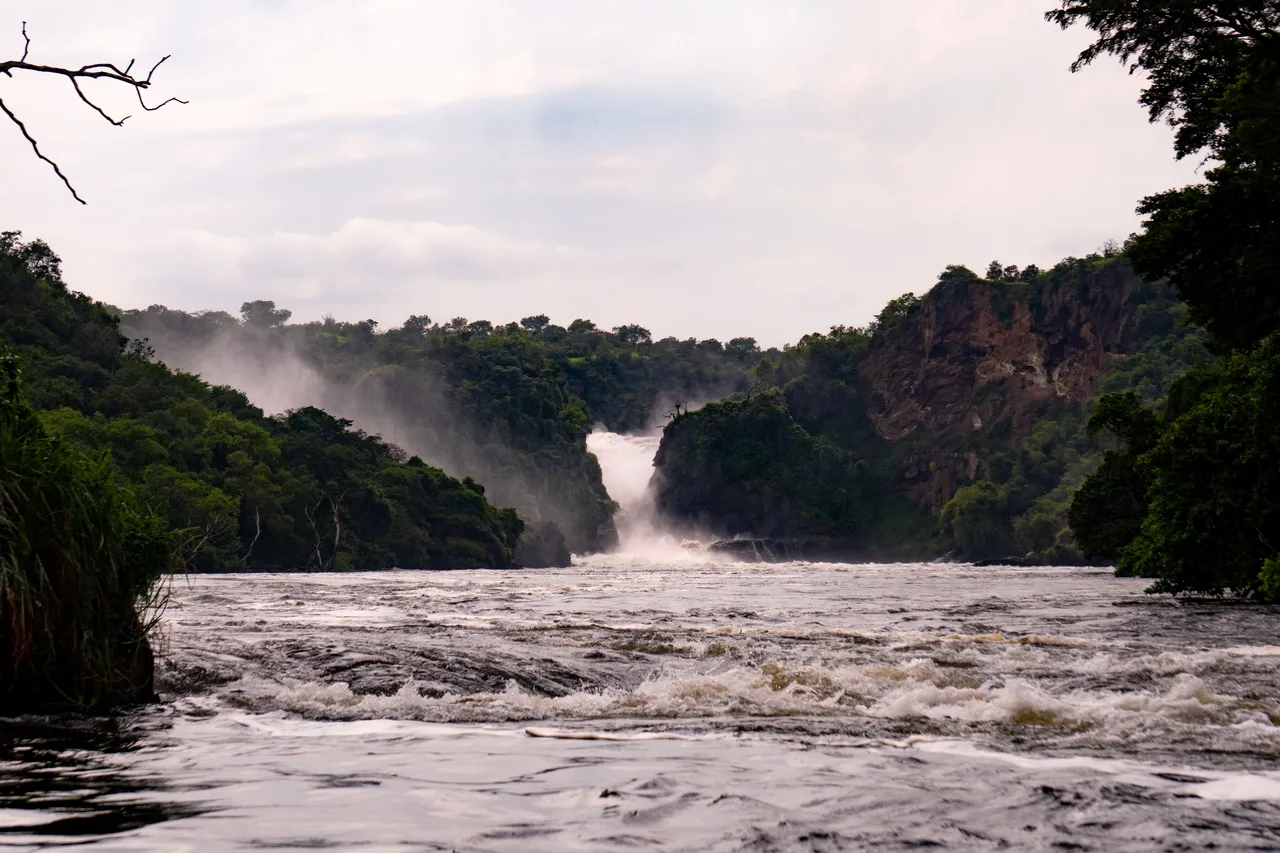
Murchison Falls National Park
The Nile squeezes through a 7-metre gap and drops 43 m, in Uganda's biggest park.
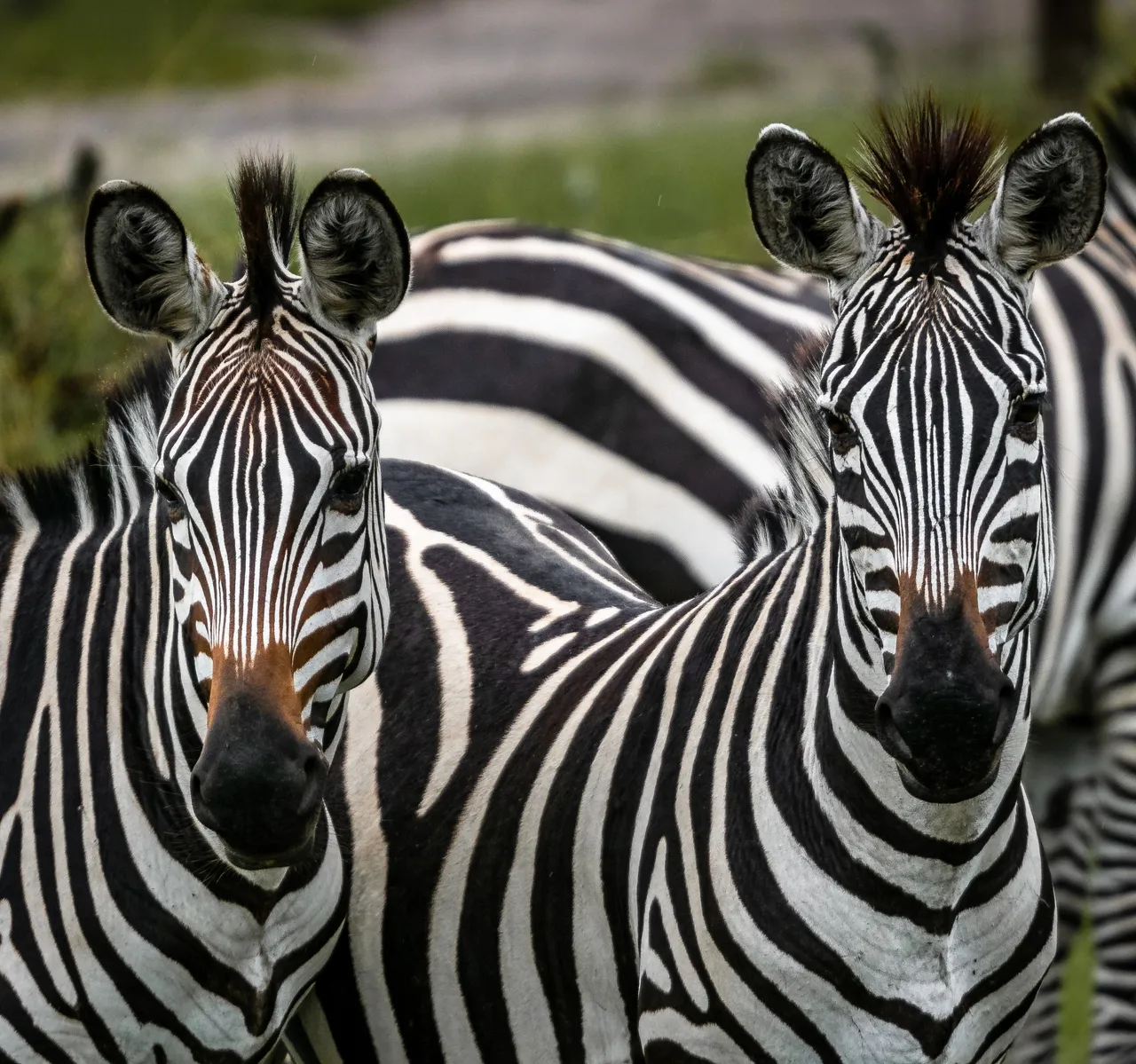
Lake Mburo National Park
A small, hilly park on the road to Bwindi where you can walk, ride and cycle among zebras and impalas.
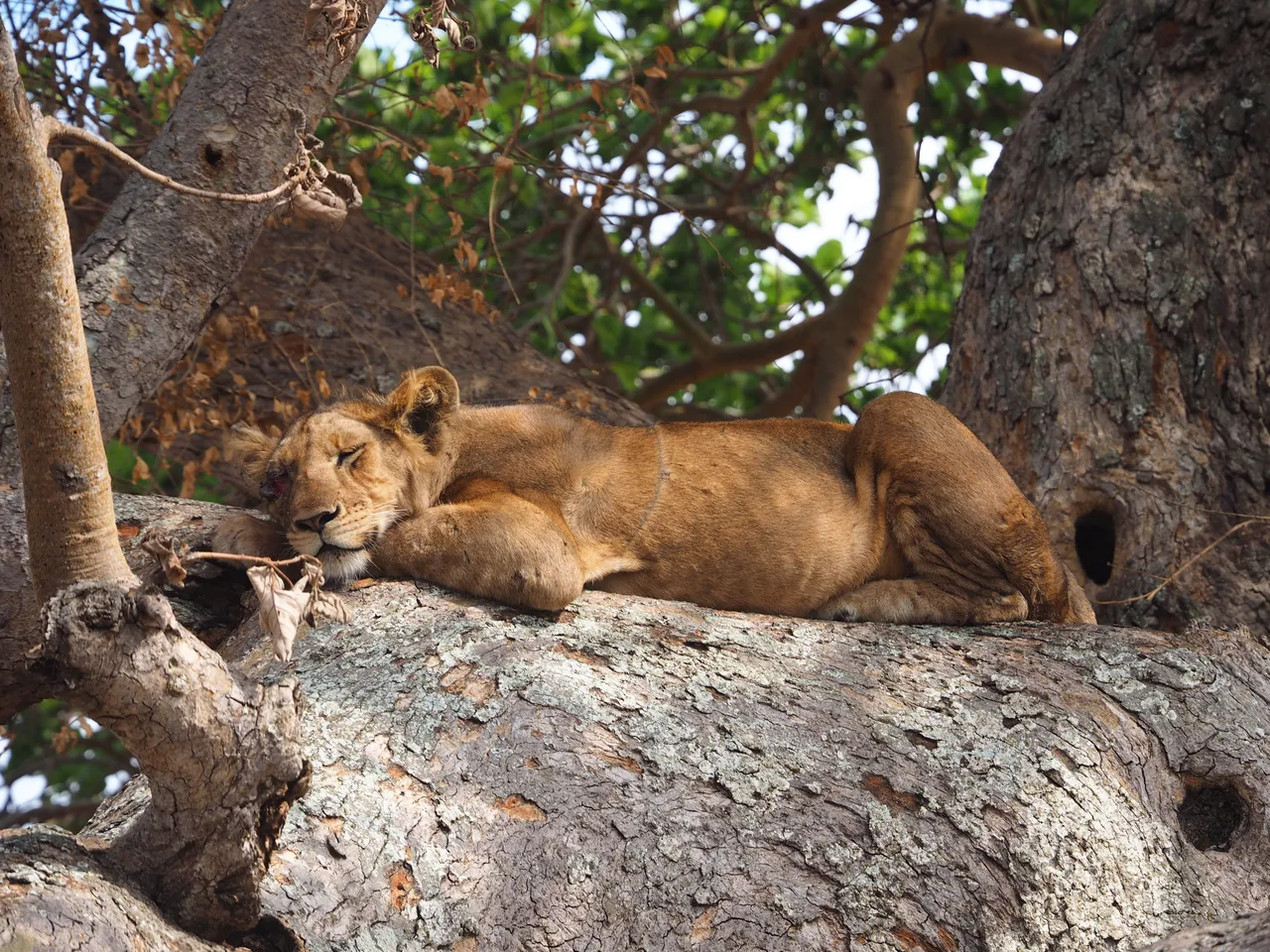
Queen Elizabeth National Park
Uganda's most varied park: a boat trip among hippos, tree-climbing lions in Ishasha and chimps in a gorge.
Samburu National Reserve
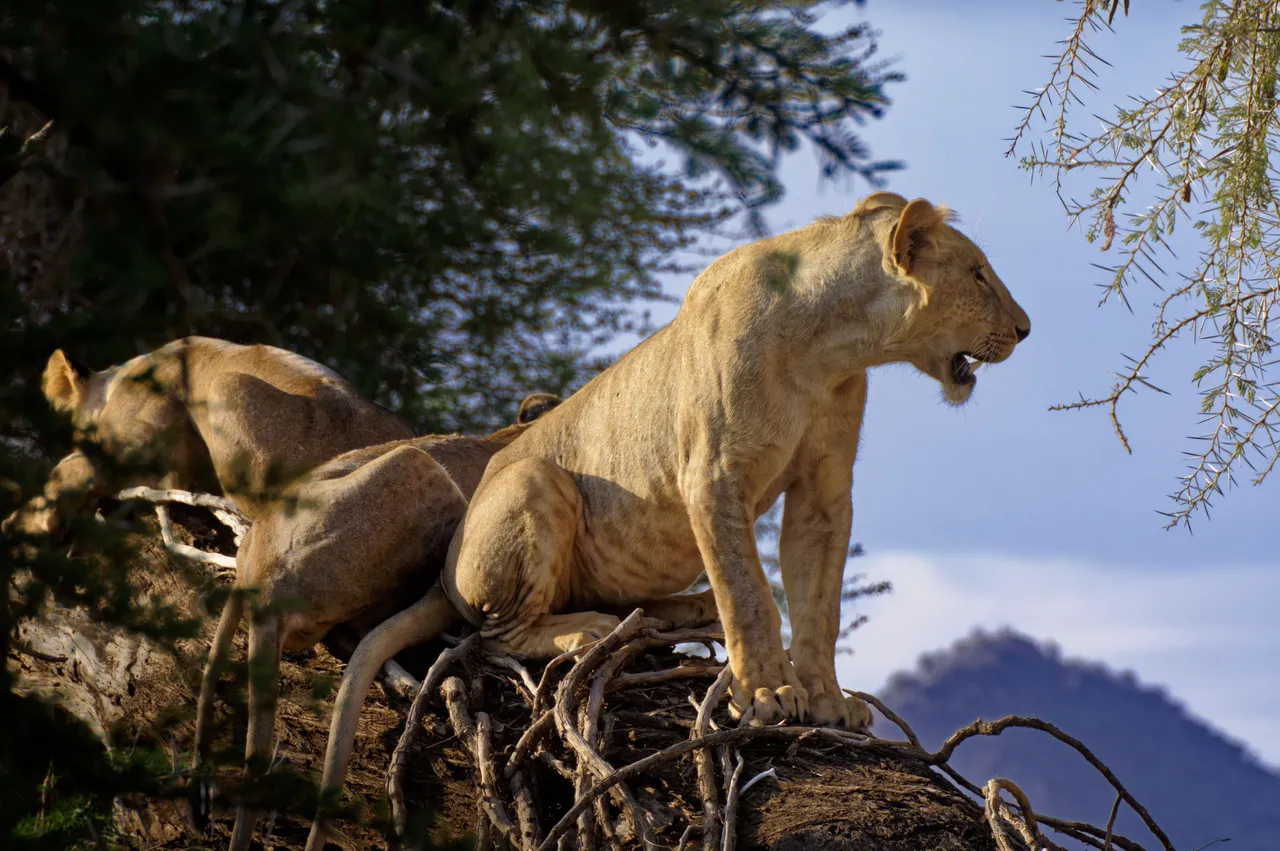
Hot, dry northern Kenya, where the Ewaso Ng'iro river draws elephants, leopards and species you won't see in the south.
Last updated 20 September 2026. Fees, permit prices and access rules change; we check them against official sources and operators, but confirm the current figure before you pay. Rift & Reef is not an official park authority.