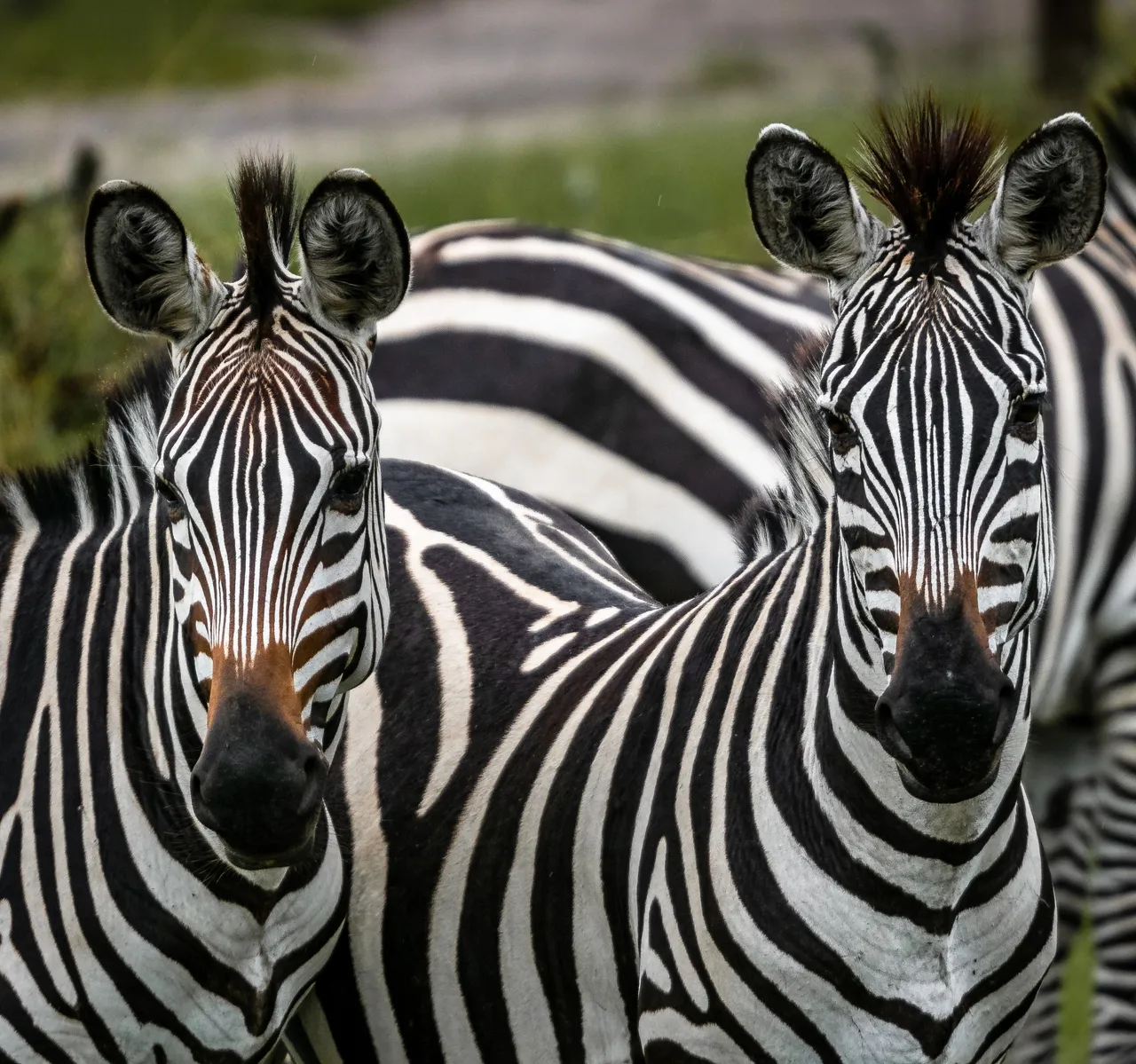
 Photo: supplied by East Africa Trails
 Quick facts
- Country
- Uganda
- Nearest gateway
- Kampala (about 4 hours by road)
- Best time
- June to September and December to February
- Size
- About 370 sq km
- Time needed
- One night on the way to or from the west
- Distance
- About 230-250 km from Kampala
- Big predators
- Few; no elephants, lions are rare
- Best for
- Walking and riding among plains game
A gentle, walkable park
Lake Mburo is the smallest of Uganda’s savanna parks and one of the easiest to visit. It’s a landscape of rolling hills, acacia woodland and lakes, with wetlands along the water. The park sits on the road between Kampala and western Uganda, which makes it a natural night stop on the way to Bwindi or Queen Elizabeth.
Because there are no elephants and few large predators, it’s one of the few Ugandan parks where you can walk, ride or cycle among the wildlife. That’s its appeal.
Wildlife
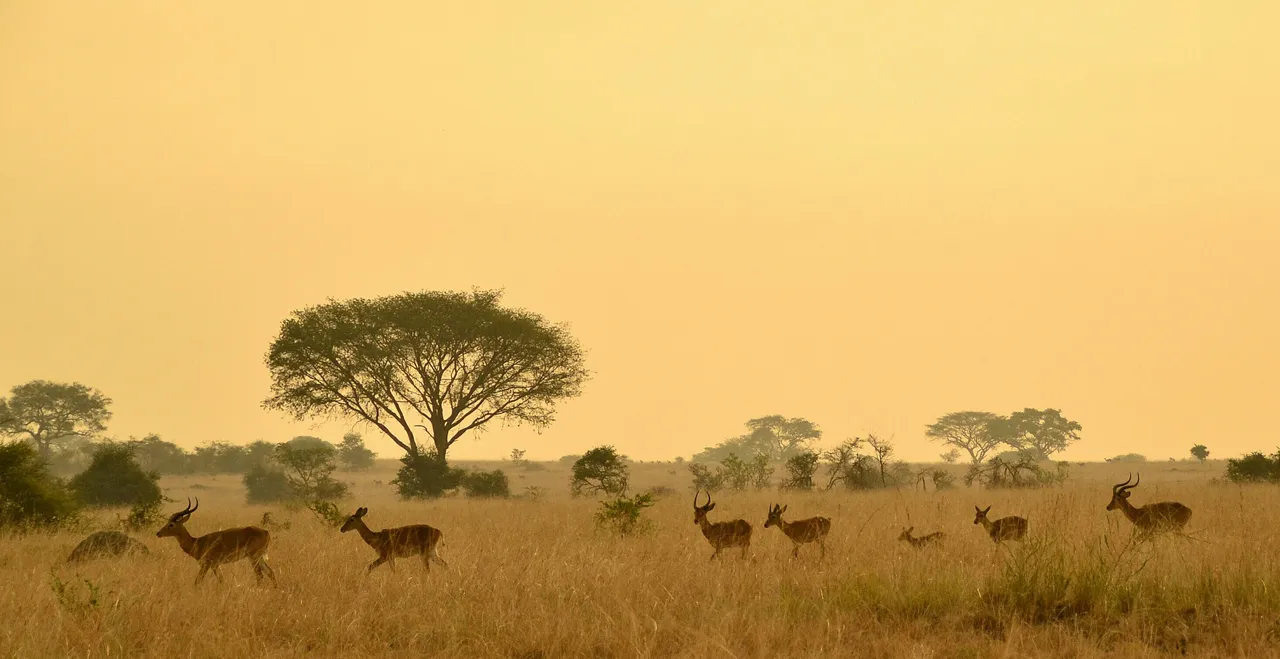
Plains game is abundant. Zebras graze in big groups, impalas (found nowhere else in Uganda) leap across the grasslands, and elands, topi, waterbuck and buffalo are common. Hippos and crocodiles live in the lake. Leopards live here but are rarely seen. More than 300 bird species include the African finfoot and papyrus specialists in the swamps.
Long-horned Ankole cattle graze on the park’s edges, and herders live alongside the wildlife.
Activities
Guided walks are the most popular activity. A ranger with a rifle leads you across the plains and can explain the tracks, plants and insects you’d miss in a vehicle. Horseback safaris are offered at a few lodges and are an unusual way to get close to zebras and antelope. There is also a boat trip on the lake, with hippos and birds, and night drives to look for bush babies and hyenas.
When to go
June to September and December to February are drier and easier. In the wet months from March to May, and October to November, the park is green but some tracks can be muddy.
Getting there
The main gate at Nshara is about 4 hours by road from Kampala on a good highway, then a short murram (dirt) road. It’s on the route to Bwindi and Queen Elizabeth, and easy to add to any western Uganda itinerary. Some visitors also stop at the Equator crossing on the way.
Costs
The Uganda Wildlife Authority sets park entry fees for foreign non-residents, and activity fees such as walks and boat trips are extra. Accommodation ranges from campsites to comfortable lodges. It’s usually good value for a one-night stop.
What you can do here
- Walking safaris
- Horseback safaris
- Cycling
- Boat trip on Lake Mburo
- Night drives
- Birdwatching
- Community visits to Ankole herders
Lake Mburo National Park: common questions
Is Lake Mburo worth a stop?
Yes, if you're driving between Kampala and Bwindi or Queen Elizabeth. It breaks up a long drive and offers activities that aren't possible in many other Ugandan parks, such as walking safaris and horseback safaris among zebras and impalas.
Which animals are found only in Lake Mburo?
It's the only park in Uganda with impalas. It's one of very few with zebras and elands as well, and it has a good population of topi and buffalo.
Can you walk in Lake Mburo?
Yes. Guided walks with an armed ranger are a highlight, since there are no elephants or many big predators in the park. Some lodges offer horseback safaris.
Can you see lions or elephants?
There are no elephants and lions are rare. The park's appeal is plains game, hippos, birds and the ability to walk or ride among them.
How long should you stay?
One night is enough for most itineraries, with an afternoon activity and a morning walk. Two nights suit people who want time for horseback riding and boat trips.
Nearby and similar parks
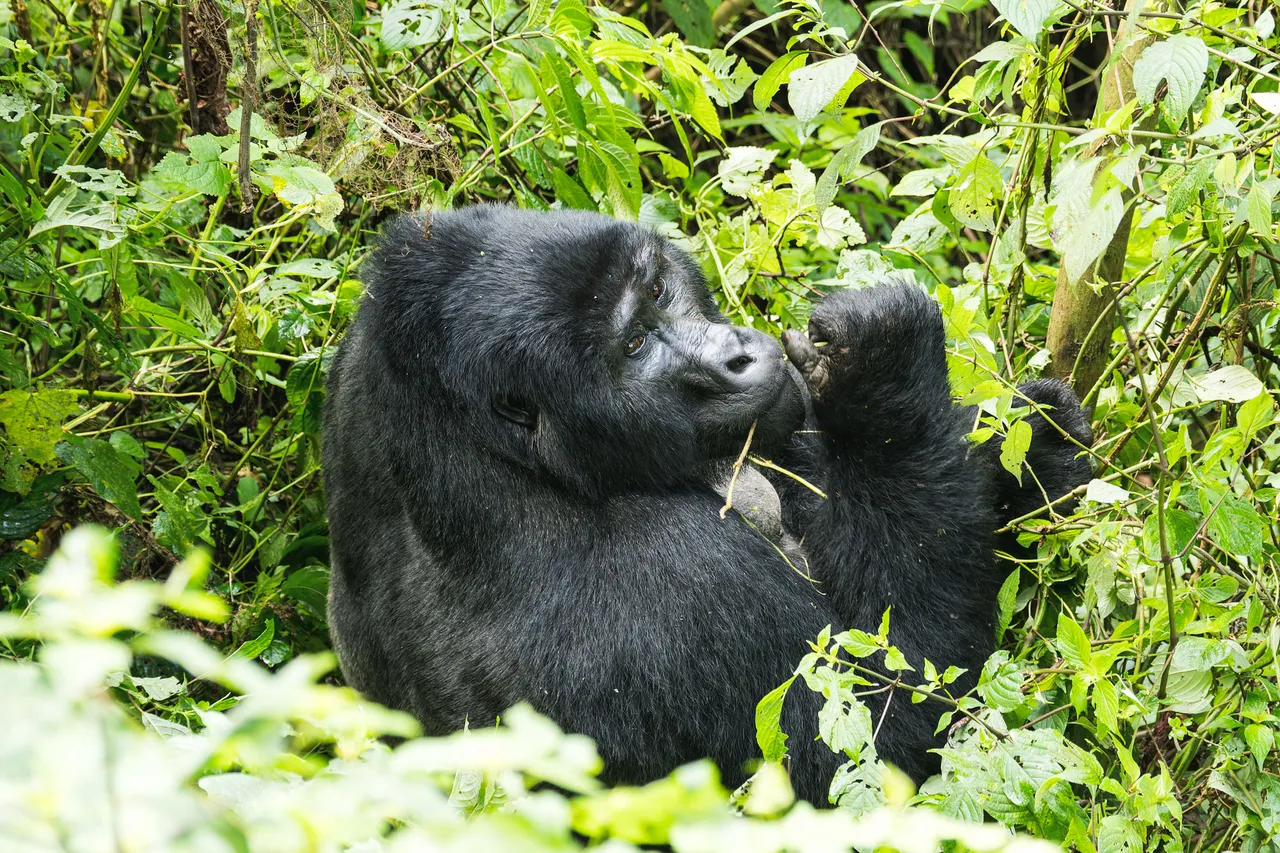
Bwindi Impenetrable National Park
Home to nearly half the world's mountain gorillas, in ancient forest on steep green hills.
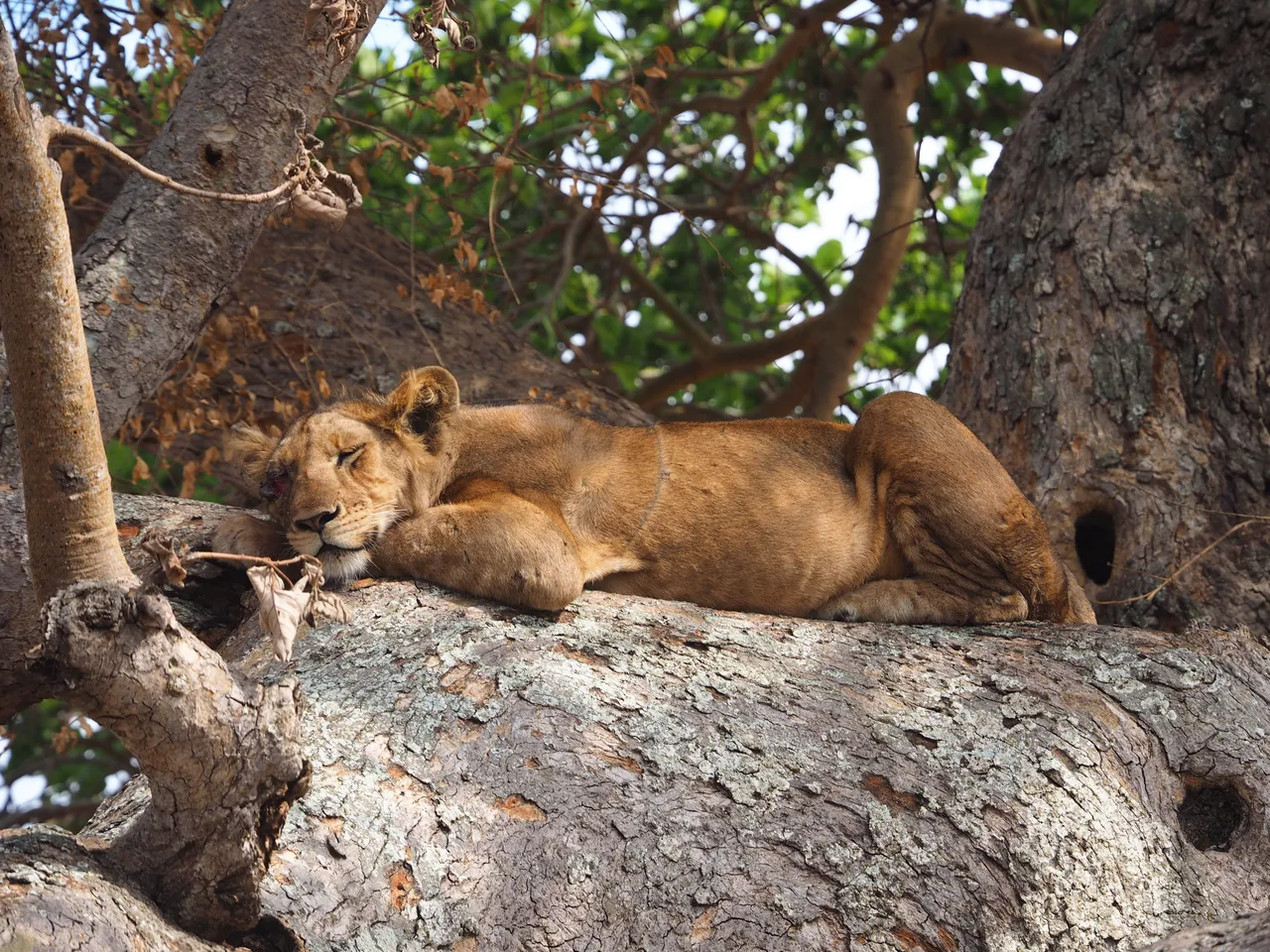
Queen Elizabeth National Park
Uganda's most varied park: a boat trip among hippos, tree-climbing lions in Ishasha and chimps in a gorge.
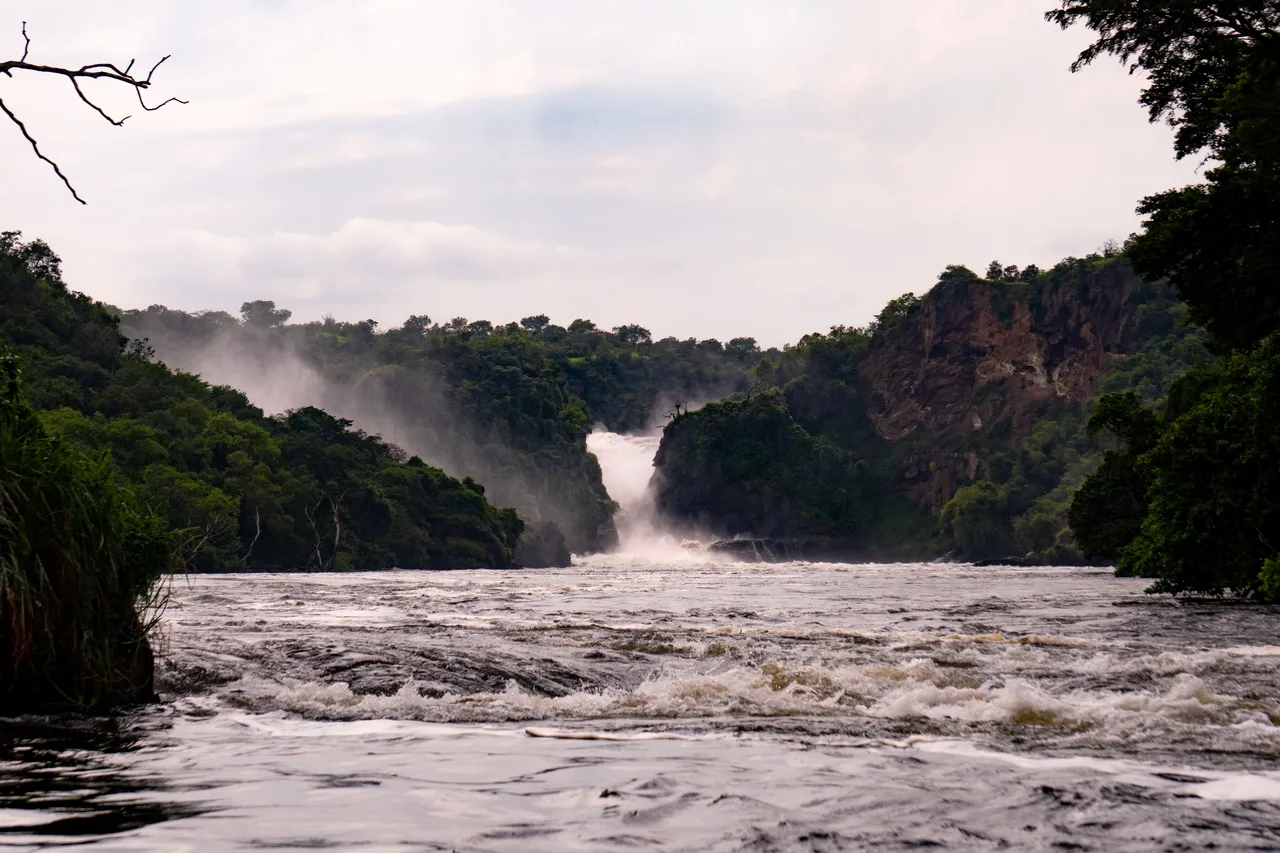
Murchison Falls National Park
The Nile squeezes through a 7-metre gap and drops 43 m, in Uganda's biggest park.
Kibale National Park
The world's best-known place to see wild chimpanzees, with 12 other primate species in the same forest.
Last updated 20 September 2026. Fees, permit prices and access rules change; we check them against official sources and operators, but confirm the current figure before you pay. Rift & Reef is not an official park authority.