 Photo: supplied by East Africa Trails
 Nairobi at a glance
- Airport
- Jomo Kenyatta International (NBO), about 18 km from the centre; Wilson Airport for domestic flights
- Altitude
- About 1,795 m; cool evenings
- Best months
- June to October and January to February (driest)
- Time needed
- One to two nights around a safari
- Getting around
- Uber, Bolt and Little rideshare; hotel cars
- Currency
- Kenyan shilling (KES)
Nairobi in a sentence
Nairobi is a big, busy, sometimes clogged city with skyscrapers, coffee shops, a serious food scene and an actual national park on its southern edge. Most visitors treat it as a stopover on the way to safari. That’s a shame, because a day or two here is one of the better ways to start or end a trip.
Where to stay
The neighbourhood matters more than the hotel.
Karen and Lang’ata are green, quiet and close to Nairobi National Park, the Giraffe Centre, the Sheldrick Trust’s elephant orphanage and the Karen Blixen Museum. If you only have one night, stay here. It’s also where the famous Giraffe Manor is, though it books out many months ahead. Rooms near Wilson Airport are useful if you’re flying out early for the Mara.
Westlands is the most lively area, with restaurants, bars and shopping malls. It’s a good choice if you’re staying two nights and want dining options.
Gigiri is calm and international, with embassies, the UN and Village Market, a mall with restaurants and a craft market.
Near the airport has a few hotels and is useful only if you’re landing very late or leaving very early.
Getting around
Traffic is the main constraint. A journey of 10 km can take an hour at rush hour, which in Nairobi runs roughly 7am to 9am and 4pm to 8pm. Plan your day around that.
Uber, Bolt and Little are the standard way to move around, and they’re cheap by Western standards. Hotels can also arrange a driver by the day. Matatus (minibuses) and boda bodas (motorbike taxis) are cheap but not recommended for visitors carrying luggage. The Nairobi Expressway is a toll road that links the airport to Westlands and can be much quicker at peak times.
What’s worth your time
Nairobi National Park. Lions, rhinos, giraffes and buffalo with the skyline as backdrop. It’s twenty minutes from the centre. Read the Nairobi National Park guide.
Sheldrick Wildlife Trust. Orphaned elephants and rhinos are raised here and released back to the wild. The public visit is a single hour each day and needs a booking.
Giraffe Centre. You feed Rothschild’s giraffes from a raised platform. It’s touristy but fun, especially with children.
Nairobi National Museum. Well worth a couple of hours for the fossils, including hominid finds from Kenya’s Rift Valley, and for its exhibits on Kenyan culture and history.
Karura Forest. A large urban forest with walking and cycling trails, a waterfall and a very civil atmosphere. It’s a good morning walk.
Karen Blixen Museum. The house where the author of Out of Africa lived. It’s more for readers and film fans than for everyone.
Markets. The Maasai Market moves between locations on different days of the week, so check where it’s on. Village Market’s craft section is reliable. Bargain politely.
Eating
Nyama choma, grilled meat with kachumbari (tomato and onion salad) and ugali (a maize staple), is the local classic. Try it at a local grill. Carnivore, a game-meat restaurant, is a tourist staple and reliably fun. Kenyan coffee is excellent, and you’ll find good cafés in Westlands and Karen. Chapati, samosas and mandazi are everyday snacks. Kenya’s Indian restaurants are also very good.
Money and phones
The currency is the Kenyan shilling (KES). Cards are widely accepted in hotels and restaurants, and ATMs are common in malls. M-Pesa mobile money is used everywhere, but you don’t need it as a visitor. For phones, Safaricom has the best coverage and sells SIM cards at the airport, though you must register with a passport. An eSIM saves the queue if your phone supports it.
A sensible two-day plan
Day one: Morning at Nairobi National Park, then the Sheldrick orphanage (book the public hour), lunch in Karen and the Giraffe Centre in the afternoon. Dinner in Karen or Westlands.
Day two: A slow morning at Karura Forest or the National Museum, then a late lunch. If you’re flying out in the afternoon, leave plenty of buffer for traffic to Wilson or JKIA.
Before and after safari
Nairobi is the launch pad for the Maasai Mara, Amboseli and Lake Nakuru. It’s also a common connection to Uganda and Rwanda. Leave at least four hours between an international arrival and a domestic flight, or plan a night in town. Domestic flights depart from Wilson Airport, not JKIA, which catches out many first-time visitors.
Nairobi travel FAQ
How many days do you need in Nairobi?
One full day is enough for the highlights, and two nights lets you add a slower morning at Karura Forest or the National Museum. Most safari travellers arrive late at night and fly out to the Mara the next morning, so a night on the way back gives you the time to see the city.
Is Nairobi safe for tourists?
Millions of visitors pass through without trouble, but petty theft and phone snatching are real, especially in the central business district. Use Uber, Bolt or your hotel's driver after dark, keep phones and cameras out of sight in traffic and don't walk around the CBD with valuables. Your hotel will tell you which areas to avoid.
How do you get from Nairobi airport to the city?
Uber and Bolt run from the airport and are the easiest way, taking 30 to 60 minutes depending on traffic. The Nairobi Expressway toll road links the airport to Westlands and can save time. Book a hotel transfer if you're arriving late at night.
Where should you stay in Nairobi?
Karen is leafy and close to the giraffe and elephant attractions. Westlands has restaurants and a lot of hotels. Gigiri is quiet and close to the UN offices and Village Market. If you have an early flight from Wilson Airport, book somewhere in Karen or Lang'ata.
Can you visit the elephant orphanage?
Yes. The Sheldrick Wildlife Trust elephant orphanage in Nairobi National Park opens to the public for one hour a day around mid-morning. Book ahead on the trust's website, because places are limited. Other visits are by foster-parent arrangement.
What's the best way to get to Mombasa from Nairobi?
The Madaraka Express, the Standard Gauge Railway, takes about five hours and is comfortable and reliable. It leaves from Nairobi Terminus at Syokimau, near the airport. Flights take about an hour, and buses are slower.
Trips that start or end in Nairobi
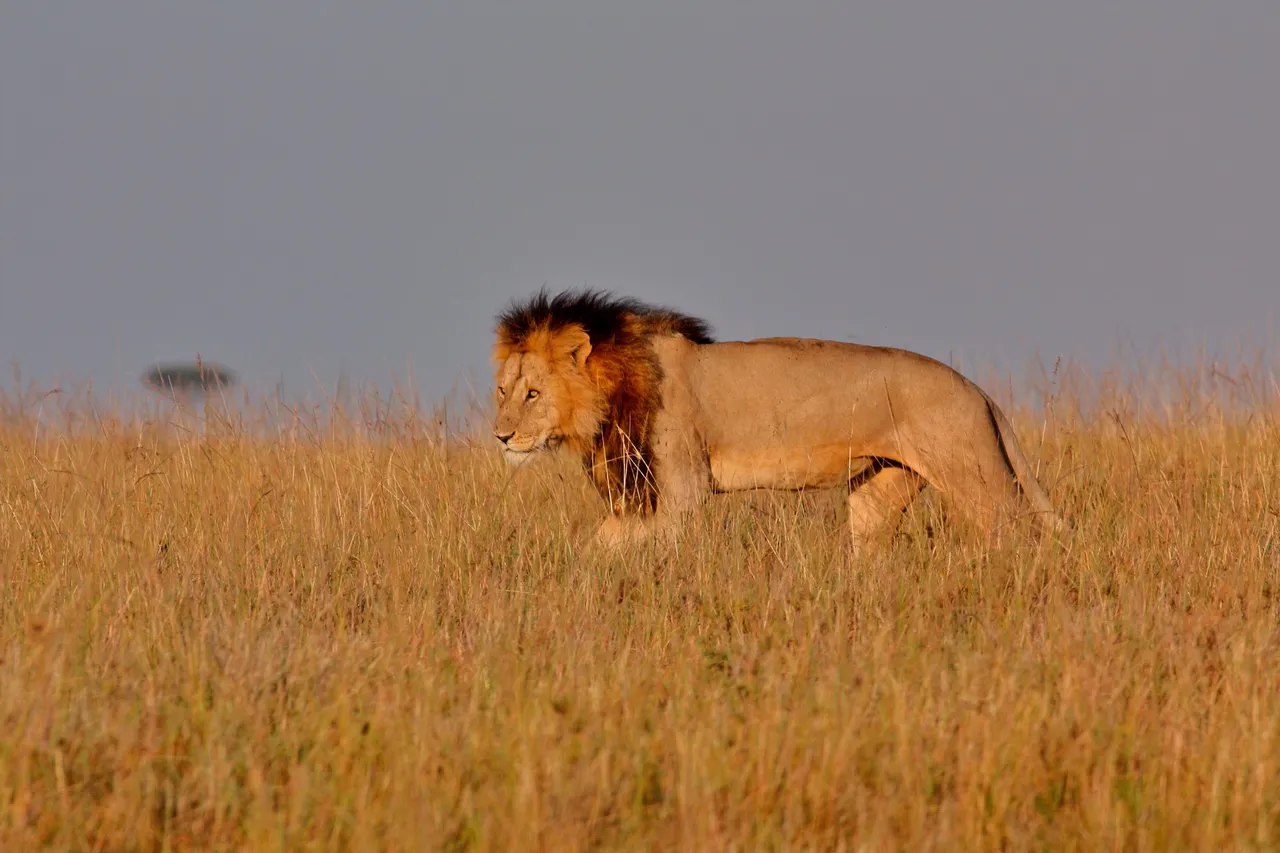
Kenya Classic: Lake Nakuru and Maasai Mara in 7 Days
A seven-day Kenya safari from Nairobi: rhinos and flamingos at Lake Nakuru, then three nights in the Maasai Mara, with a flight back and honest notes on cost.
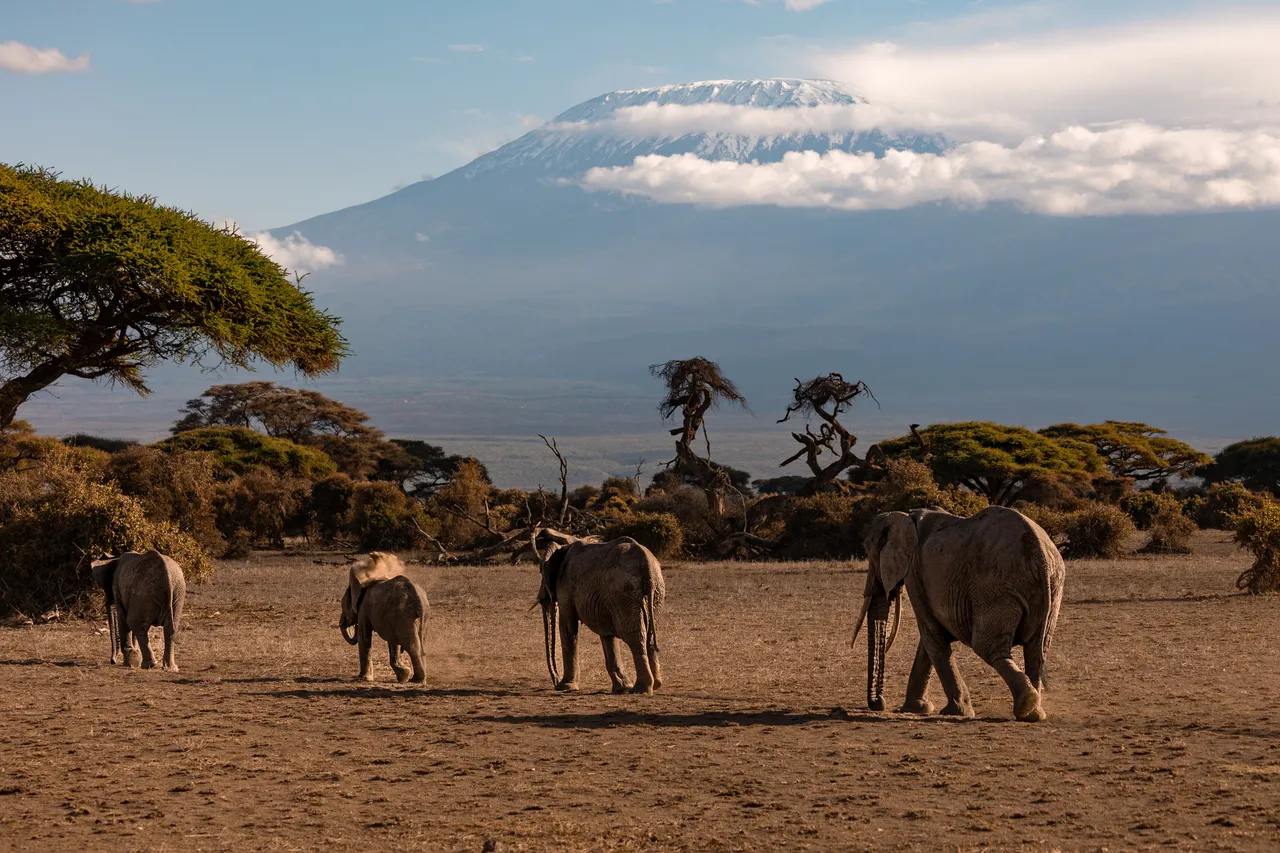
Amboseli and Tsavo Safari: 6 Days Under Kilimanjaro
A six-day Kenya safari through Amboseli's elephants and Tsavo's red-dust wilderness, with the option to finish on the coast by train. Good value, fewer crowds.

Kenya Safari and Diani Beach: 9 Days
Three nights in the Maasai Mara, then four on Diani Beach: a nine-day Kenya trip that mixes big game with white sand, with flights linking each stop.
Parks within reach of Nairobi

Nairobi National Park
Lions and rhinos with the city skyline behind them, just 20 minutes from the centre.
Maasai Mara National Reserve
Kenya's best-known reserve: big cats all year and the Mara River crossings from July to October.
Amboseli National Park
Big-tusked elephants walking toward Kilimanjaro. Come for the picture, stay for the herds.
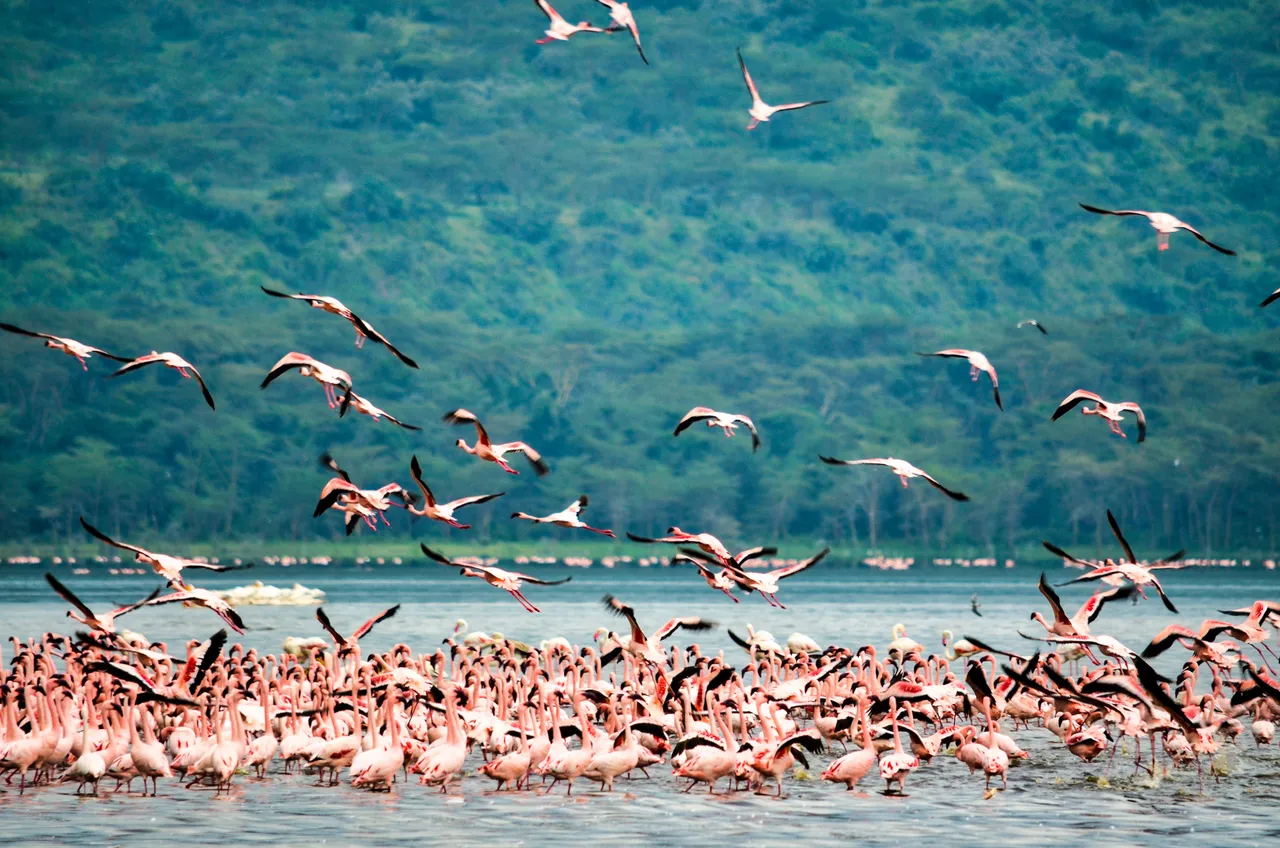
Lake Nakuru National Park
A small, fenced Rift Valley park that's one of Kenya's most reliable places to see both black and white rhino.
More city guides

Kampala
A loud, hilly, friendly capital that most people pass through. A day here pays back.
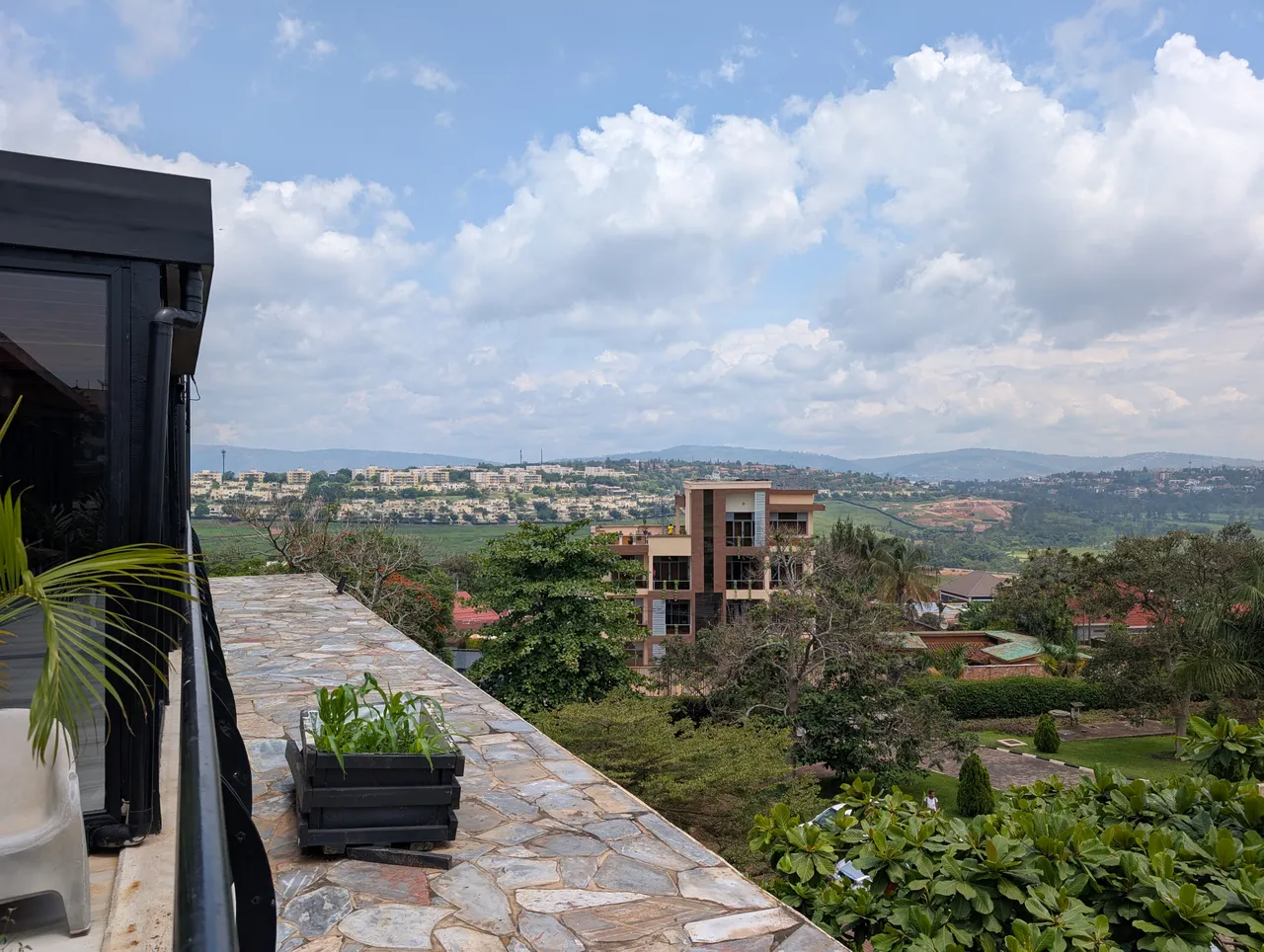
Kigali
Clean, calm and hilly, and the easiest capital in East Africa to explore on foot and by moto.

Dar es Salaam
Tanzania's hot, hectic commercial capital, useful as a gateway to Zanzibar and the southern parks and better than its reputation.
Last updated 20 September 2026. Opening hours, ferry timetables and transport apps change, so check locally before you rely on any single detail.