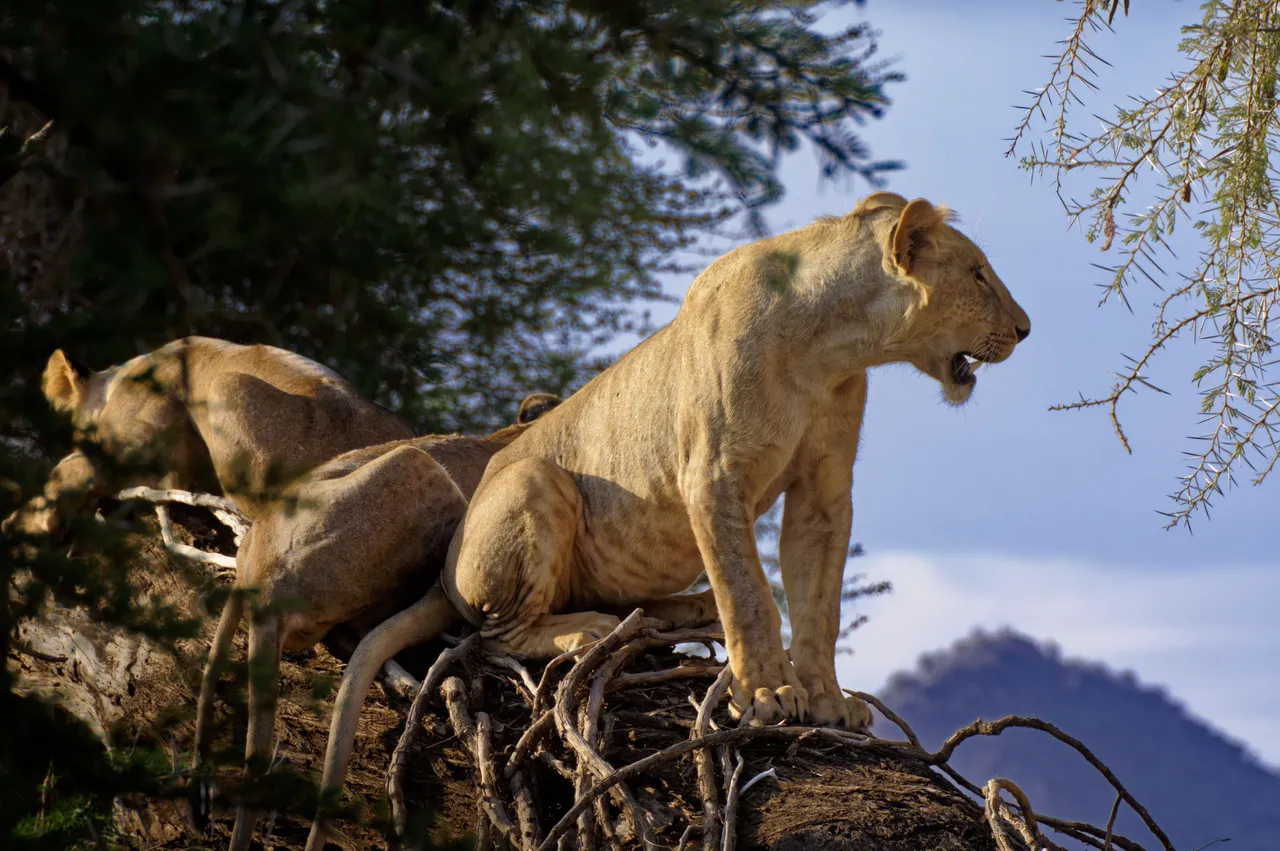
 Photo: supplied by East Africa Trails
 Quick facts
- Country
- Kenya
- Nearest gateway
- Nairobi (about 5-6 hours by road via Isiolo, or a 1-hour flight)
- Best time
- June to October and January to March
- Size
- About 165 sq km, next to Buffalo Springs and Shaba
- The Special Five
- Grevy's zebra, reticulated giraffe, Somali ostrich, gerenuk, beisa oryx
- Landscape
- Semi-arid scrub and riverine forest
- Neighbours
- Buffalo Springs and Shaba reserves (same ecosystem)
- Temperature
- Hot; cool evenings in the dry months
A different Kenya
Samburu feels a long way from the grassy plains of the south. It’s hot, dry scrub country of thorn bushes, red earth and rocky hills, with a ribbon of green trees along the Ewaso Ng’iro river. Everything in the reserve is drawn to that water, so the river corridor is where most of the wildlife action happens.
The reserve is small, but it belongs to a larger ecosystem with Buffalo Springs and Shaba. Shaba is where Joy Adamson, author of Born Free, lived and worked in her later years. The country has a rougher, more remote feel than the southern parks, and the numbers of visitors are usually much lower.
The Special Five
Samburu’s appeal for wildlife enthusiasts comes down to species that are hard to see elsewhere in Kenya. The Grevy’s zebra, with narrow stripes and large round ears, is endangered and found mainly in northern Kenya and Ethiopia. The reticulated giraffe has a bold, netted pattern. The Somali ostrich has blue-grey legs and neck, the gerenuk feeds standing upright on its hind legs, and the beisa oryx has long, straight horns.
Beyond those, elephants come to the river in numbers, and leopards, lions and cheetahs are all possible. Crocodiles bask along the banks.
When to go
The dry months are best: June to October and January to March, when animals stay close to the river. The long rains from April to May turn the landscape briefly green, and many camps offer lower rates. Daytime heat is significant in every season, so early starts matter.
Getting to Samburu
From Nairobi, the drive to Samburu is about 5 to 6 hours via Nanyuki and Isiolo, and the road is good until the last stretch. Scheduled and charter flights from Wilson Airport take about an hour to the Samburu airstrip. Flying saves a full day each way and is worth it if you’re short of time.
The route passes through Laikipia, so a combined trip with Ol Pejeta makes good sense. It’s also possible to combine Samburu with Lake Nakuru on the way back to Nairobi.
Cost and where to stay
Lodges in and around Samburu range from simple tented camps to luxury riverside properties with private plunge pools. Entry fees are set by the county governments that manage the reserves, and confirm the current rate at the time of booking. Because you’re a fair distance from Nairobi, most travellers stay two to three nights.
Cultural visits
The Samburu people, who are related to the Maasai, live throughout the region. Some lodges arrange visits to villages or cultural demonstrations. It’s worth asking how the visit is organised and whether your guide has family links to the community. The best visits are short and informal.
What you can do here
- Game drives
- Birdwatching along the Ewaso Ng'iro
- Nature walks with a guide
- Visits to Samburu communities
- Sundowners on the riverbank
Samburu National Reserve: common questions
What are the Special Five?
They're five species that are common in northern Kenya and mostly absent from the south: the Grevy's zebra, reticulated giraffe, Somali ostrich, gerenuk and beisa oryx. Seeing all five in a couple of days is realistic.
Is Samburu worth the extra travel?
If you've already done the Maasai Mara or are returning to Kenya, yes. The wildlife is different, the crowds are far smaller and the scenery is drier and more dramatic. On a first trip, many people choose the Mara and Amboseli first.
How do you combine Samburu with other parks?
The easiest arc is Nairobi to Ol Pejeta or Laikipia, then north to Samburu, then back to Nairobi by road or air. With five or six days you can cover all three. Add the Maasai Mara by flying from Nairobi at the end.
Is Samburu hot?
Yes, particularly between January and March when daytime temperatures often climb above 35 degrees Celsius. Game drives happen in the cooler early morning and late afternoon, and the midday break beside a lodge pool is part of the rhythm.
Are there leopards in Samburu?
There are, and the riverine trees make them one of the more reliable places in Kenya for a sighting. Ask your guide to check the fig and acacia trees along the river, especially at dawn.
Nearby and similar parks
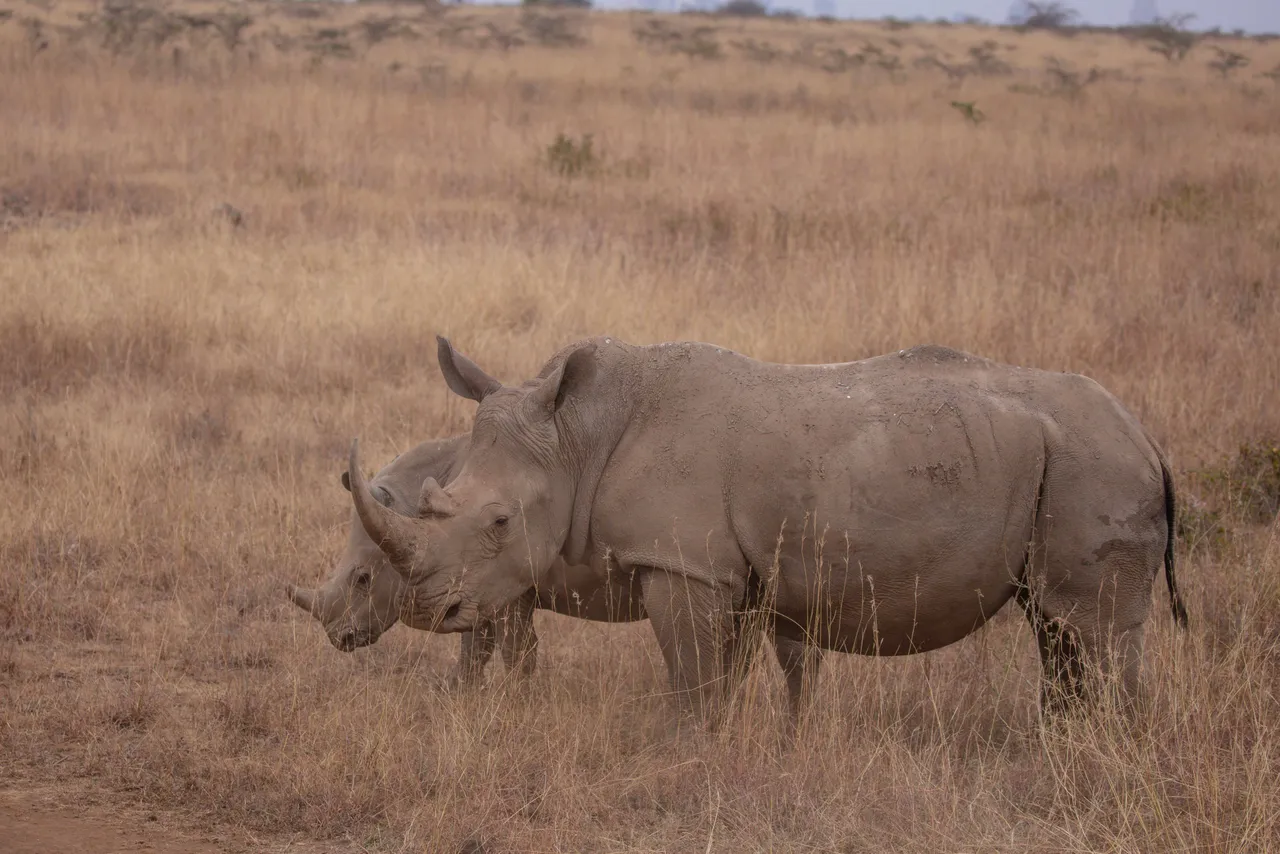
Ol Pejeta Conservancy
A working conservancy at the foot of Mount Kenya, home to East Africa's largest black rhino population.
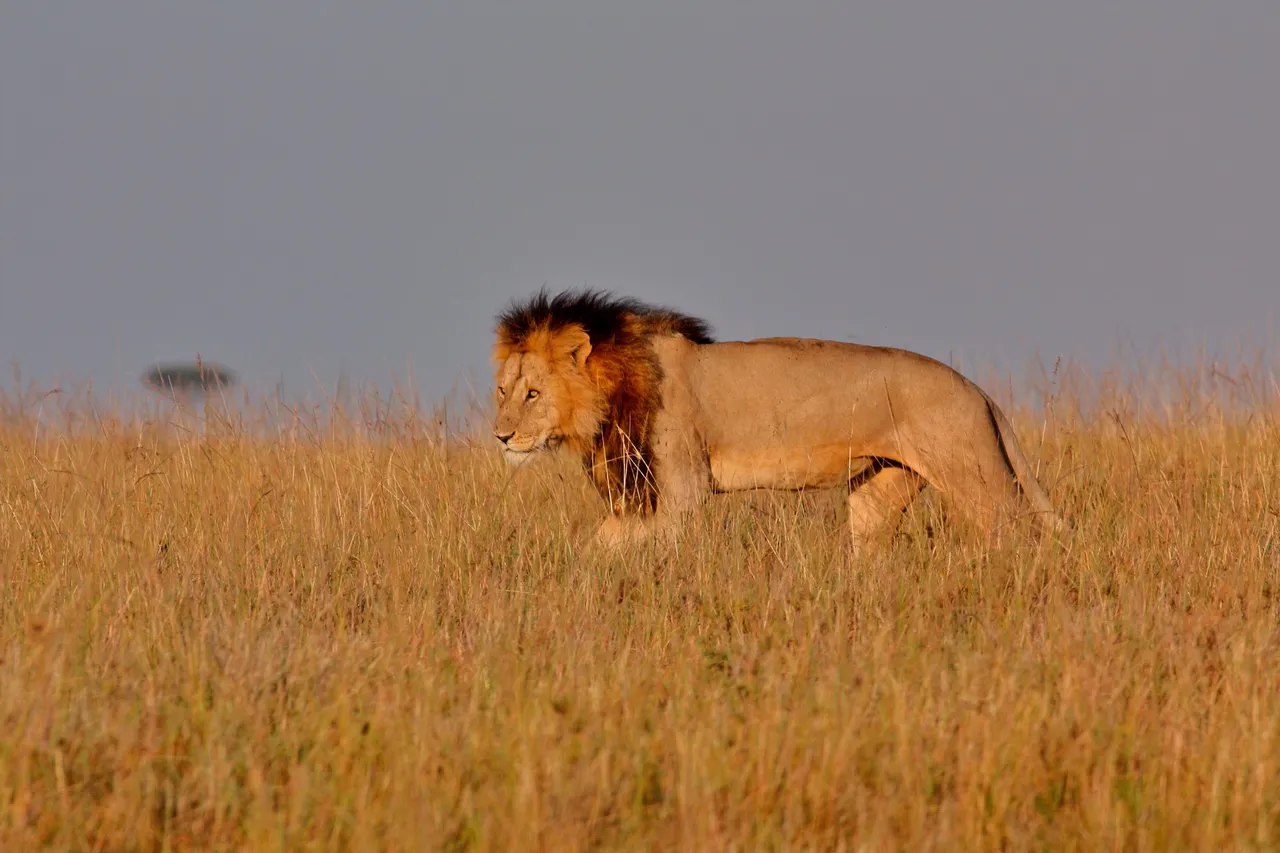
Maasai Mara National Reserve
Kenya's best-known reserve: big cats all year and the Mara River crossings from July to October.
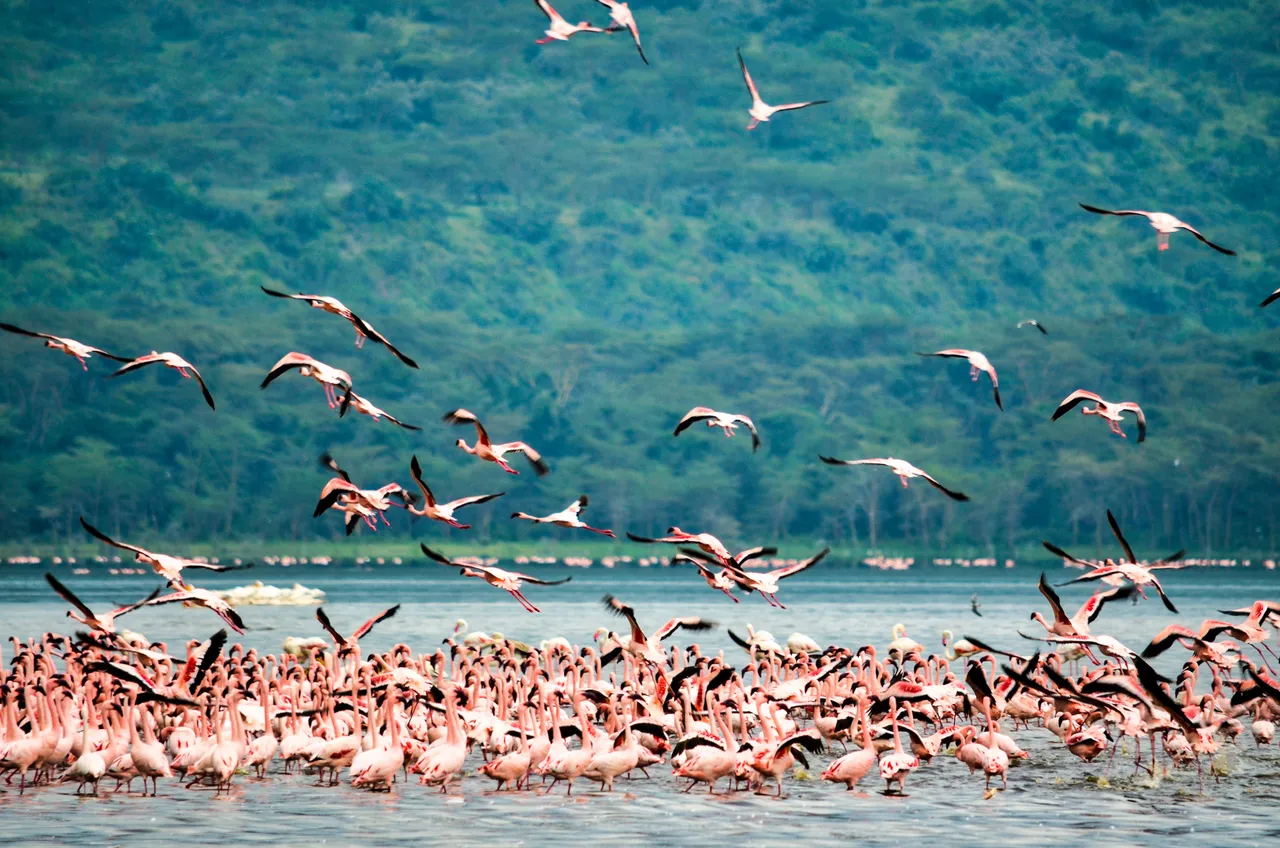
Lake Nakuru National Park
A small, fenced Rift Valley park that's one of Kenya's most reliable places to see both black and white rhino.
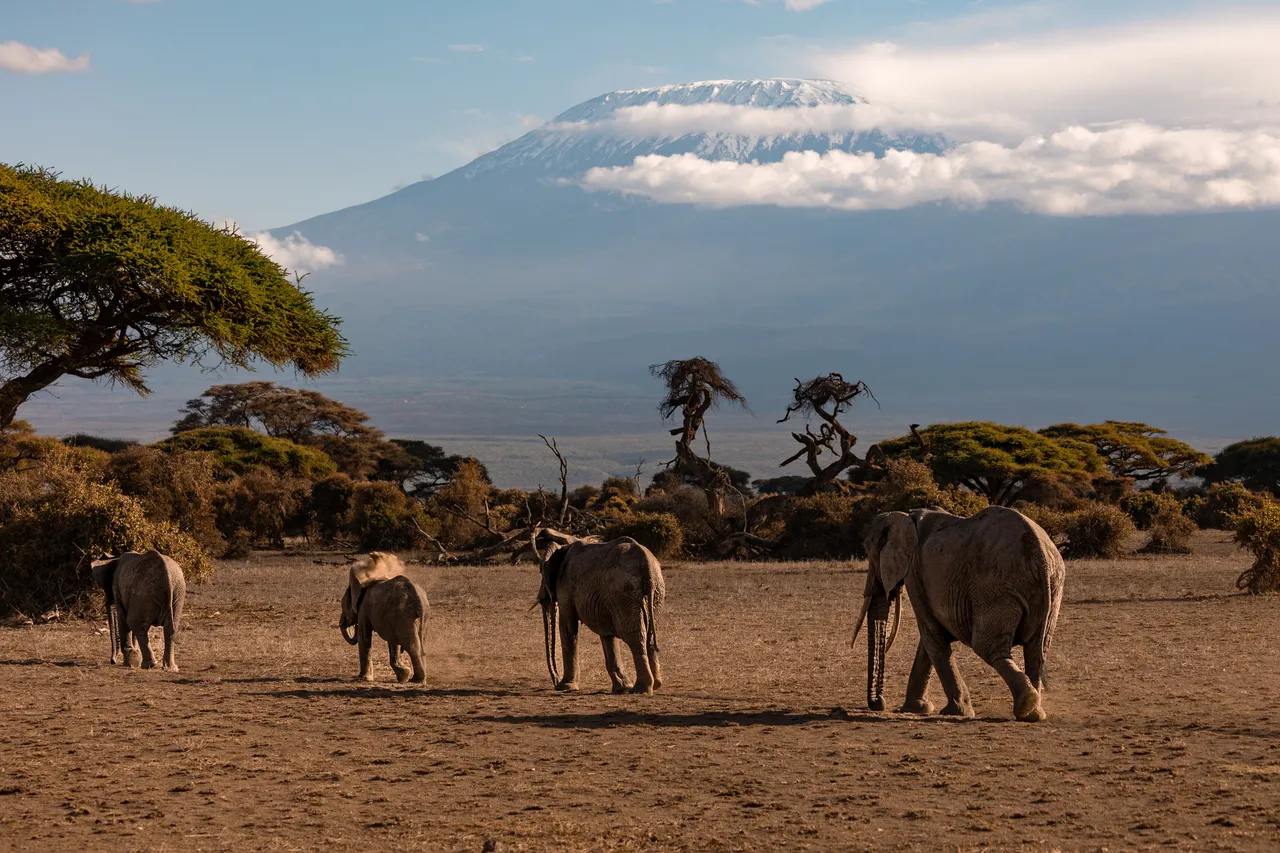
Amboseli National Park
Big-tusked elephants walking toward Kilimanjaro. Come for the picture, stay for the herds.
Last updated 20 September 2026. Fees, permit prices and access rules change; we check them against official sources and operators, but confirm the current figure before you pay. Rift & Reef is not an official park authority.