
Quick facts
- Country
- Tanzania
- Nearest gateway
- Kigoma, then boat or light aircraft (Arusha and Dar es Salaam link via Kigoma)
- Best time
- May to October (dry season)
- Size
- Mahale about 1,600 sq km; Gombe about 35 sq km
- Mahale
- Roughly 700 to 1,000 chimpanzees; two habituated communities visited by tourists
- Gombe
- Jane Goodall began her research here in 1960
- Access
- Lake boat or bush flight; no road access
- Permit cost
- About US$100 per person per day for chimp trekking as of Sept 2026 (check TANAPA)
Remote forest, big lake
Mahale Mountains National Park sits on the eastern shore of Lake Tanganyika, one of the deepest lakes in the world. The mountains rise steeply from the lake and are cloaked in forest. There are no roads, and you arrive by boat or on a small plane. That alone weeds out most visitors and keeps the experience quiet.
The park is home to a large population of wild chimpanzees. Researchers from Japan have studied them for decades, and some groups are now habituated to visitors. Trekking involves walking in the forest with a guide until you find them, then spending about an hour observing them at a respectful distance.
Gombe Stream
Gombe Stream National Park is a small forested strip near Kigoma on the same lake. It was here in 1960 that Jane Goodall began her field research, which changed how people understand chimpanzees. The park is much smaller than Mahale, the terrain is steep, and it can be visited as a short trip from Kigoma.
When to go
The dry season, roughly May to October, is best. The trails are drier, the lake is calm, and chimps often come down the mountain slopes. The wet months, from November to April, are possible, but you’ll get rained on and the trails are slippery. Success rates are generally good in either park, although nothing is guaranteed.
Getting there
Both parks are only reachable by lake boat or light aircraft. From Kigoma, Gombe is about a 30-minute to two-hour boat ride, depending on the boat. Mahale is farther, roughly 5 to 6 hours by boat or a short flight. Lodges arrange transfers. Most travellers reach Kigoma by scheduled flights from Dar es Salaam or Arusha.
Costs
Chimp trekking permits in Tanzania are charged by TANAPA on top of park entry, and they’re generally in the range of about US$100 a day for non-residents, though you should confirm the current rate. The greater cost is the lodges and transfers. There are only a few lodges at Mahale, most of them in the luxury category, and they may include activities such as snorkelling and kayaking in the price.
Who should go
Mahale suits travellers who have already done the main safari circuit, and who want something remote. If you want gorillas and chimps together at a fraction of the cost, look at Uganda and Rwanda first. If you enjoy long boat rides, a beach camp in a forest and a truly quiet wilderness, Mahale is hard to beat.
What you can do here
- Chimpanzee trekking
- Snorkelling and swimming in Lake Tanganyika
- Kayaking
- Forest hikes to Nkungwe Peak (Mahale)
- Waterfall walk (Gombe)
Mahale Mountains and Gombe National Parks: common questions
How does chimp trekking at Mahale differ from Uganda?
Mahale is remote and quiet, with usually just a handful of visitors and a beach camp base on the lake. Uganda's Kibale is more accessible and offers higher success rates and more infrastructure. Mahale gives you a wilder, more expensive experience.
How do you get to Mahale?
Fly to Kigoma, then take a lodge boat or a charter flight to the park. Alternatively, fly directly to airstrips near the park from Arusha via scheduled charters. The journey takes a day and costs more than a typical safari.
Is Gombe or Mahale better for chimps?
Gombe is smaller, closer to Kigoma and steeper, and has a famous research history. Mahale is larger and more remote, and its trekking is generally more relaxed. Mahale is better if you want a beach stay and time to enjoy the setting.
When is the best time to go?
The dry season, roughly May to October, is easiest. Chimps tend to move lower in the forest, and it's easier to hike and reach the park. The wet season from November to April is possible but rougher.
Can you combine Mahale with a standard safari?
Yes. A typical route is a northern circuit safari, then a flight west to Mahale via Arusha or Kigoma. Alternatively combine with Ruaha or Katavi National Park in Tanzania's west.
Guides for planning your visit

Chimpanzee Trekking in Uganda, Rwanda and Tanzania
Where to track wild chimpanzees in East Africa: Kibale, Budongo, Nyungwe, Gombe and Mahale compared, with permit costs, fitness and timing.
Nearby and similar parks
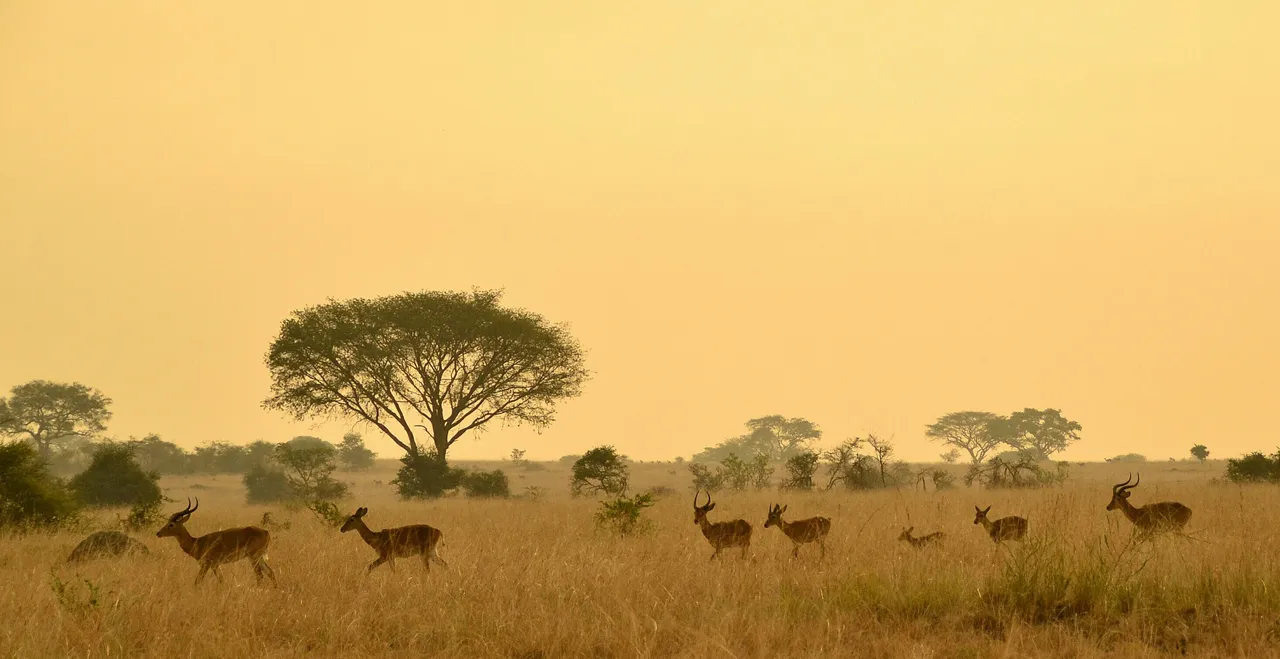
Kibale National Park
The world's best-known place to see wild chimpanzees, with 12 other primate species in the same forest.
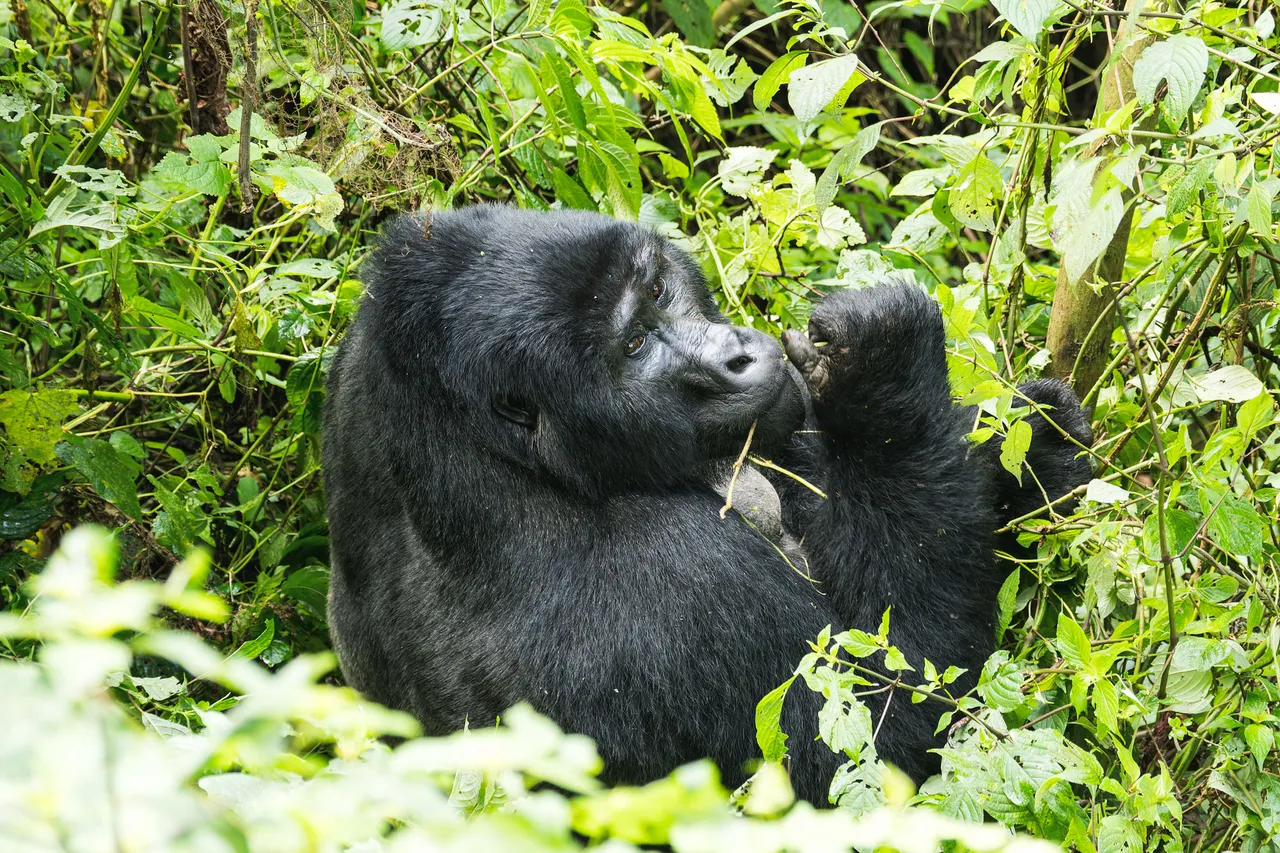
Bwindi Impenetrable National Park
Home to nearly half the world's mountain gorillas, in ancient forest on steep green hills.

Ruaha National Park
Tanzania's largest national park: a quiet, dry wilderness where lions, wild dogs and rare antelope share the Great Ruaha River.

Nyerere National Park (Selous)
Tanzania's biggest wilderness: boat safaris, walking safaris and a river full of hippos, an easy flight from Dar es Salaam.
Last updated 20 September 2026. Fees, permit prices and access rules change; we check them against official sources and operators, but confirm the current figure before you pay. Rift & Reef is not an official park authority.