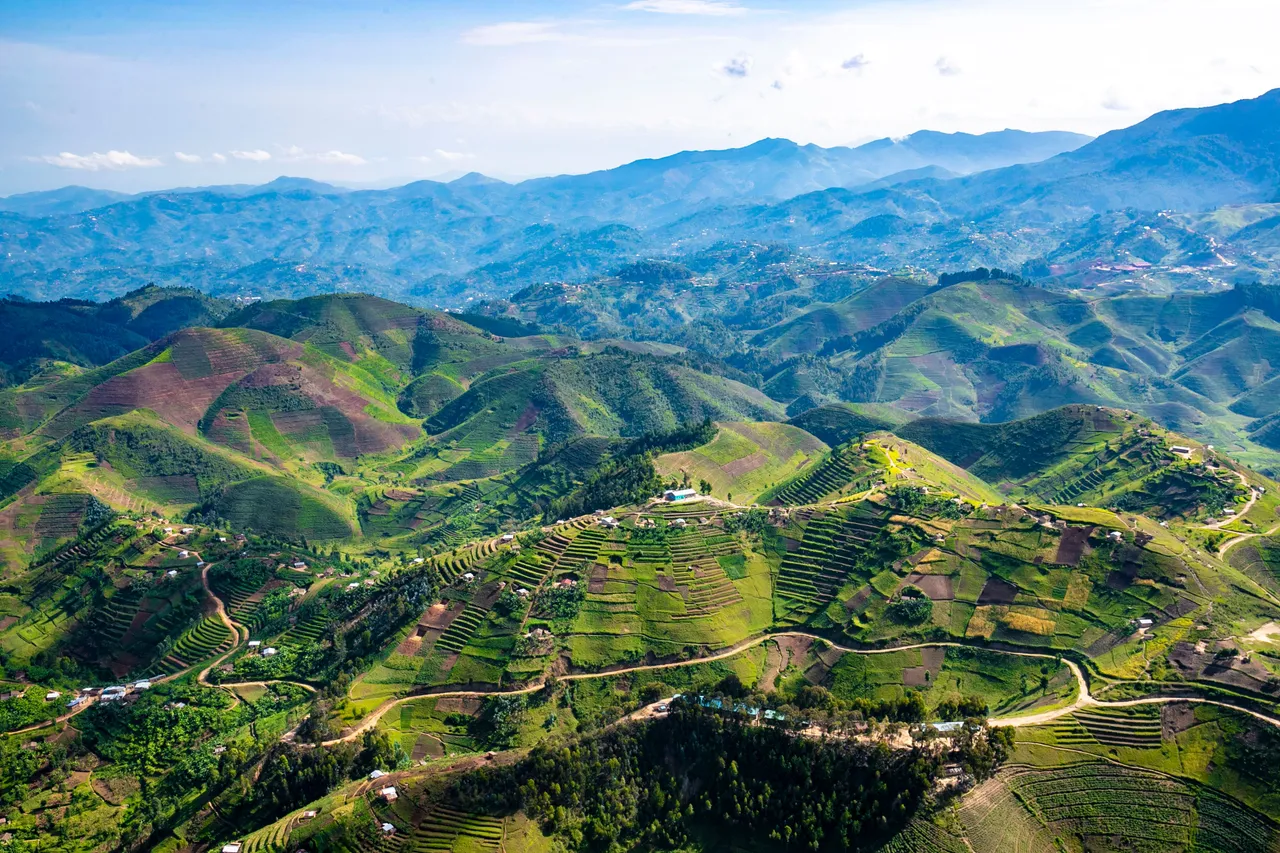
 Photo: supplied by East Africa Trails
 Quick facts
- Country
- Rwanda
- Nearest gateway
- Kigali (about 3-4 hours by road) or Rubavu and Karongi on Lake Kivu
- Best time
- June to September and December to February
- Size
- About 34 sq km in two forest blocks
- Established
- 2015 as a national park
- Two forests
- Gishwati and Mukura
- Best for
- Quiet nature walks near Lake Kivu
- Time needed
- Half a day to one day
The small forest
Gishwati-Mukura is one of Rwanda’s newest national parks, created in 2015 to protect what is left of two forests in the west of the country. Both forests were once much larger. Heavy clearing for farming and grazing had reduced them to remnants by the early 2000s, and restoration work has helped to protect the remainder.
The park is small and quiet, and you won’t see the visitor numbers that Volcanoes or Nyungwe attract. That is part of its charm, and it makes it a good option for a relaxed nature walk.
Wildlife
Gishwati has a small chimpanzee community. Golden monkeys, L’Hoest’s monkeys and blue monkeys live in the forests, and there are birds, butterflies and reptiles. The forest is thick and it can be hard to see animals, so a guide helps.
Community and conservation
A lot of the work at Gishwati-Mukura has been done with local communities, with tree planting, alternative livelihoods and education to help restore the forest. Some community-run projects offer visits and craft sales. Supporting those projects is one way to make your visit useful.
When to go
June to September and December to February are drier, but the forest is worth a visit in any month. Bring rain gear.
Getting there
The park is in the west, between Rubavu (Gisenyi) and Karongi (Kibuye) on the Lake Kivu shoreline. From Kigali, the drive takes about three to four hours. It’s easy to combine with a night or two at Lake Kivu. Read our Rwanda guide for a suggested route.
Costs
Fees for guided walks are set by the Rwanda Development Board, and they’re relatively low. Accommodation is mostly around the lake, in a range of lodges and guesthouses.
What you can do here
- Guided forest walks
- Primate watching
- Bird watching
- Community visits
- Combine with Lake Kivu
Gishwati-Mukura National Park: common questions
Is Gishwati-Mukura worth visiting?
If you're visiting Lake Kivu and enjoy forest walks, yes. It's a small, quiet park and a good add-on for keen naturalists. It isn't a substitute for the gorillas at Volcanoes or the chimps at Nyungwe.
What can you see there?
The main draw is primates, including a small chimpanzee community and golden monkeys in the forest, plus birds and butterflies. Expect a forest walk and possible monkey sightings rather than big wildlife.
How do you visit?
Guides from the park take visitors on foot. It's best to arrange visits in advance through Rwanda Development Board or a tour operator, and to check the activities offered at the time.
How does it fit with other Rwanda trips?
It's near Lake Kivu, between Volcanoes and Nyungwe, so it's convenient on a route from Musanze to Rusizi or Karongi. A few hours is enough.
Is it suitable for families?
Yes, for walks. The paths are less steep than trails in Nyungwe or Volcanoes, and the walks can be short.
Nearby and similar parks
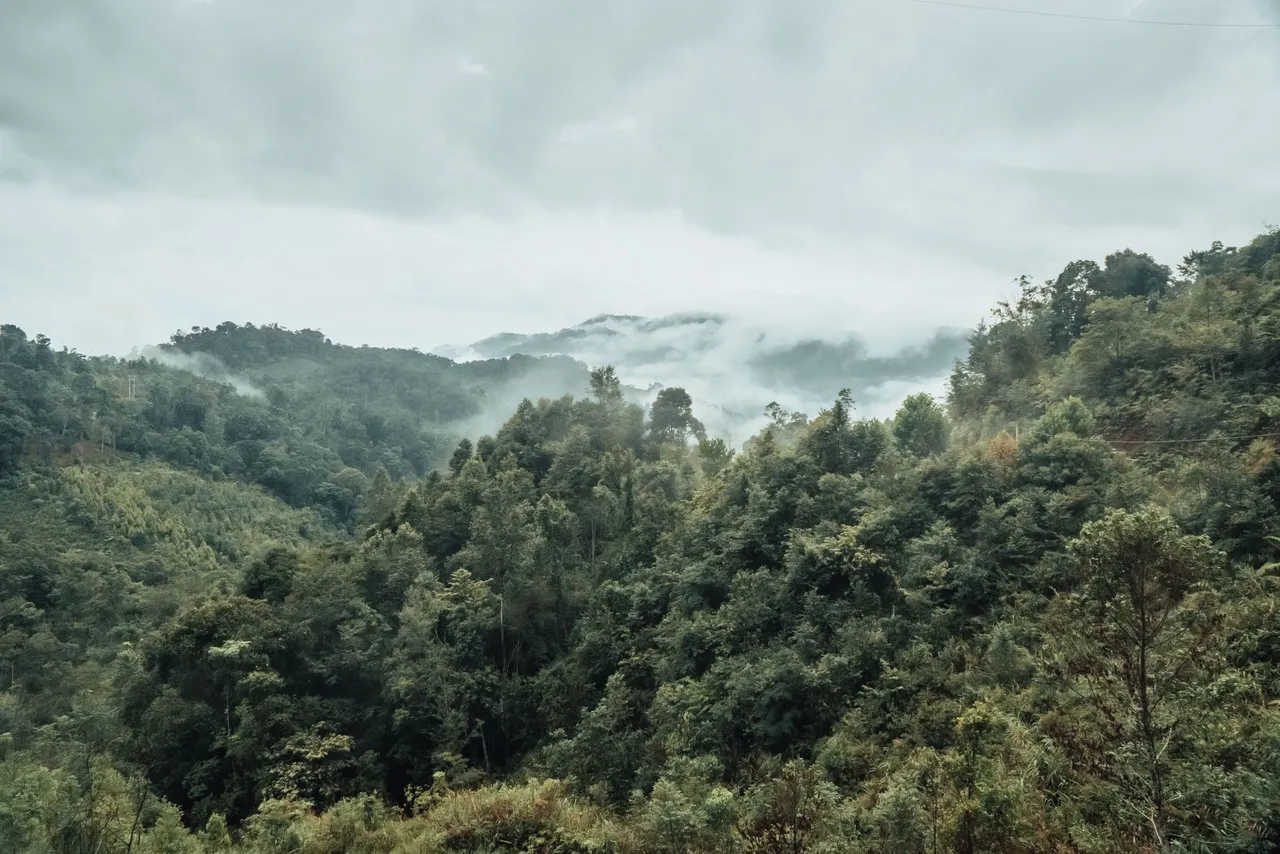
Nyungwe Forest National Park
One of Africa's oldest rainforests, with chimps, 13 primate species and a walkway through the canopy.
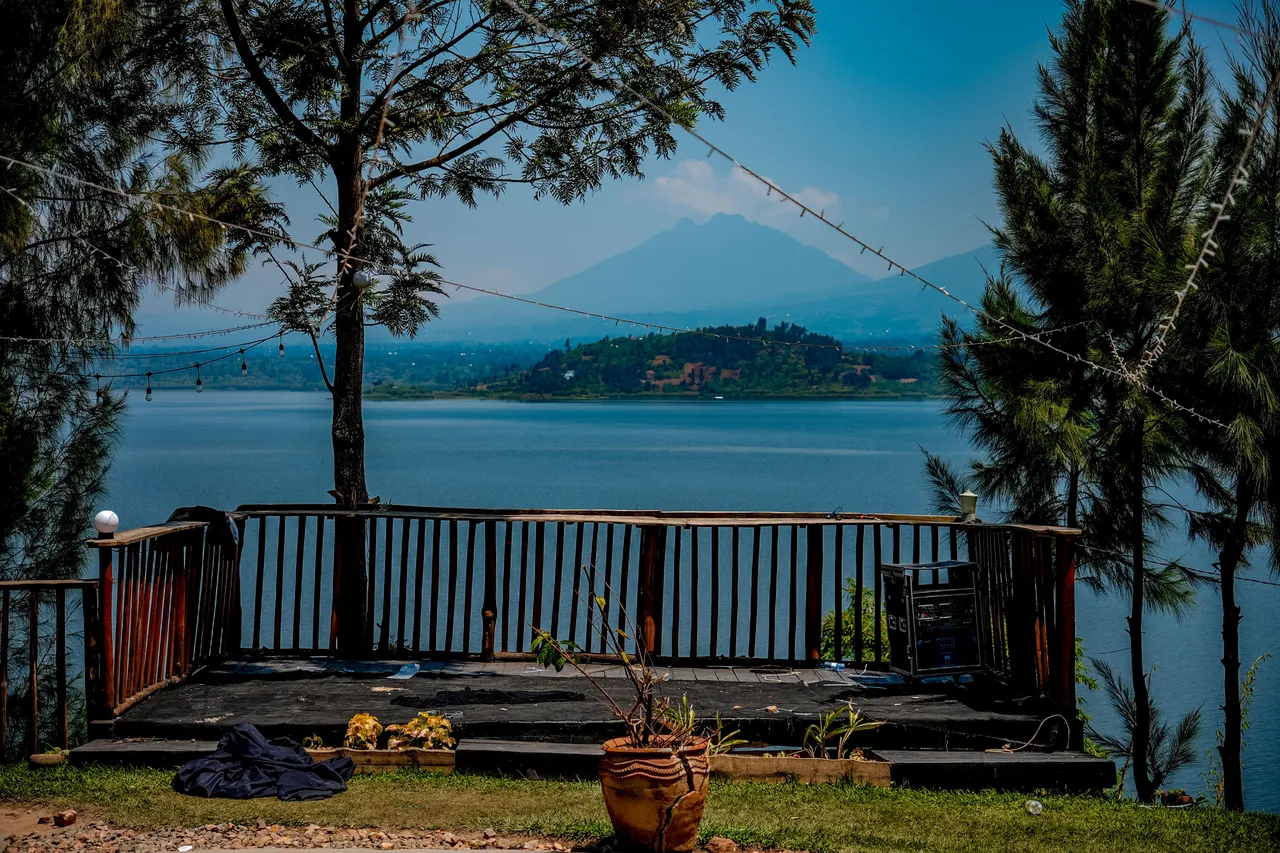
Volcanoes National Park
Rwanda's gorilla park, just two hours from Kigali, with twelve habituated families and five volcanoes.
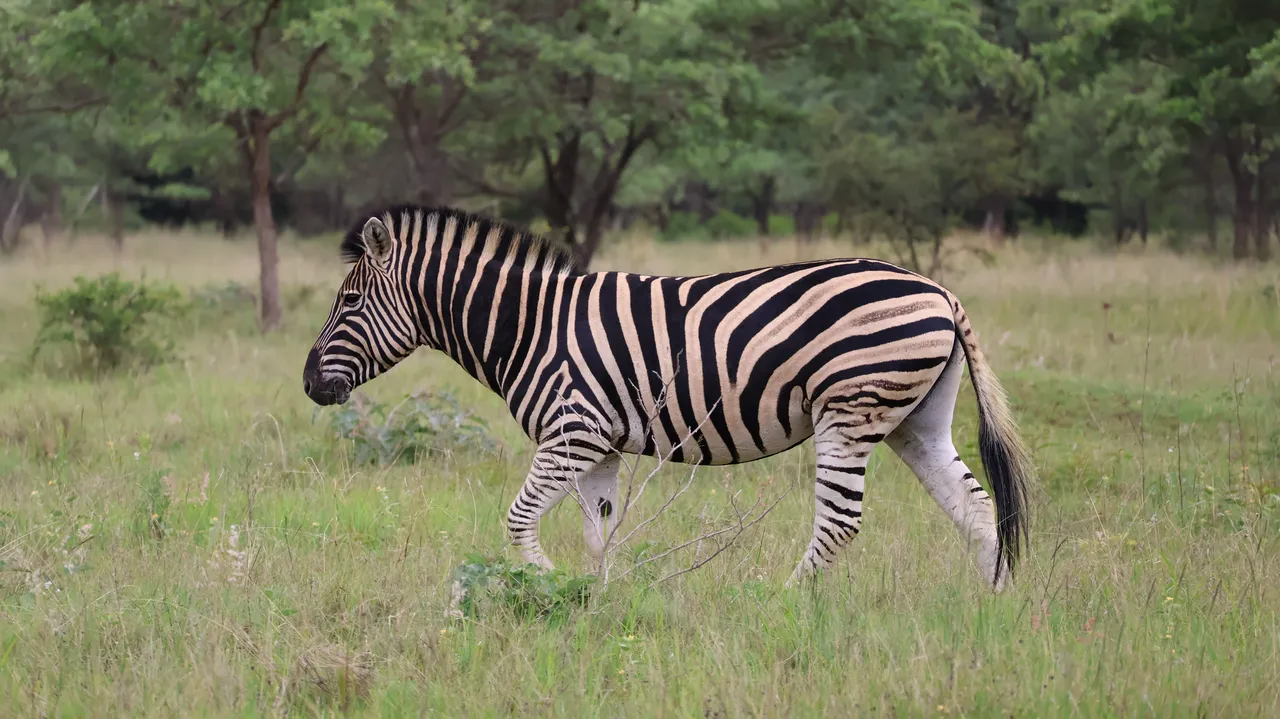
Akagera National Park
Rwanda's only savanna park, restored from near-collapse and now home to lions, black rhinos and all of the Big Five.
Kibale National Park
The world's best-known place to see wild chimpanzees, with 12 other primate species in the same forest.
Last updated 20 September 2026. Fees, permit prices and access rules change; we check them against official sources and operators, but confirm the current figure before you pay. Rift & Reef is not an official park authority.