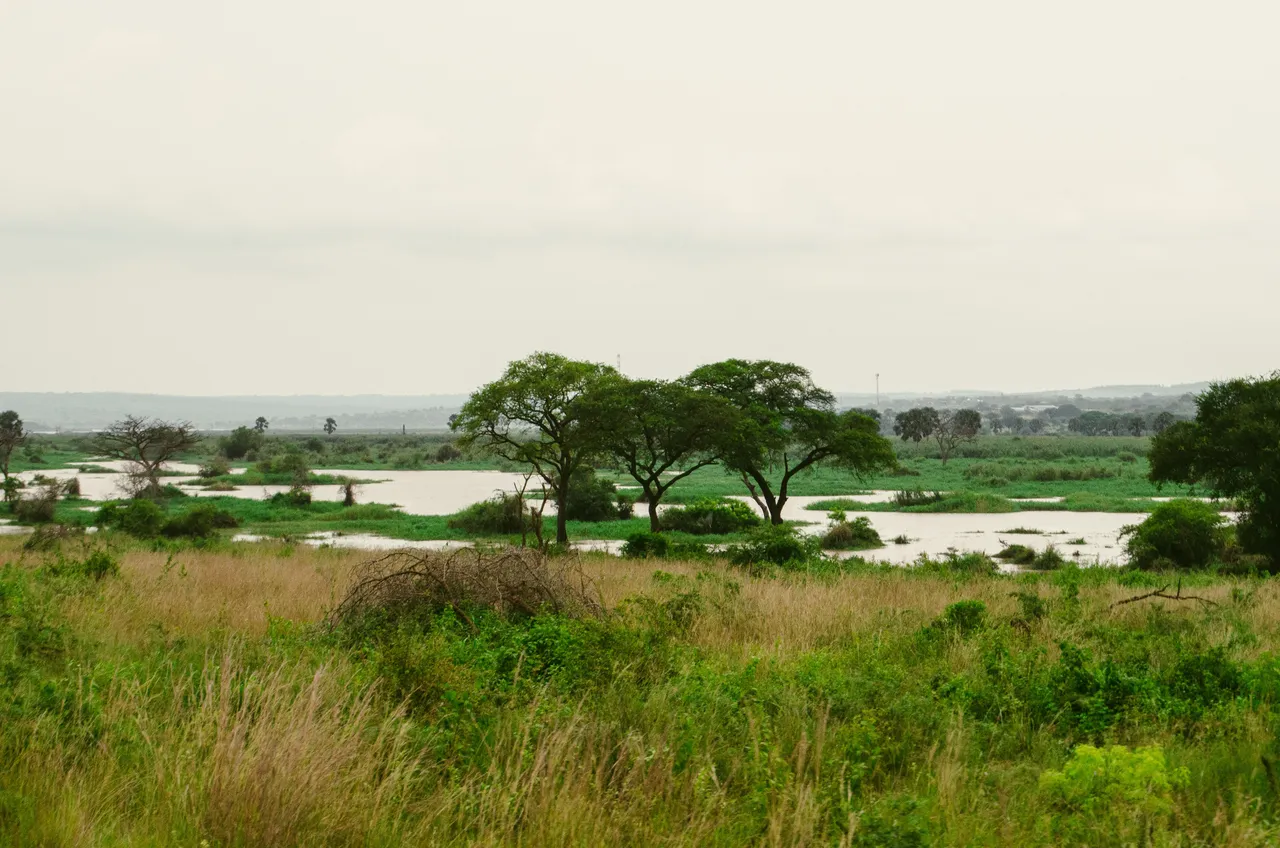
 Photo: supplied by East Africa Trails
 A note before you read
We’re a travel guide, not a medical service. This page describes the common issues and questions to raise with a doctor. Health advice depends on your age, health and route, and recommendations change. See a travel clinic or your doctor four to six weeks before you leave.
Malaria
Malaria is spread by mosquitoes and is present in most of East Africa’s safari areas, including the low-lying parks, the coast and much of Uganda and Tanzania. It’s less of a risk at high altitude, such as in Nairobi and parts of the highlands, but the risk varies and can change with the season.
Prevention has several layers. Ask your doctor about prophylactic tablets. Use insect repellent containing DEET or picaridin, especially at dawn and dusk. Wear long sleeves and trousers in the evening. Sleep under a mosquito net or in a screened room. Many lodges provide nets and evening turndown with repellent.
If you develop a fever during or after your trip, get medical attention and tell the doctor where you’ve been. Malaria can be serious, and it’s treatable when caught early.
Yellow fever
Some countries require proof of vaccination if you’re arriving from a country with risk of yellow fever transmission. Uganda has been strict, and many operators recommend carrying a certificate regardless. The certificate must usually be issued at least ten days before you travel. See our visa guide for entry documents.
Other vaccinations and health preparations
Doctors commonly discuss routine vaccinations (such as tetanus, measles and hepatitis B), hepatitis A, typhoid and, for some travellers, rabies. Rabies is present in the region, so it’s worth discussing if you’re travelling for a long time or spending time near animals. Cholera vaccination is not usually recommended for tourists, but your doctor will advise.
Bring enough of any prescription medication, in original packaging, plus a copy of your prescription.
Altitude
Nairobi sits at about 1,700 m, Ngorongoro’s rim at about 2,300 m, and gorilla parks range from about 1,500 to 3,000 m. Most people adjust without problems, but mild headaches, breathlessness and poor sleep can occur. Kilimanjaro is a special case, with a summit at 5,895 m and a real risk of altitude sickness. See our Kilimanjaro guide.
Food and water
Drink bottled or treated water. Lodges provide safe drinking water, and it’s common to brush teeth with bottled water. Eat freshly cooked food, and be careful with salads and unpeeled fruit in unfamiliar places. Stomach upsets are the most common complaint, and they usually pass. Pack oral rehydration salts.
Sun and heat
The equatorial sun is strong even when the air is cool. Wear sunscreen, a hat and sunglasses, and drink plenty of water. Heat and dehydration can affect people on long drives.
Insects and animals
Tsetse flies, which deliver painful bites, are present in some areas, notably parts of Tanzania and Uganda, and are attracted to dark blue and black. Ticks and other insects can also bite. Keep your distance from animals, including monkeys, and don’t feed them. Follow your guide’s rules.
Gorilla and chimp trekking
If you have a cold, cough or stomach bug, tell your guide. Rules protect apes from human diseases, and you may be asked not to trek. Insurance that covers permit costs is useful.
Travel insurance and evacuation
Get insurance that includes medical evacuation. On safari, help can be a long way off, and private flights to a good hospital cost thousands of dollars. Check that the policy covers your activities and that it doesn’t exclude high-altitude hiking or trekking. Many operators also arrange emergency air-evacuation memberships for East African bush areas.
Before you go: a checklist
- See a travel clinic four to six weeks before departure.
- Ask about malaria prevention, vaccinations and prescriptions.
- Carry your yellow fever certificate if needed.
- Buy insurance with medical evacuation.
- Pack repellent, sunscreen, a small first-aid kit and rehydration salts.
- Save emergency numbers and your insurer’s hotline on your phone.
Frequently asked questions
Do I need malaria tablets for a safari?
Most safari areas are in malaria zones, so most doctors recommend prophylaxis. Whether you need it, and which type, depends on where you're going, your health and your medical history. See a travel clinic four to six weeks before you leave.
Which vaccinations do I need for East Africa?
Common recommendations include routine vaccines, hepatitis A, typhoid and tetanus, with yellow fever needed for some routes and rabies considered for longer trips. Recommendations change, so ask a travel health professional based on your plans and history.
Is the water safe to drink?
Drink bottled or treated water. Most lodges provide it, and hotels commonly offer filtered water. Avoid ice in drinks in unfamiliar places and choose freshly cooked food.
What is medical evacuation cover?
It pays to move you to a better hospital, by air if necessary, if you're seriously ill or injured. On safari, help can be hours away, so it's important. Check that your policy covers it and that activities such as gorilla trekking and Kilimanjaro are not excluded.
Trips built around this
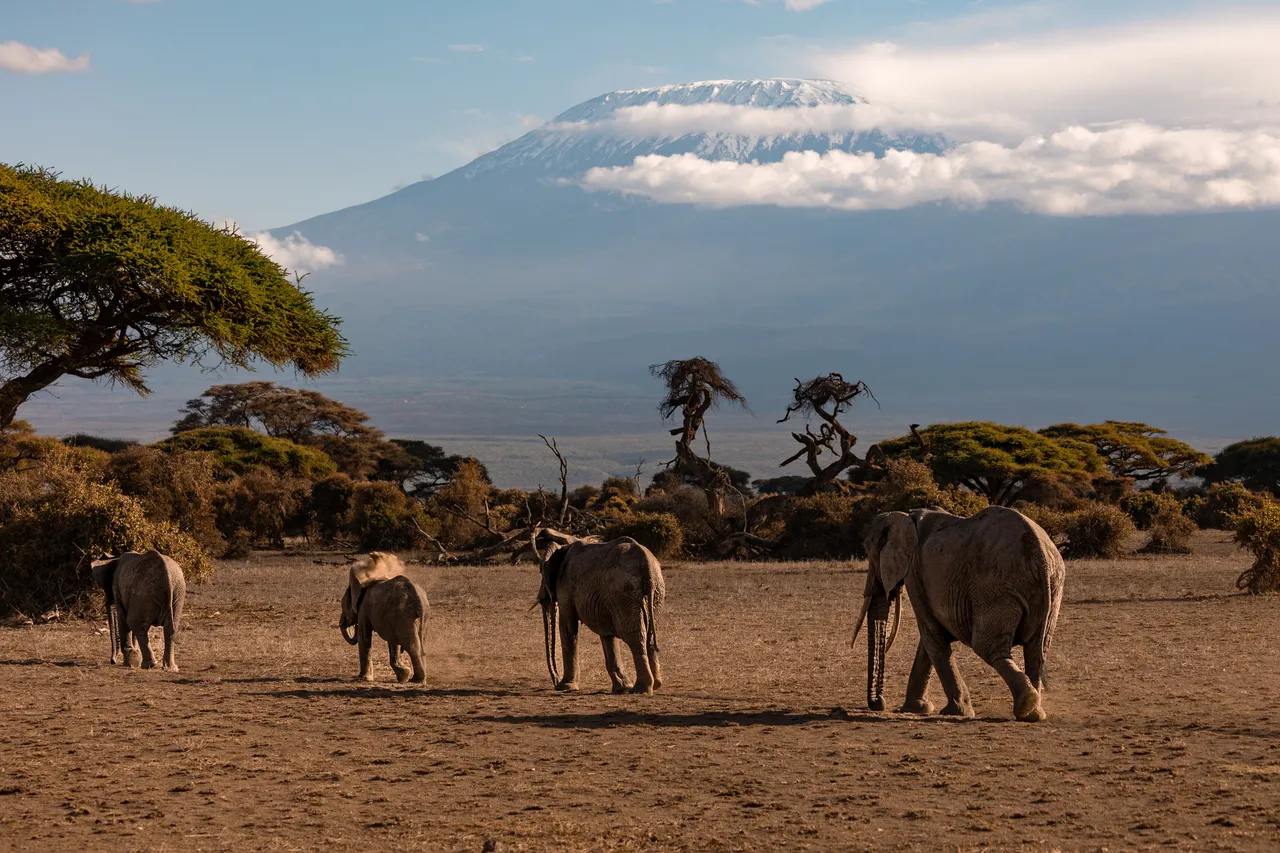
Amboseli and Tsavo Safari: 6 Days Under Kilimanjaro
A six-day Kenya safari through Amboseli's elephants and Tsavo's red-dust wilderness, with the option to finish on the coast by train. Good value, fewer crowds.
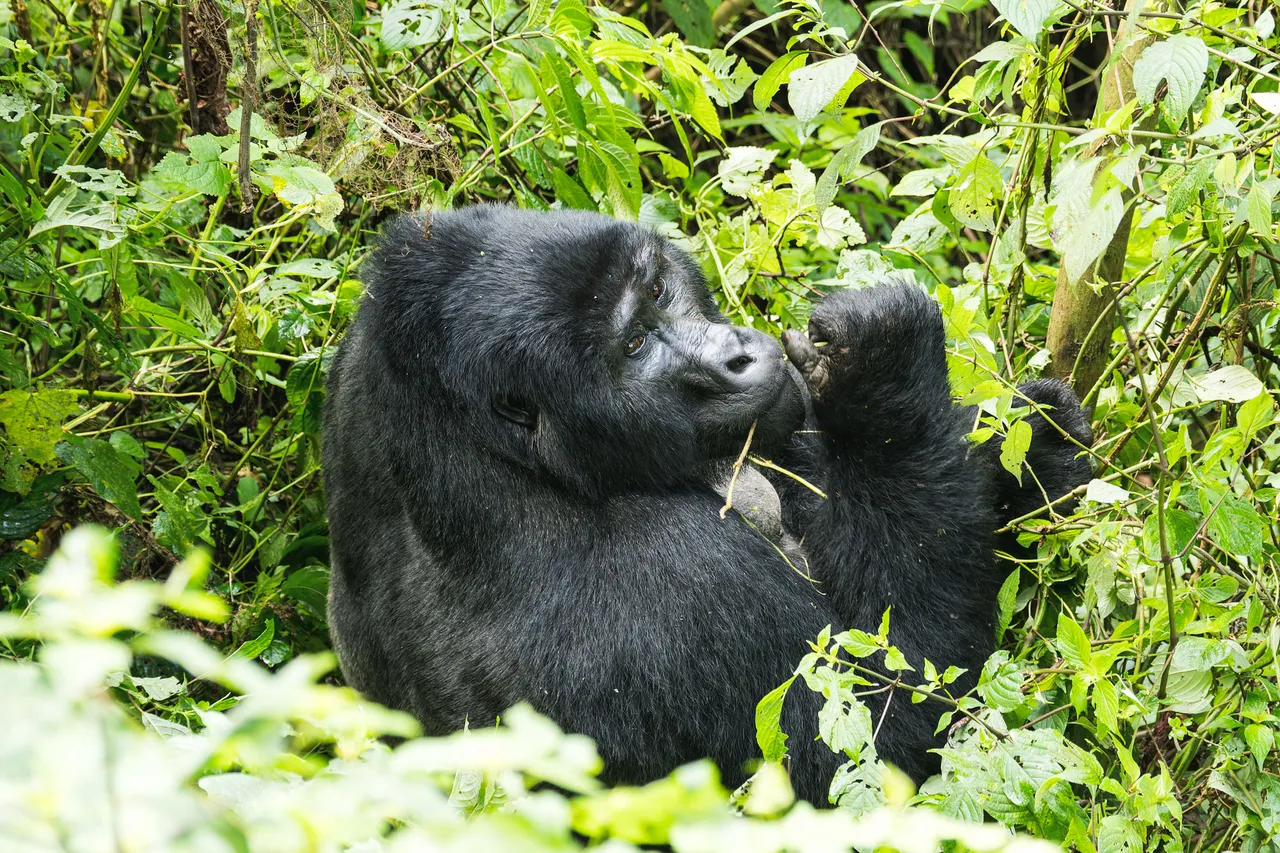
Uganda Gorillas, Chimps and Big Game: 7 Days
A seven-day Uganda trip covering chimpanzees at Kibale, boats and lions at Queen Elizabeth and a gorilla trek in Bwindi, with a flight back to Entebbe.
Keep reading

Is East Africa Safe for Tourists? What to Know Before You Go
An honest look at safety in Kenya, Tanzania, Uganda and Rwanda: petty crime, roads, wildlife, border regions, scams, and how to check current travel advice.
East Africa Visa Guide: Kenya, Tanzania, Uganda and Rwanda
Entry rules for Kenya, Tanzania, Uganda and Rwanda as of September 2026: the Kenya eTA, e-visas, the East Africa Tourist Visa and yellow fever certificates.
What to Pack for an East Africa Safari: A Practical List
A practical safari packing list: clothing colours, layers, luggage limits for bush flights, gorilla trekking gear, adapters and what to leave at home.
Last updated 20 September 2026. Rules, prices and schedules change. We recheck the facts in this guide regularly, but confirm anything that affects your money or your entry to a country with the official source.