 Photo: supplied by East Africa Trails
 Quick facts
- Country
- Uganda
- Nearest gateway
- Kasese (trailhead about 30-40 minutes) or Kampala (about 6-7 hours)
- Best time
- December to February and June to July
- Size
- About 995 sq km
- Highest point
- Margherita Peak, 5,109 m (Uganda's highest)
- Status
- UNESCO World Heritage Site (1994)
- Rainfall
- Very high in most months
- Summit
- Needs technical mountaineering equipment
The Mountains of the Moon
The Rwenzori range rises steeply on the border of Uganda and the Democratic Republic of Congo. Ptolemy is often said to have called them the Mountains of the Moon, and they’re the source of streams that feed the Nile. Mount Stanley’s Margherita Peak, at 5,109 m, is the third-highest point in Africa.
The mountains are green and wet. You climb through bamboo forest and moss-covered trees to heath with giant lobelias, groundsels and everlasting flowers, then to rocky terrain, glacial lakes and, at the top, snow. The vegetation zones make it one of the world’s most unusual mountain environments.
Treks
The Central Circuit is the classic route, taking seven to nine days. You loop through several valleys, sleep in mountain huts and pass lakes, bogs and high passes. The Kilembe Trail is a shorter alternative, taking around four to six days to reach the main lakes and viewpoints. Neither requires technical skills until you reach the summit of Margherita.
You’ll also find shorter hikes from the trailheads, and community-led hikes through the foothills, that suit people who don’t have a week to spare.
Weather
Expect rain at any time of year. The driest windows are December to February and June to July. Even then, clouds often hide the peaks, and the trails are muddy. Bring waterproof clothing, gaiters and dry bags. The mountains are cold at night at higher altitudes.
Getting there
The trailheads are about 30 to 40 minutes from Kasese, which is about 6 to 7 hours by road from Kampala. It’s an easy add-on to a western Uganda safari, near Queen Elizabeth National Park and Kibale. Trekkers are required to travel with a licensed guide and porters.
Costs
Park fees and huts are charged per day. Trekking companies provide guides, porters and food, and the total cost depends on how many days you trek. Because the trek requires porters and equipment, it’s more expensive per day than a standard hike, but usually cheaper than Kilimanjaro.
Who should go
The Rwenzori is for people who like mountains more than animals, who don’t mind mud and who want to be somewhere that few travellers go. For a first Uganda trip focused on wildlife, start with gorillas and chimps. For a second trip, or a longer one, the mountains are worth the effort.
What you can do here
- Central Circuit trek (7-9 days)
- Kilembe Trail
- Short day hikes
- Birdwatching
- Cultural visits
Rwenzori Mountains National Park: common questions
Can you climb Margherita Peak?
Yes, but the final section crosses glaciers and rock and needs technical equipment and experience. Most trekkers who do the Central Circuit reach high passes and lakes without climbing the summit. If you want the summit, ask a specialist operator what training and equipment are needed.
How wet is the Rwenzori?
Very. It rains for much of the year and the trails are muddy, so plan for wet feet and bring waterproof gear. December to February and June to July are the driest windows, but you should expect rain at any time.
How long is the Rwenzori trek?
The classic Central Circuit takes 7 to 9 days. The shorter Kilembe trail can be done in 4 to 6 days. There are also one- and two-day hikes in the foothills.
Is the Rwenzori for beginners?
Trekking the mountain is demanding. You'll need to be comfortable walking for many hours each day in mud and on steep terrain, and dealing with cold and altitude. Short day hikes are fine for beginners.
How does the Rwenzori compare with Kilimanjaro?
It's harder logistically, wetter, quieter and more technical near the top. Kilimanjaro is higher but non-technical. Rwenzori is for people who want scenery, few crowds and a real mountain adventure.
Nearby and similar parks
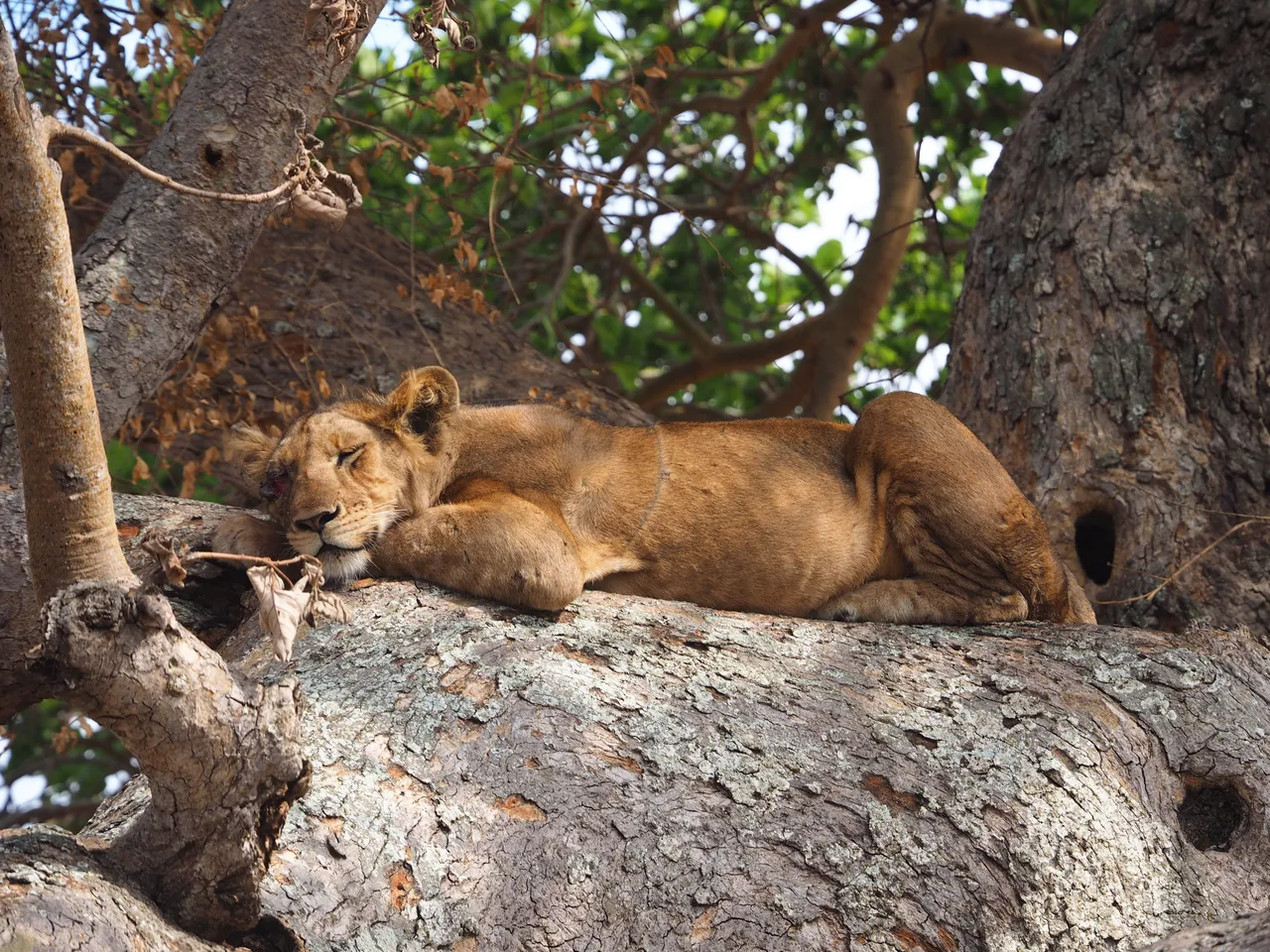
Queen Elizabeth National Park
Uganda's most varied park: a boat trip among hippos, tree-climbing lions in Ishasha and chimps in a gorge.
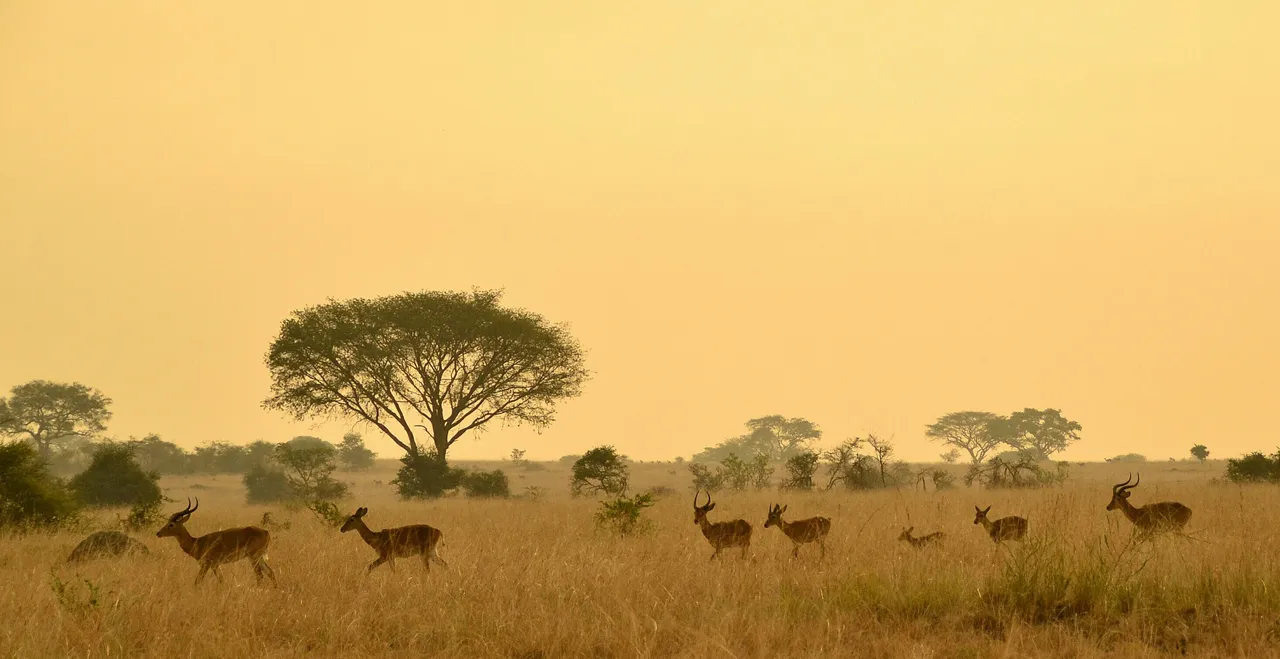
Kibale National Park
The world's best-known place to see wild chimpanzees, with 12 other primate species in the same forest.
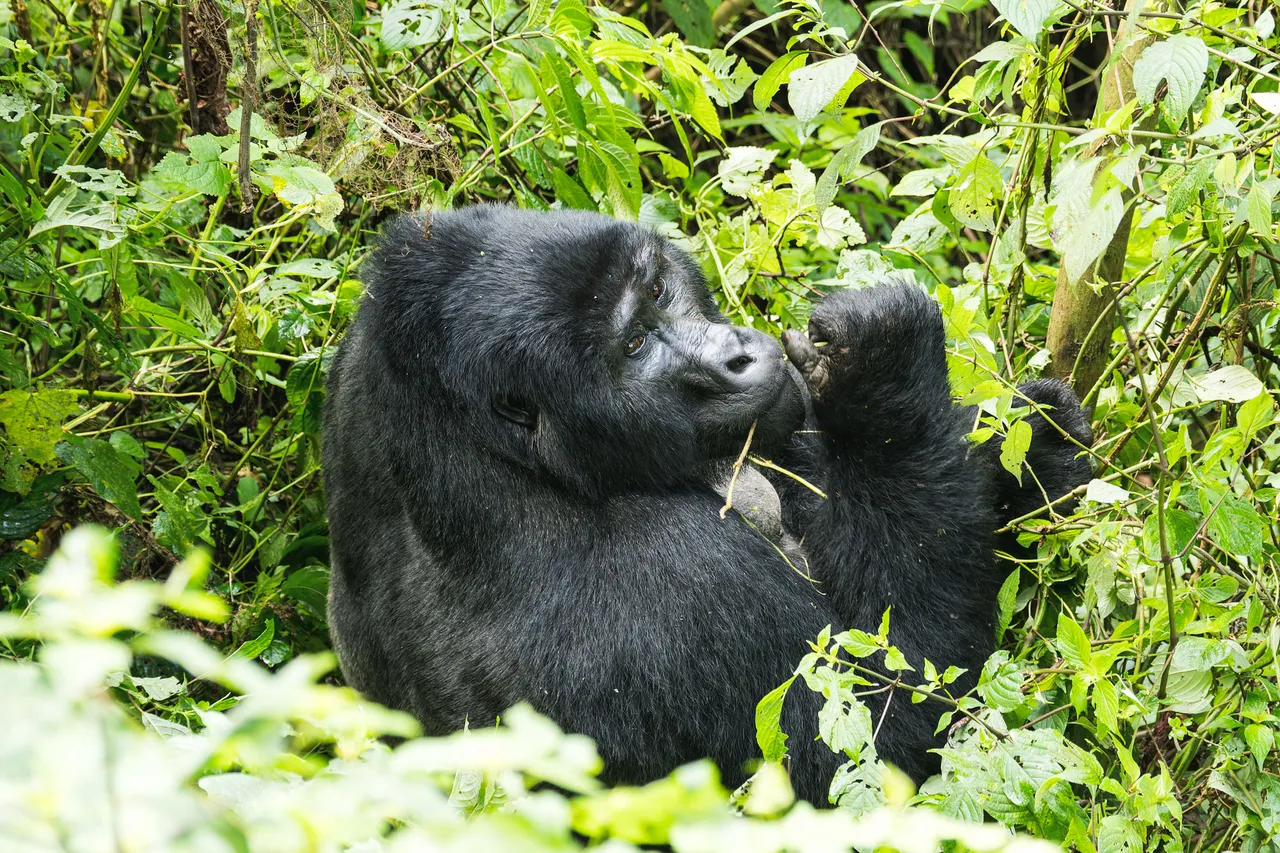
Bwindi Impenetrable National Park
Home to nearly half the world's mountain gorillas, in ancient forest on steep green hills.
Mgahinga Gorilla National Park
Uganda's smallest national park: three volcanoes, golden monkeys and a single gorilla family that sometimes crosses the border.
Last updated 20 September 2026. Fees, permit prices and access rules change; we check them against official sources and operators, but confirm the current figure before you pay. Rift & Reef is not an official park authority.