Is it a good idea?
Yes, for families who plan carefully. Children often notice things adults miss, and seeing wild animals is a memory that many keep. But long drives, early starts and malaria are real considerations, and the right choices make the difference between a trip that works and one that doesn’t.
Choose the right age and lodge
There’s no universal minimum age for safari, but individual lodges and camps set their own. Unfenced camps where animals walk through can restrict young children for safety, and others welcome families with special programmes. Family-friendly lodges typically offer:
- Family rooms or connecting rooms.
- Kid-focused activities such as junior ranger programmes.
- Flexible mealtimes.
- Fenced grounds and pools.
Ask about age limits, and check whether the lodge offers private vehicles, since a private vehicle lets you decide the pace.
Age limits on activities
Gorilla trekking has a minimum age of 15 in Uganda and Rwanda, and the rule is enforced. Chimpanzee tracking at Kibale has a minimum age of 12. Balloon flights often set minimum ages, commonly around 7 to 12. If your children are younger, choose destinations and activities that suit them.
Best parks for families
- Amboseli. Flat, open and full of elephants, with easy driving and a Kilimanjaro backdrop.
- Lake Nakuru. Small, compact and full of rhinos, flamingos and giraffes.
- Nairobi National Park. Close to town, so it’s suitable for a short outing.
- Maasai Mara. Big-cat viewing, with family-friendly camps.
- Lake Manyara and Tarangire. Shorter distances than the Serengeti, with elephants and baobabs.
Health
Malaria is a concern in most safari areas. Speak to a doctor or travel clinic early about prevention for children, including dosage and suitable formulations. Use repellent, nets and long sleeves at dusk. Keep vaccinations up to date, bring a first-aid kit and buy insurance with medical evacuation. See our health guide.
Some families choose destinations that involve lower malaria risk, such as parts of the highlands, but risk varies and you should always check with a doctor.
Making game drives work
- Keep drives short. Two to three hours in the morning and afternoon is enough for most young children.
- Bring snacks, water and activities.
- Give them jobs: a checklist of animals, a pair of binoculars, a notebook for sightings.
- Rest at midday. Pools and shaded verandas are welcome.
- Talk about the rules before you go. Quiet, seated and no feeding animals.
- Travel with a private vehicle if you can.
Add a beach
A beach stay after a safari resets tired children. Kenya’s Diani and Tanzania’s Zanzibar both have family-friendly hotels. See our Kenya and Diani itinerary for one example.
What to pack
Layers, hats, sunscreen, repellent, binoculars, books and games. Lodges usually have laundry. See our packing list.
Tell us about your family
When you send an enquiry, mention the ages of your children, and we’ll suggest suitable lodges and routes. There’s no extra charge for asking.
Frequently asked questions
What age can children go on safari?
There's no universal minimum. Many lodges welcome children of any age, and others set limits, commonly from about 6 to 12 years, especially in unfenced camps. Family-friendly lodges are usually the better choice with young children. Ask each property before you book.
Can kids see the gorillas?
Not under 15. That's the minimum age in Uganda and Rwanda, and it's enforced. Chimpanzee tracking in Kibale has a minimum age of 12.
Is malaria a risk for children?
Yes, and it's more serious in young children, so talk to a doctor early about prevention. Some families choose malaria-free areas, but most safari destinations have some risk. Use repellent, nets and long sleeves at dusk.
Are long game drives too much for kids?
They can be. Break the day into shorter drives, bring snacks and activities and expect to return to camp at midday. Children tend to enjoy the smaller creatures, such as dung beetles and birds, as much as the big cats.
Trips built around this
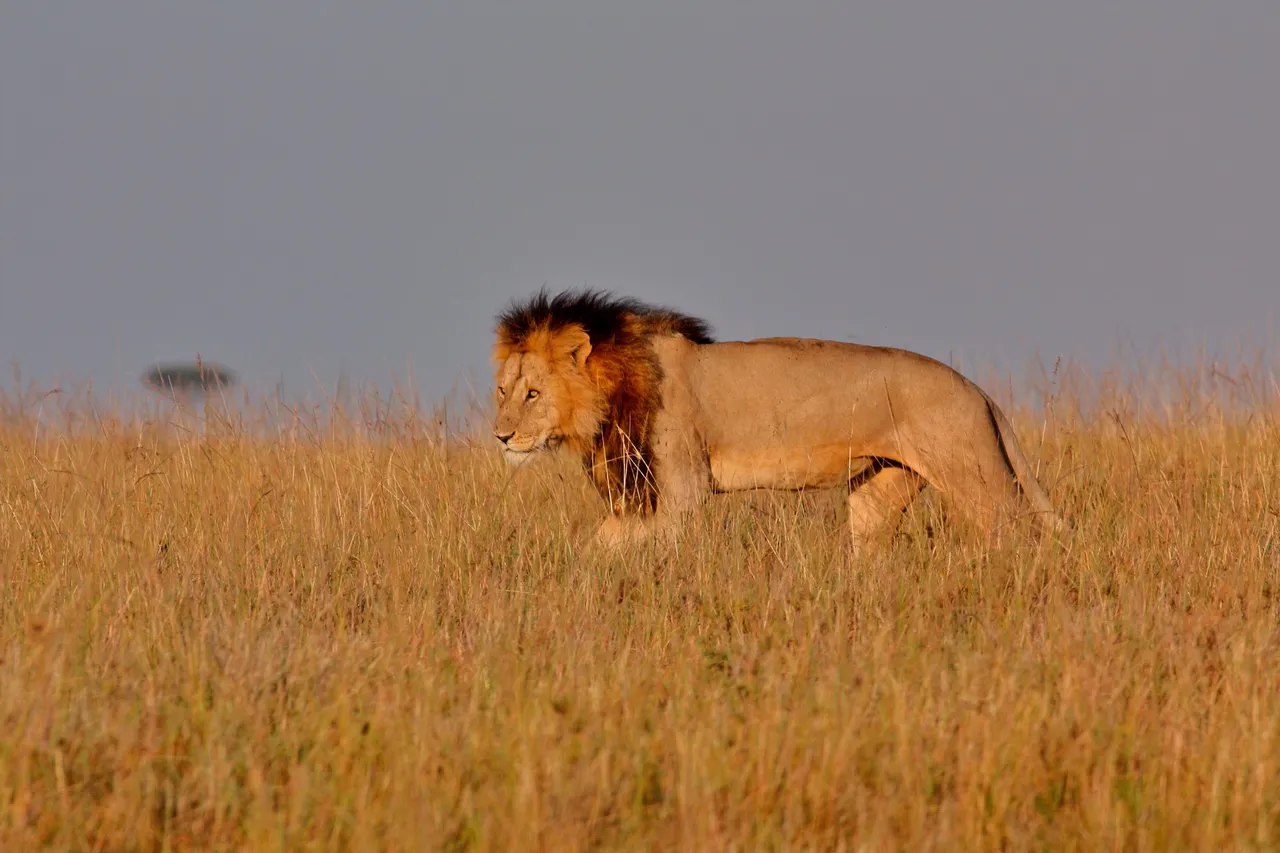
Kenya Classic: Lake Nakuru and Maasai Mara in 7 Days
A seven-day Kenya safari from Nairobi: rhinos and flamingos at Lake Nakuru, then three nights in the Maasai Mara, with a flight back and honest notes on cost.

Kenya Safari and Diani Beach: 9 Days
Three nights in the Maasai Mara, then four on Diani Beach: a nine-day Kenya trip that mixes big game with white sand, with flights linking each stop.
Parks mentioned in this guide
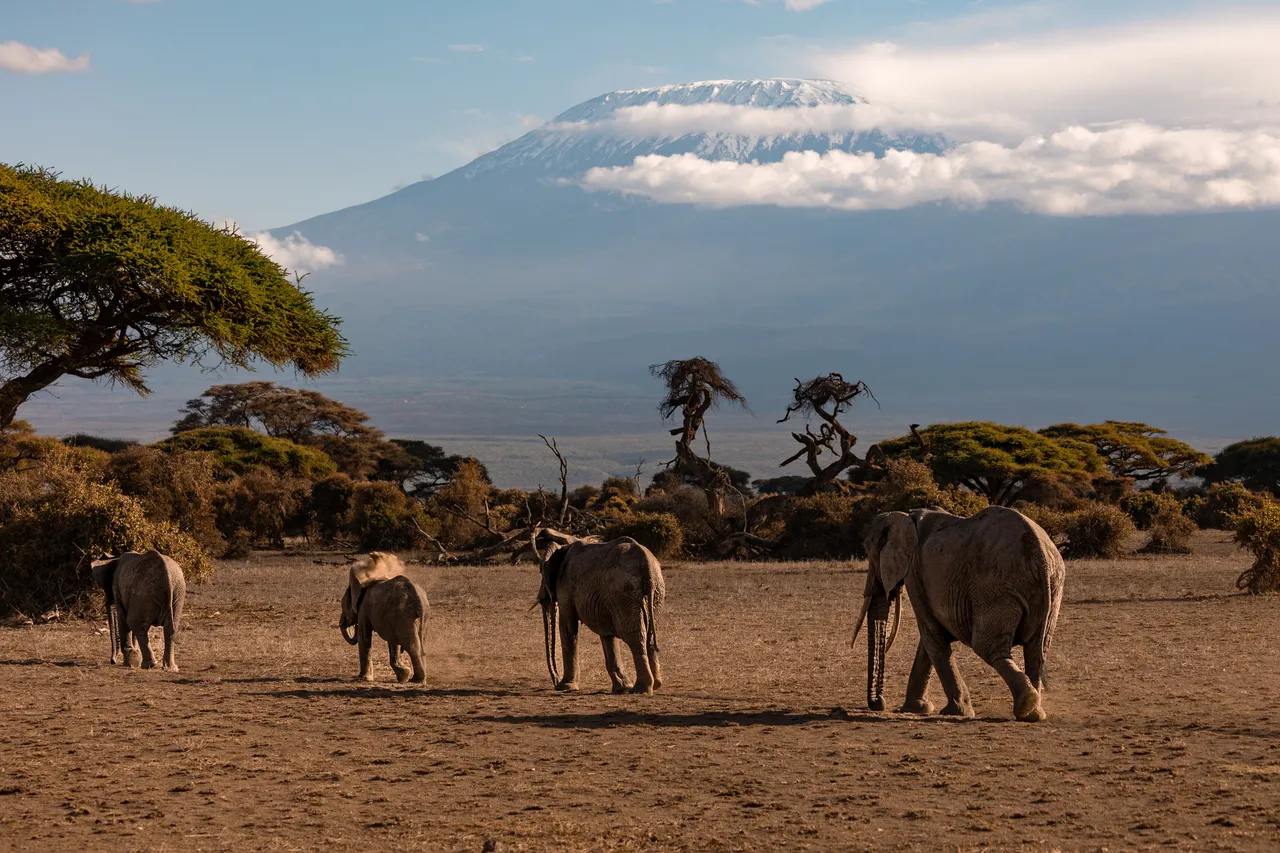
Amboseli National Park
Big-tusked elephants walking toward Kilimanjaro. Come for the picture, stay for the herds.
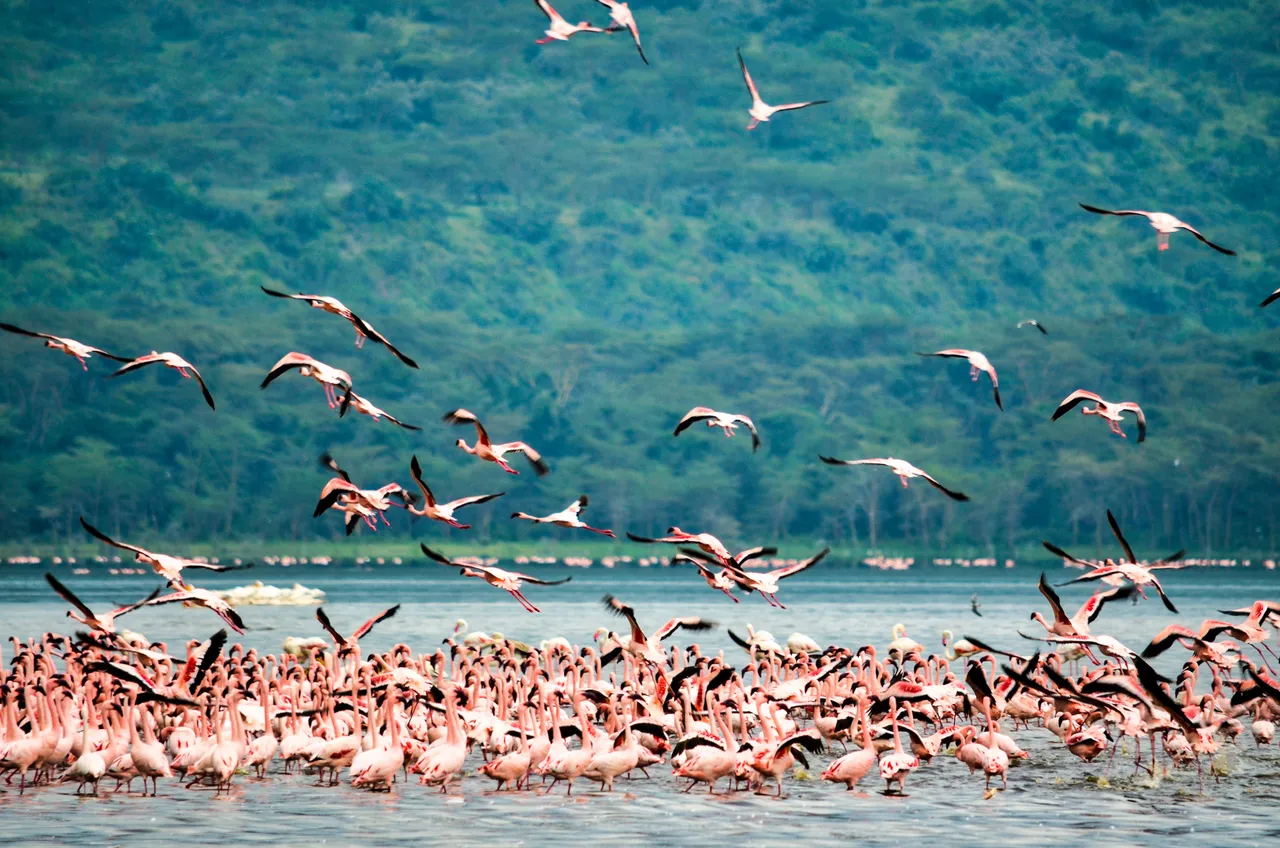
Lake Nakuru National Park
A small, fenced Rift Valley park that's one of Kenya's most reliable places to see both black and white rhino.

Nairobi National Park
Lions and rhinos with the city skyline behind them, just 20 minutes from the centre.
Maasai Mara National Reserve
Kenya's best-known reserve: big cats all year and the Mara River crossings from July to October.

Lake Manyara National Park
A compact park between the Rift Valley escarpment and a soda lake, good for birds, monkeys and the odd lion in a tree.
Keep reading
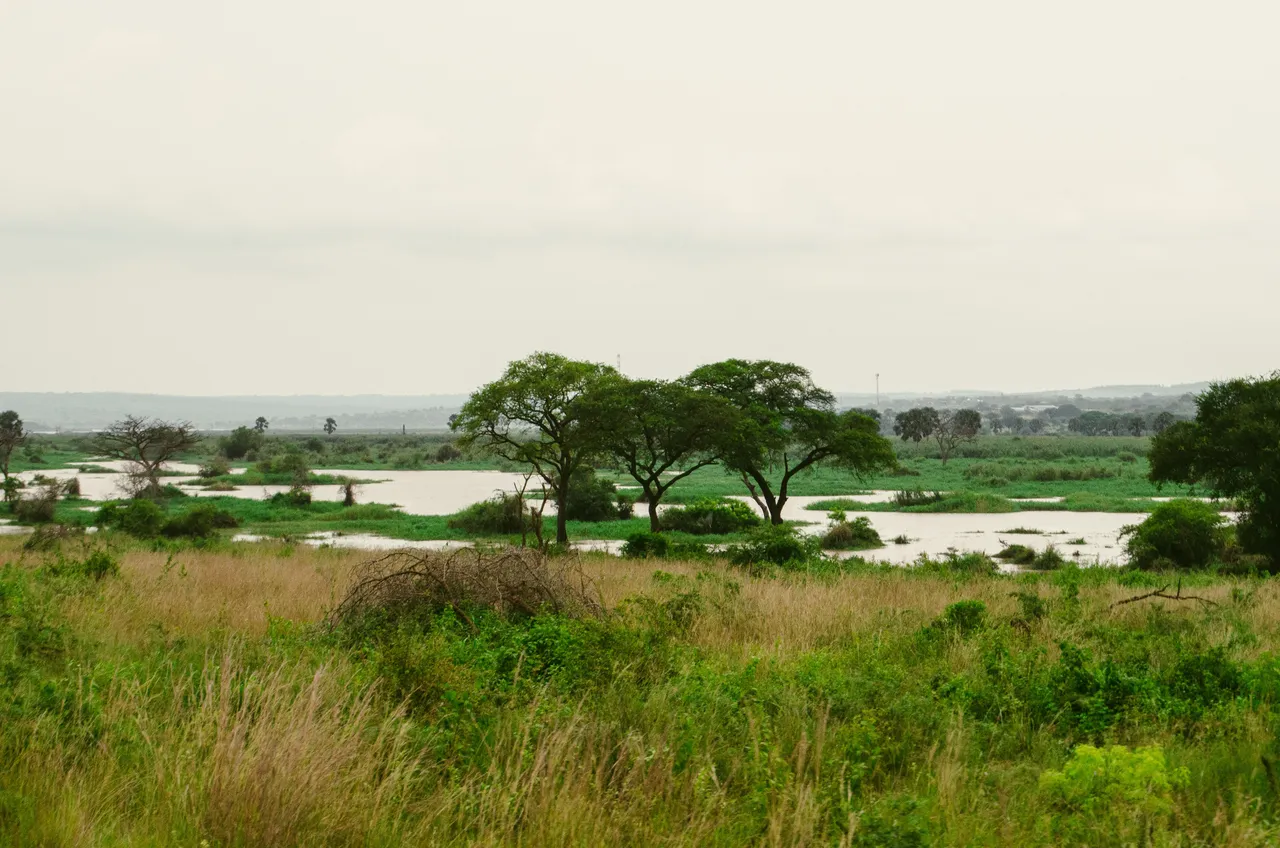
Health for East Africa Travel: Malaria, Vaccines and Staying Well
What to know about malaria, yellow fever, vaccinations, altitude and water before a safari, and why medical evacuation cover matters. Not medical advice.

Your First Safari: What a Typical Day Looks Like and What to Expect
A first-timer's guide to safari: a typical day from dawn drive to sundowner, vehicles, lodge or tented camp, the Big Five, how long to stay and etiquette.
What to Pack for an East Africa Safari: A Practical List
A practical safari packing list: clothing colours, layers, luggage limits for bush flights, gorilla trekking gear, adapters and what to leave at home.
Last updated 20 September 2026. Rules, prices and schedules change. We recheck the facts in this guide regularly, but confirm anything that affects your money or your entry to a country with the official source.